China Top 10 Textile Waste Recycling Suppliers

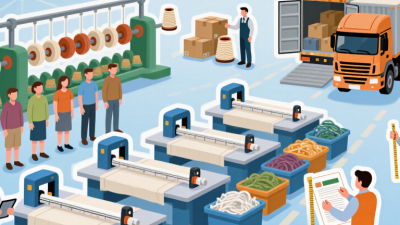
China’s textile waste recycling industry has grown from small sorting workshops into a diverse manufacturing network. Suppliers now process cotton offcuts, polyester yarn waste, worn garments, and mixed-fiber materials. Their outputs include recycled fibers, regenerated yarns, nonwoven fabrics, insulation materials, and cleaning rags.

This guide reviews China’s top 10 textile waste recycling suppliers through practical purchasing criteria. The assessment considers processing technology, material traceability, production capacity, quality control, certifications, export experience, and communication reliability. A capable supplier should explain how waste is collected, sorted, shredded, opened, and transformed into usable products. Factory visits may reveal details that brochures omit, such as dust control, bale storage, and contamination levels.

The ranking is not absolute.

Public information can be incomplete. Supplier performance may also change with equipment upgrades, raw-material availability, and export conditions. Buyers should request recent test reports, sample batches, factory videos, and clear specifications before placing large orders. Questions about fiber length, color consistency, moisture, packaging, and minimum order quantities deserve direct answers.

Reliable partnerships require more than attractive pricing. They depend on stable delivery, documented processes, and realistic claims. Recycled content should be verified rather than accepted only through marketing language. This overview aims to help apparel brands, textile mills, wholesalers, and sustainability teams compare suppliers with greater confidence. It also recognizes an uncomfortable point: recycling is not automatically sustainable when transportation, energy use, or blended fibers create additional burdens. Careful evaluation remains essential.
China Top 10 Textile Waste Recycling Suppliers

Textile Waste Recycling in China: Industry Scope and Supplier Roles

China Top 10 Textile Waste Recycling Suppliers
Textile Waste Recycling in China: Industry Scope and Supplier Roles

China’s textile waste recycling industry supports collection, sorting, fiber processing, and regenerated yarn production. The top ten suppliers should not be judged by capacity alone. Their roles may include factory scrap collection, post-consumer garment sorting, mechanical recycling, and fiber blending. Some also provide color sorting, material testing, and shipment documentation. These services help manufacturers reduce landfill pressure and improve resource efficiency.

Suppliers with clear traceability are easier to evaluate. Buyers should check input sources, moisture control, fiber composition, processing methods, and batch consistency. Experienced facilities often use sampling records and laboratory testing before shipment. However, recycled fibers can vary between batches. No supplier is perfect. This remains a practical limitation, not a marketing detail.

Tips: Request a small trial batch first. Ask for test data and process photos. Compare fiber length, color, strength, and contamination levels. Confirm whether collection and processing occur within the same supply chain. A site visit can reveal details that certificates miss. Buyers should also discuss packaging, delivery timing, worker safety, and wastewater controls. Clear specifications reduce disputes, although they cannot remove every quality risk.

Key Technologies Used by China’s Textile Waste Recycling Suppliers

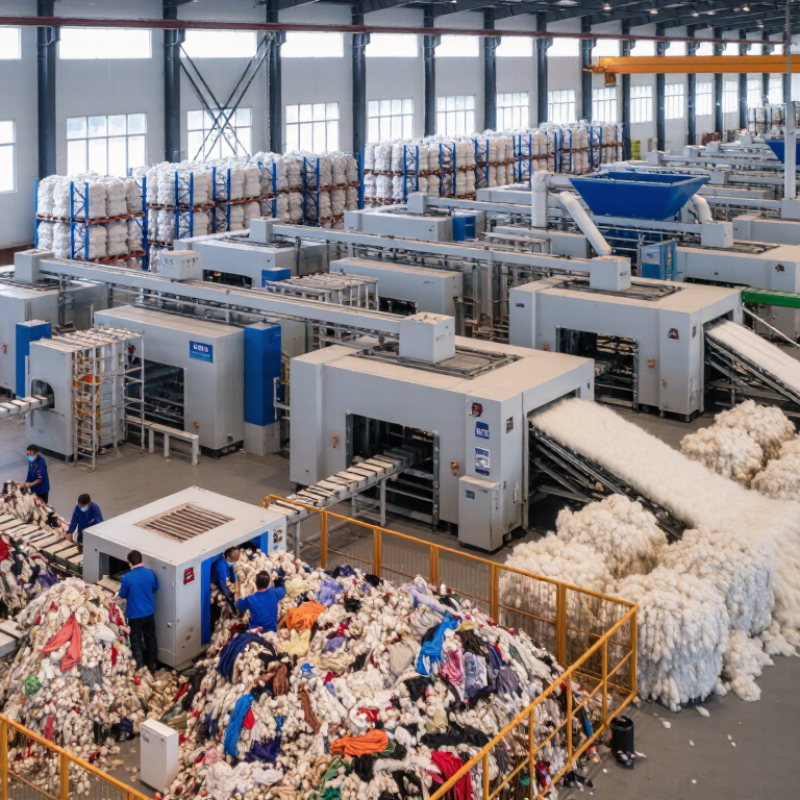
China’s top textile waste recycling suppliers are investing in cleaner, more precise processing systems. Their work often begins with near-infrared sorting, which identifies cotton, polyester, wool, and blended fibers. Optical scanners inspect moving fabric within seconds. Workers then remove zippers, buttons, labels, and heavily stained sections. This simple stage strongly affects the final fiber quality.

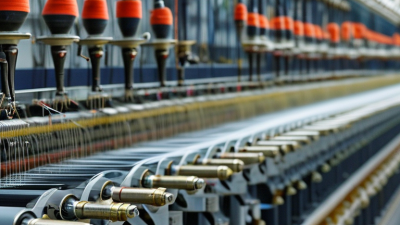
Mechanical recycling remains widely used for cotton and other stable materials. Shredding machines loosen fabric into fibers, while dust filters improve workplace air quality. Advanced lines use controlled opening speeds to reduce fiber breakage. For polyester waste, suppliers may apply melt filtration and pelletizing technology. The process creates recycled feedstock for yarn or molded products. Quality laboratories test strength, color, moisture, and fiber length before shipment.

Chemical recycling is developing for difficult blends, although it requires higher energy, careful solvent recovery, and strict process control. Some facilities use digital tracking to record waste sources, batch numbers, and test results. This improves traceability, but digital records are not automatically accurate. Supplier audits should still verify factory conditions, input materials, maintenance logs, and wastewater treatment. A recycled label alone proves little. Real performance depends on sorting accuracy, stable equipment, trained operators, and honest reporting. Some suppliers still struggle with mixed fibers and inconsistent feedstock. That weakness deserves attention.

Profiles of the Top 10 Textile Waste Recycling Suppliers

China’s leading textile waste recycling suppliers differ by feedstock, machinery, and certification depth. The strongest profiles begin with cotton cutting-room scraps. They sort colors, remove labels, and produce mechanically recycled fibers for yarn spinning. Others specialize in post-consumer clothing, using near-infrared sorting before shredding and opening. This step reduces mixed-fiber contamination, although separation remains imperfect.

Several suppliers focus on polyester waste from garments, bottles, and industrial textiles. Their facilities usually combine washing, flake production, melt filtration, and pelletizing. Chemical recycling specialists handle blended fabrics, but commercial scale and energy use require careful verification. Regional collectors form another supplier group. They aggregate discarded uniforms, household textiles, and factory remnants for larger processors. Their value is practical, yet traceability can weaken after multiple transfers.

The remaining profiles include nonwoven manufacturers, insulation producers, regenerated-yarn mills, textile-to-textile innovators, and sorting-equipment partners. Each serves a different material pathway. The Ellen MacArthur Foundation reports that less than 1% of clothing is recycled into new clothing fibers. UNEP estimates that the world generates about 92 million tonnes of textile waste annually. These figures explain the market’s urgency. Supplier assessments should examine recovery yield, wastewater controls, fiber-length testing, and documented chain of custody. ISO-based management systems help, but certificates alone do not prove real recycling performance. Public disclosures also vary sharply. Some suppliers publish audited output data; others provide only impressive capacity figures. That gap deserves scrutiny. Procurement teams should request sample test reports, contamination rates, energy records, and evidence from recent production batches.

Materials, Products, and Processing Capabilities Compared

China’s top textile waste recycling suppliers differ sharply in feedstock, output, and processing depth. Textile Exchange’s Materials Market Report 2024 estimates global fiber production reached 124 million tonnes in 2023. It may rise to 160 million tonnes by 2030. This pressure makes material selection more important than a simple supplier ranking.

Mechanical recyclers usually handle cotton cutting waste, denim scraps, and blended factory offcuts. Their outputs include recycled yarn, nonwoven felt, wiping cloth, and filling fiber.

Chemical processors can treat selected polyester or cellulose waste, producing more consistent regenerated feedstock. However, mixed fibers, dyes, elastane, and coatings still reduce recovery efficiency.

The United Nations Environment Programme has reported that the world generates about 92 million tonnes of textile waste each year. The scale is enormous.

Processing capability must be checked on the factory floor. Look for sorting lines, shredders, carding units, melt filtration, spinning equipment, and wastewater controls.

Ask for batch records, recycled-content testing, and chain-of-custody documents.

A supplier making 1,000-denier recycled yarn is not equivalent to one producing fine apparel yarn. Moisture, color variation, and short fibers can affect weaving performance. Some published capacity figures also appear optimistic. They need independent verification.

A careful comparison should therefore examine material input, annual output, minimum order quantity, testing practice, and the percentage of processing completed in-house.

How to Evaluate and Select a Suitable Recycling Supplier

When comparing China’s top ten textile waste recycling suppliers, do not rely on rankings alone. A suitable partner should explain its full process, from sorting and shredding to fiber output. Ask whether the facility handles cotton, polyester, blended fabrics, or post-industrial scraps. Request recent test reports for composition, moisture, color, and fiber length. A clean warehouse, labeled bales, and calibrated scales offer useful evidence. However, one site visit cannot prove long-term consistency.

Tips: Send a small, representative sample before signing a large contract. Define acceptance limits for contamination, moisture, and fiber quality. Check monthly capacity against your seasonal demand, not only the advertised maximum. Ask for batch records, corrective-action procedures, and traceable shipment documents. Speak with two recent customers if possible. Vague answers deserve a second review.

Price matters, but the lowest quote may hide sorting losses, unstable output, or extra transport. Compare total cost per usable kilogram. Clarify lead times, inspection points, packaging, payment terms, and responses to rejected batches. Technical staff should explain limitations in plain language. They should also admit when a blend is difficult to recycle. I would keep a trial order and score delivery, quality, communication, and documentation. This method is slower. It is often safer.