How to Choose the Best Weaving Looms for Your Projects?
Choosing the right weaving looms can significantly impact your crafting experience. With numerous types available, it can be overwhelming. Each loom serves different needs and projects. Understanding their unique features is crucial.
When selecting weaving looms, consider your skill level and project goals. Beginners may prefer simple, user-friendly options. More advanced weavers might seek out more complex looms for intricate designs. It’s essential to balance your aspirations with the loom's capabilities.
Also, think about the materials you’ll be using. Some looms work better with specific fibers. This choice can make a noticeable difference in the final product. Don’t rush the decision; take time to reflect on your needs and how specific weaving looms align with them. Trust your instincts as you explore your options.
Factors to Consider When Choosing a Weaving Loom
Choosing the right weaving loom can significantly impact your project’s outcome. One key factor is the type of loom.
Rigid heddle looms are great for beginners and versatile enough for various projects.
According to the American Craft Council, beginners make up approximately 40% of loom users. This suggests a strong demand for accessible looms.
Another important consideration is the loom size. A larger loom can accommodate bigger projects but may take up more space.
In contrast, smaller looms are easier to store. A report by the Textile Society indicates that loom size preferences vary greatly among crafters, emphasizing the importance of individual project needs.
Lastly, consider the materials used in the loom. Quality wood or metal tends to offer better stability and durability.
Some novice weavers might overlook this detail, leading to frustrations during use. Carefully evaluating these aspects can help enhance your weaving experience.
It's crucial to think about your personal preferences and project requirements when making a choice.
Types of Weaving Looms and Their Uses
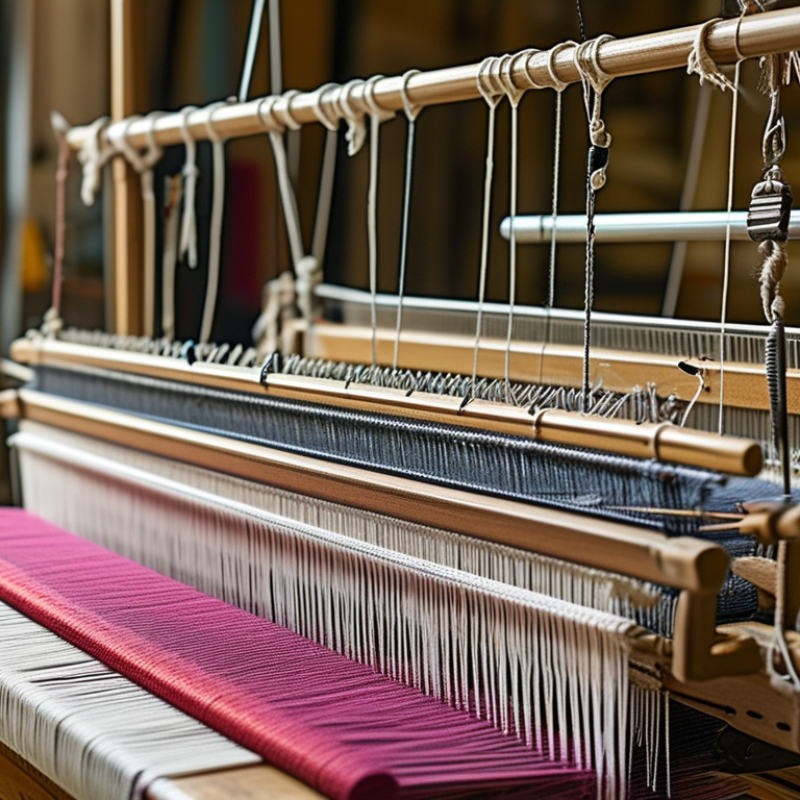
When choosing a weaving loom, understanding the different types is crucial. There are primarily four categories: frame looms, rigid heddle looms, floor looms, and inkle looms. Each serves distinct projects and experience levels.
Frame looms are ideal for beginners. They are simple and portable, allowing flexibility in projects. Rigid heddle looms suit those ready to upgrade. They introduce more complex patterns while remaining manageable. Floor looms are best for advanced weavers. Their larger size supports intricate designs and complex weaves. Inkle looms focus on narrow weaving, perfect for belts and straps.
Tips: Consider your specific projects. If you are starting small, a frame loom will be forgiving. Reflect on your space too; a floor loom requires more room. Match the loom to your crafting pace, ensuring you maintain joy in creation. Careful consideration prevents frustration. You might find yourself wishing you had chosen a different type as you progress. Always remain open to experimenting with various looms. This exploration will enhance your skillset and satisfaction.
How to Choose the Best Weaving Looms for Your Projects?
| Type of Loom |
Best For |
Usage Level |
Material |
| Hand Loom |
Beginners and small projects |
Easy |
Wood or Plastic |
| Rigid Heddle Loom |
Versatile woven fabrics |
Intermediate |
Wood |
| Floor Loom |
Large projects and patterns |
Advanced |
Wood |
| Table Loom |
Space-saving weaving |
Intermediate |
Wood or Metal |
| Sample Loom |
Testing yarn and patterns |
Beginner |
Plastic |
Assessing Loom Size and Portability for Your Projects
When choosing a weaving loom, size and portability are crucial. A larger loom may offer more weaving space but can be cumbersome. Consider the projects you plan to create. For detailed designs and larger items, a bigger loom might be necessary. However, if you want mobility, a smaller, compact loom is often better.
Portability is essential for those who travel or attend workshops. Look for lightweight options with easy assembly. Some looms fit into bags for easy transport. This is great for crafting on the go. Yet, a smaller loom often limits the size of projects. It’s about finding the right balance.
Consider your workspace too. A large loom requires more room. If space is limited, opt for a foldable model. Reflect on your priorities: space and ease of movement versus working on larger projects. Each has benefits and downsides. Take your time to think about your needs. Your loom choice will impact your weaving experience.
Assessing Loom Size and Portability for Your Projects
Material and Build Quality of Weaving Looms
When selecting a weaving loom, the material and build quality are crucial. Different looms are made from
wood, metal, or plastic. Each material affects durability and performance.
Wooden looms often offer a traditional feel. They can be more aesthetic and stable. However, they may warp over time.
Metal looms tend to be stronger and more resistant to wear.
Plastic looms are lightweight and portable. Yet, they may lack the stability needed for intricate projects.
Consider the construction quality of the loom as well. Look for solid joints and smooth finishes. A well-built loom will ensure consistent tension. That directly
influences your weaving results. Pay attention to how easy it is to set up. Complicated setups can deter you from completing projects.
Tips: Check user reviews to gauge long-term performance. Highlight common issues like looms that break or have uneven parts.
A loom that requires frequent adjustments may frustrate you. Ensure it matches your weaving style. Choose a loom that inspires confidence. It should feel sturdy in your hands.
Comfort leads to better creativity.
Budgeting for Your Weaving Loom Purchase and Accessories
Budgeting for your weaving loom and accessories is crucial to enjoy your crafting experience fully. The initial cost of a loom can vary greatly, so knowing your price range is essential. Consider not only the loom itself but also the accessories you will need, such as shuttles, reeds, and yarn. Each item adds to the overall expense. Identify which items are essential for your projects and prioritize them in your budget.
Tips: Research different loom types to find what fits your budget best. Check online marketplaces and local shops for deals. Second-hand options can be a great way to save. Don't overlook the cost of quality yarn, as cheaper options may lead to unsatisfactory results.
While budgeting, remember that investing in tools can enhance your crafting experience. However, it’s easy to get carried away and overspend. Keep track of your purchases and reflect on what you truly need. Are there tools you can borrow instead? Establish a list of priorities, and stick to it as you shop. Being mindful of your choices can lead to better financial decisions while still enjoying your weaving projects.