Why Choose a Carbon Fiber Weaving Machine?

Why Choose a Carbon Fiber Weaving Machine?

Carbon fiber is strong, light, and remarkably consistent when processed correctly. Yet performance begins before resin enters the picture. The weaving stage controls yarn alignment, fabric density, surface coverage, and handling stability. A carbon fiber weaving machine helps manufacturers produce repeatable structures from delicate, high-value filaments. That consistency matters in aerospace panels, electric vehicle parts, wind turbine components, and sporting equipment.

Professor Stephen W. Tsai, a widely cited composites authority, explains the core idea: “A composite is designed, not simply manufactured.” His statement reflects a practical truth. The machine does more than interlace yarns. It shapes the reinforcement architecture that later influences stiffness, strength, drape, and resin flow. A well-adjusted loom can maintain steady tension while thousands of carbon filaments pass through heddles and guides. Small deviations can create wrinkles, gaps, or broken strands.

Precision matters.

Choosing this equipment also involves uncomfortable questions. Is the production volume high enough? Can operators control tension and maintenance? Will the machine support the required fabric width and weave pattern? A cheaper model may look attractive, but unstable settings can increase waste beside the factory floor. No machine removes every defect. Human inspection remains essential. Still, a suitable carbon fiber weaving machine can reduce variation, improve repeatability, and support documented quality control. The best choice depends on verified production data, material requirements, operator experience, and long-term service support—not impressive specifications alone.
Why Choose a Carbon Fiber Weaving Machine?

What Is a Carbon Fiber Weaving Machine?

A carbon fiber weaving machine is industrial equipment that interlaces carbon fiber yarns into stable textile structures. It controls warp and weft yarns with programmed tension, speed, and spacing. Unlike ordinary textile looms, it must handle brittle, low-friction fibers without damaging their filaments.

The machine may produce plain, twill, unidirectional, or multiaxial fabrics. Each pattern changes drape, resin flow, and load distribution.

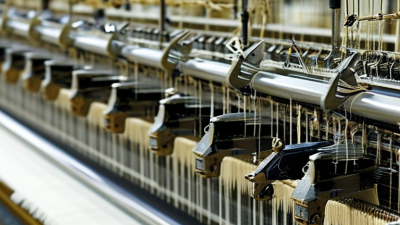
A typical production line includes yarn creels, tensioners, heddles, a weaving zone, and fabric take-up rollers. Operators monitor broken filaments, uneven edges, and surface fuzz. Small defects matter.

According to the MarketsandMarkets Carbon Fiber Market report, the sector is projected to grow from about 4.3 billion US dollars in 2024 to 6.6 billion by 2029. This growth increases demand for consistent intermediate textiles in aerospace, wind energy, pressure vessels, and automotive structures.

The International Energy Agency reported that global electric car sales exceeded 14 million in 2023, strengthening interest in lightweight composite components. Still, a weaving machine is not automatically the best choice. Poor tension calibration can create hidden weak zones. Even experienced technicians must review yarn compatibility, fabric width, production speed, and maintenance access before selecting equipment.

How Does Carbon Fiber Weaving Technology Work?

Why Choose a Carbon Fiber Weaving Machine? How Does Carbon Fiber Weaving Technology Work?

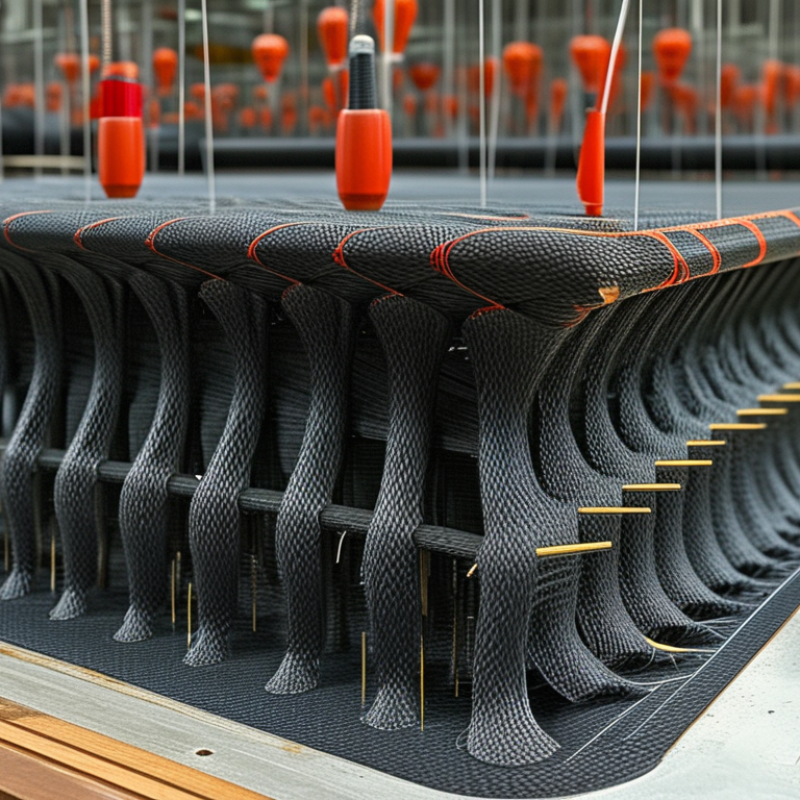
Carbon fiber weaving begins with thousands of continuous filaments arranged on creels. The machine guides warp yarns lengthwise, while weft yarns pass across them. A shedding system opens a precise gap between warp layers. Then, a rapier, shuttle, or air-jet device inserts the weft. The reed pushes each yarn into position. This creates stable two-dimensional fabrics, including plain, twill, and multiaxial structures. Some advanced machines also build three-dimensional preforms. These shapes can improve thickness control and reduce cutting waste.

The process depends heavily on tension control. Carbon fibers are strong, but they can be brittle during repeated bending. Uneven tension may cause broken filaments, loose edges, or visible gaps. Modern machines use sensors and software to monitor yarn force, speed, and alignment. The U.S. Department of Energy reports that a 10% vehicle weight reduction can improve fuel economy by 6–8%. The 2024 International Energy Agency Global EV Outlook recorded over 14 million electric-car sales in 2023. These figures help explain the growing demand for lightweight composite reinforcement. Still, higher output does not automatically mean better fabric. I have seen small setup errors become expensive defects.

Tips: Check bobbin alignment before production. Keep tension records for every batch. Inspect selvages under bright, angled light. Test a small sample first. A slower trial often prevents larger material losses. Review the pattern after curing, not only after weaving. That step is easy to miss.

Why Choose a Carbon Fiber Weaving Machine? - How Does Carbon Fiber Weaving Technology Work?

Data Dimension Typical Data or Technical Fact How It Relates to Carbon Fiber Weaving
Fiber Type Continuous carbon fiber tow Continuous filaments are arranged as warp and weft yarns to form a stable two-dimensional fabric structure.
Common Tow Sizes 1K, 3K, 6K, 12K, and 24K The “K” indicates approximately one thousand carbon filaments. Smaller tows generally support finer surfaces, while larger tows can increase productivity and fabric thickness.
Typical Weave Structures Plain, twill, and satin Plain weave offers high dimensional stability; twill improves drape; satin provides better drapability but usually has longer yarn floats.
Plain Weave Repeat 1 × 1 interlacement Each warp yarn alternates over and under each weft yarn, producing a balanced and stable fabric.
Twill Weave Repeat Commonly 2 × 2 or 3 × 1 The diagonal pattern improves formability and is frequently selected for shaped composite parts and visible surface applications.
Areal Weight Commonly about 90–600 g/m², depending on tow size and construction A weaving machine controls yarn density and interlacement to produce the required reinforcement weight for a composite design.
Fabric Width Specified according to the machine configuration and product design Controlled-width production reduces cutting waste and helps maintain consistent coverage across panels or components.
Warp Direction Lengthwise direction of the fabric Warp yarns are prepared on a beam and must be tension-controlled during weaving to reduce breaks and maintain uniformity.
Weft Direction Crosswise direction of the fabric The weft insertion system places carbon yarns across the warp at a programmed spacing to establish fabric density.
Basic Weaving Sequence Shedding → weft insertion → beat-up → take-up The machine separates warp layers, inserts the weft, compresses the yarns into position, and winds the finished fabric continuously.
Tension Control Low, stable, and synchronized yarn tension is required Carbon filaments are strong but relatively brittle and can suffer surface damage from excessive friction, tension variation, or sharp contact points.
Filament Count Approximately 1,000–24,000 filaments per tow for common tow sizes Filament count affects tow thickness, handling behavior, surface appearance, fabric weight, and the number of yarns needed for a target construction.
Carbon Fiber Density Approximately 1.75–1.95 g/cm³ for many commercial carbon fibers The low density of carbon fiber helps produce lightweight reinforcement compared with many metallic materials.
Specific Strength High strength-to-weight performance Woven carbon fabric is selected when weight reduction and directional mechanical reinforcement are important design objectives.
Dimensional Stability Higher in balanced woven constructions than in unidirectional fabrics Interlaced warp and weft yarns make the reinforcement easier to handle, cut, position, and process before resin infusion or lamination.
Drapability Varies with weave type, tow size, yarn density, and fabric weight Machine settings can be selected to balance conformability to curved surfaces with the dimensional stability required during composite lay-up.
Resin Compatibility Commonly used with epoxy, vinyl ester, and other composite resin systems The woven structure provides pathways for resin impregnation, while final compatibility depends on sizing, resin chemistry, and processing conditions.
Typical Composite Applications Aerospace structures, automotive parts, sporting goods, wind-energy components, and industrial equipment Woven carbon reinforcement is useful where low mass, stiffness, surface quality, and repeatable fabric handling are required.
Production Benefits Repeatable construction, programmable density, continuous production, and reduced manual handling A dedicated weaving machine improves consistency in yarn spacing, fabric width, weave pattern, and roll-to-roll production.
Quality-Control Indicators Fabric width, areal weight, yarn density, weave pattern, edge quality, broken filaments, and surface defects Monitoring these parameters helps maintain stable reinforcement performance and reduces variation between production batches.

Note: Actual values depend on carbon-fiber grade, tow size, weave pattern, fabric construction, machine design, and processing conditions.

What Benefits Does the Machine Offer?

Why Choose a Carbon Fiber Weaving Machine?

A carbon fiber weaving machine can produce consistent fabrics for demanding composite applications. Its main benefit is control: stable tension, accurate patterns, and repeatable production across long runs. In practical workshop use, this consistency reduces loose strands, uneven edges, and avoidable material waste. The machine can also handle complex weave designs, helping engineers balance strength, weight, and drape. That matters.

Manual weaving still has value for prototypes, but it becomes slower and less predictable at higher volumes. Automation improves output, although setup errors can repeat quickly if operators skip inspections. A reliable process needs trained staff, calibrated tension systems, and documented quality checks. It is not a magic solution.

One limitation deserves attention: advanced equipment requires investment and careful upkeep. That trade-off is easy to underestimate.

Tips: Match the machine to the fiber type, fabric width, and target weave before purchasing. Test one batch. Check yarn tension, edge quality, and break frequency during the trial. Keep spare guides available. Do not judge performance from speed alone. Energy use, maintenance time, and operator training can change the real return. Experienced operators should review production data regularly and adjust settings carefully, because small tension changes may affect the final fabric’s strength and surface quality.

Which Industries Use Carbon Fiber Woven Materials?

Carbon fiber woven materials serve industries where low weight, stiffness, and fatigue resistance matter.

Aerospace manufacturers use woven fabrics in wing structures, interior panels, and composite repair systems. Automotive engineers apply them to body panels, battery enclosures, and suspension components. Marine builders also use them around hulls, masts, and high-load joints.

Wind energy is another important user.

The International Energy Agency’s Renewables 2024 report records about 117 gigawatts of new wind capacity installed worldwide in 2023. Carbon fiber can reduce blade weight and improve stiffness, especially in longer blades. However, not every blade contains carbon fiber. Cost, manufacturing speed, and recyclability still influence material selection. The boundary is less tidy than marketing suggests.

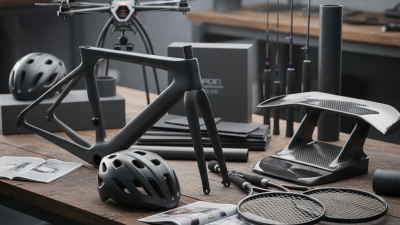
Sports equipment uses woven carbon fiber in bicycles, rackets, helmets, and rowing shells. Civil engineering applies it for strengthening beams, columns, and bridges.

A weaving machine helps control fiber direction, fabric thickness, and surface consistency. Those details affect resin flow and final structural performance.

In practical production, operators still inspect tension, edge alignment, and broken filaments by hand. Small defects matter.

Industry reports often forecast continued growth in carbon fiber demand, but projections are not guarantees. Energy prices, recycling rules, and supply limitations can change purchasing decisions quickly. A capable weaving system should therefore support several fabric patterns, stable quality, and reasonable material waste.

How Should Buyers Evaluate Machine Performance?

Why Choose a Carbon Fiber Weaving Machine?

How Should Buyers Evaluate Machine Performance?

A carbon fiber weaving machine should be judged by usable output, not brochure speed. Start with fabric width, pick density, yarn count, and production stability. A machine running at 300 picks per minute may still waste material through frequent stops. That matters.

Textile Exchange’s Materials Market Report 2024 recorded global fiber production at 124 million tonnes in 2023. Synthetic fibers represented about 67% of that volume, showing the scale of industrial textile demand. Carbon fiber uses smaller volumes, but its higher value makes process control more important. Buyers should measure uptime, tension variation, yarn breakage, and finished-fabric defects during a continuous trial.

Look closely at the tension system. Uneven tension can create loose picks, distorted edges, or resin-rich areas during later composite processing. Check alignment with inspection cameras or manual sampling. Record defect rates per roll, not only per shift. The machine should also provide repeatable settings for different tow sizes and weave patterns. A useful acceptance test includes eight to twenty-four hours of production, with documented stops and restart quality.

Energy use deserves attention. The International Energy Agency reports that industry remains a major global energy consumer, so inefficient equipment can increase operating costs and emissions. Ask for power consumption per kilogram of fabric, not just installed motor capacity. Maintenance access is equally practical. If operators must remove guards for routine cleaning, downtime will grow. I would still question any promised productivity figure without independent trial data. Real factories are less perfect than demonstrations.