How to Source Quality Textile and Weaving Products Globally?
In today's global market, sourcing quality textile and weaving products is a vital challenge. Experts in the industry emphasize the importance of quality. “Quality starts with the source,” says Dr. Emily Chen, a renowned textile scientist with over 15 years of experience in textile innovation.
Navigating through various suppliers worldwide can be overwhelming. The textile and weaving industry often faces issues with consistency and reliability. Finding trustworthy suppliers is crucial. Establishing clear standards for quality helps in this process.
While challenges in sourcing are common, recognizing them can lead to better decisions. It's essential to conduct thorough research and maintain strong relationships with suppliers. Quality assurance should be the cornerstone of your sourcing strategy. Investing time in understanding the market dynamics can yield positive results.
Identifying Global Markets for Textile and Weaving Products
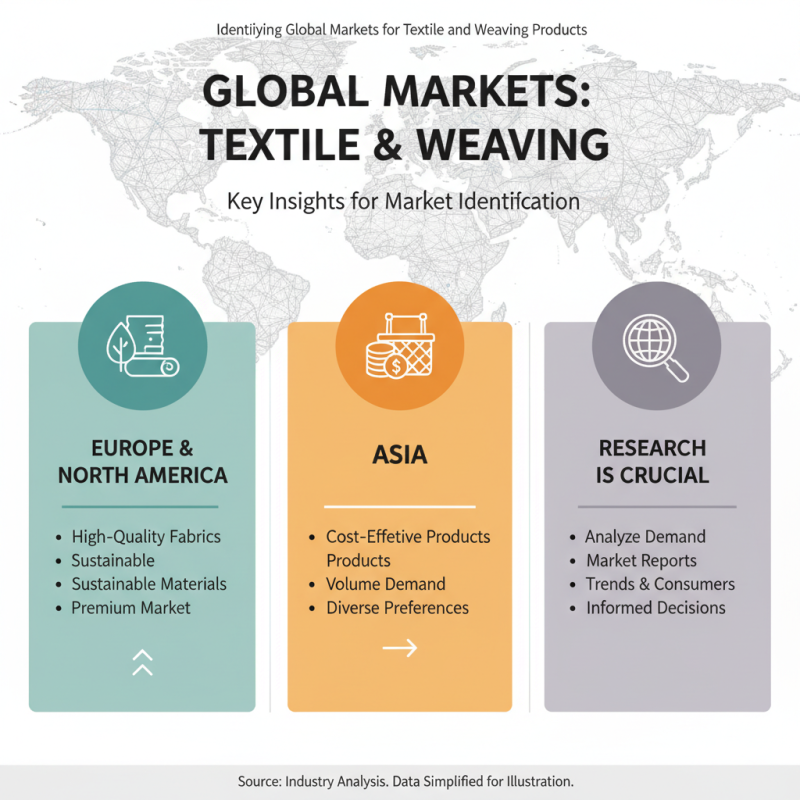
Identifying global markets for textile and weaving products requires thorough research. Start by analyzing demand in various regions. Europe and North America often seek high-quality, sustainable fabrics. In contrast, Asia may show interest in cost-effective products. Market reports can provide valuable insights into trends and consumer preferences.
Networking plays a crucial role. Attend international trade fairs and exhibitions. Such events allow you to meet potential suppliers and customers. Make connections with local distributors who understand regional dynamics. Their knowledge can guide your sourcing strategies effectively. However, be prepared for challenges; not all contacts will yield positive results.
Online platforms can also be helpful. Many businesses now utilize digital marketplaces to showcase their goods. Browse these sites to understand pricing and quality standards across different regions. Yet, be cautious of misleading information. Verify suppliers through reviews and recommendations to ensure trustworthiness. This creates a more reliable sourcing strategy in a competitive global market.
Evaluating Quality Standards in Textile Production
Evaluating quality standards in textile production requires a detailed understanding of global benchmarks. According to the Textile Exchange's 2021 report, approximately 67% of textile stakeholders view sustainability as a crucial quality factor. Sustainable practices often correlate with superior product quality, affecting both consumer perception and brand loyalty. For example, organic cotton grown without harmful pesticides tends to have a lower environmental impact, yet offers durability and softness.
It is vital to assess different quality metrics. The International Organization for Standardization (ISO) provides guidelines for textile testing. ISO 1833 outlines methods for fiber composition analysis. Many manufacturers still struggle with compliance. A staggering 40% of textiles fail to meet these standards due to factors like subpar raw materials or inefficient production processes. This raises concerns about the reliability of supply chains.
A focus on traceability can enhance quality assurance. According to a McKinsey report, transparency in sourcing reduces defects by up to 30%. Yet, many suppliers lack adequate tracking systems. This gap creates critical vulnerabilities. Industry players must confront these challenges head-on to maintain standards. Quality is dynamic and requires constant evaluation and adaptation.
Developing Relationships with Reliable Suppliers
Building relationships with reliable suppliers is crucial for sourcing quality textile and weaving products. Start by researching potential suppliers. Look for those who specialize in your desired materials. Check their reputation online and read reviews. It's essential to verify their credentials to ensure credibility. Engaging with industry forums can also provide insights into suppliers’ reliability.
After identifying potential partners, initiate contact. Be clear about your needs and expectations. A personal touch in communication can make a significant difference. Consider visiting factories if possible. This step allows for first-hand insights into their operations. It also provides an opportunity to discuss quality control measures directly with the supplier.
Maintain regular communication throughout your partnership. Address any concerns promptly. Transparency in collaboration builds trust over time. Don’t hesitate to ask for samples before placing larger orders. This practice helps in evaluating product quality and consistency. Sometimes, challenges arise, like delays or quality issues. These situations require open dialogue for effective resolution. Taking these steps can strengthen supplier relationships, fostering mutual growth.
Using Technology for Efficient Sourcing and Communication
In today’s textile sourcing landscape, technology plays a crucial role. Efficient communication tools like
messaging apps and video calls
facilitate immediate interactions. These platforms help build relationships with suppliers worldwide. Using
project management software can streamline workflows, ensuring that
deadlines are met and quality standards maintained.
When sourcing textile and weaving products, tech can offer valuable data insights. Analytics tools
help track trends and identify reliable suppliers. Still, it’s essential to remain cautious. Not all online
information is accurate. Verify supplier credentials
through reviews and referrals.
However, navigating technology isn’t always straightforward. Users may encounter challenges
with software usability or communication barriers. Time zone differences
can complicate meetings. It's vital to assess if a tool fits your specific needs.
Reflecting on these experiences can lead to better strategies in future
sourcing efforts.
Navigating Trade Regulations and Logistics for Global Sourcing
Navigating trade regulations and logistics is crucial for global sourcing of textile and weaving products. The global textile market is expected to reach $1 trillion by 2025, according to industry reports. Importers must understand various trade laws and tariffs that can affect costs significantly. For instance, countries may impose tariffs that can be as high as 30% on certain textile imports. This adds complexity to pricing and distribution strategies, making a deep understanding of these regulations essential.
Logistics is another significant challenge. Shipping costs have surged, with container freight rates rising by over 300% in recent years due to disruptions and demand fluctuations. Efficient logistics management is necessary to keep costs in check. Companies need to consider lead times and transportation routes carefully. Delays in shipping can result in lost sales opportunities and strained supplier relationships.
Additionally, export and import documentation can be tedious. Mistakes can lead to penalties or delays in shipments. This places an emphasis on having knowledgeable staff or consultants who can navigate these regulations effectively. While technology can streamline some processes, human oversight remains crucial to ensure compliance and efficiency in global sourcing operations.