
Where Can I Find Top Fabric Suppliers in China?
Finding a reliable fabric supplier in China takes more than comparing prices on a product page. Buyers need to check fabric composition, weight, color consistency, minimum order quantities, lead times, and sample quality. A cotton twill that looks even on a screen may feel stiff in hand; a dyed sample may also differ from a later production batch. These details matter when planning garments, upholstery, or other textile products.
For readers searching “i need fabric,” this guide explains where to look and how to assess potential suppliers. Trade directories, fabric markets, industry exhibitions, and sourcing platforms can all help, but each requires careful verification. Ask for current specifications, clear quotations, recent production photos, and physical samples. Confirm who will handle quality checks and how the supplier communicates about delays or changes. Small checks can prevent expensive surprises.
A useful sourcing principle is: “A good supplier is not just the one with the lowest price; it is the one whose fabric and process you can verify.” This is an editorial line, not a verified quotation from a named i need fabric industry expert. Before publication, replace it with a checked statement from a real, named specialist. That distinction matters. Supplier claims should also be confirmed directly, since listings and sample books can become outdated. No single directory guarantees a dependable match. The right choice depends on your fabric needs, order size, timeline, and willingness to test before committing.
Understanding China’s Fabric Supply Industry and Its Main Regions
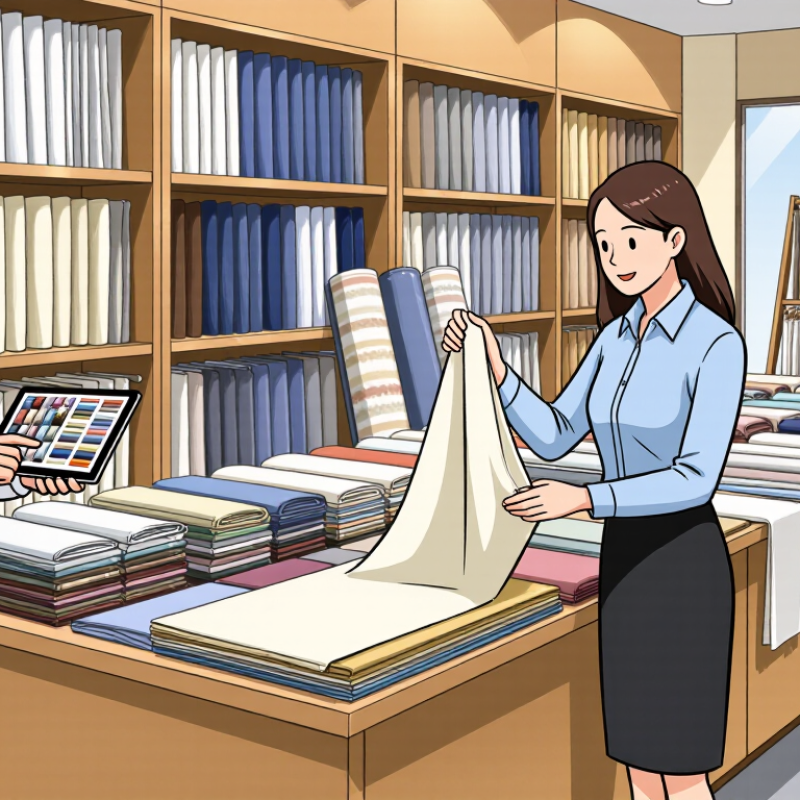
China’s fabric supply industry is not concentrated in one city. Production, dyeing, finishing, and wholesale markets often sit in different places. The China National Textile and Apparel Council estimated China’s fiber-processing volume at about 58.2 million tonnes in 2023. That scale supports broad sourcing choices, but it can also make supplier checks uneven. Details matter.
Zhejiang is a major sourcing area, with Shaoxing’s Keqiao district known for fabric trading and nearby manufacturing. Jiangsu has strong textile and finishing capacity, while Guangdong and Fujian serve many apparel and performance-fabric businesses.
The National Bureau of Statistics reported that textile enterprises above designated size generated about 4.75 trillion yuan in operating revenue in 2023. This figure describes the national industry, not any single region or supplier.
A market visit can reveal fabric handfeel, color consistency, and stock availability; a showroom sample cannot guarantee bulk-lot consistency. Ask for production location, composition test results, dye-lot controls, and realistic lead times. I would not assume a large market means better quality. It does not. The right region depends on fabric type, finishing needs, order size, and how closely you can verify production.
Identifying Reliable Fabric Suppliers Through Key Sourcing Channels
Where Can I Find Top Fabric Suppliers in China?
Reliable fabric sourcing often starts with several channels, not one search result. Trade fairs let buyers compare handfeel, weight, color, and finishing in person. Bring a fabric specification sheet and request swatches with clear fiber content and construction details. Online supplier directories can help build a shortlist, but profiles alone do not prove production capacity. Ask for recent product photos, sample lead times, and references from comparable orders. Local sourcing agents may help with factory visits and communication, though their fees and responsibilities should be agreed in writing.
Tips: Check samples under daylight and indoor lighting. Wash a small piece if the fabric will be laundered. Ask whether the quoted price includes dyeing, finishing, and packaging. Keep written records of specifications and approved sample versions. Small details matter.
A useful next step is to compare suppliers against the same checklist. Confirm minimum order quantities, payment stages, production timelines, and how defects are handled. Request a pre-production sample before approving bulk manufacturing. If possible, arrange an independent factory assessment or inspection. I have found that a polished sample can still differ from a later production lot; checks reduce uncertainty, but they cannot remove it entirely. Be cautious when answers stay vague, especially about material composition or delivery dates.
| Sourcing Channel | What You Can Find | Best Suited For | How to Assess Reliability | Practical Considerations |
|---|---|---|---|---|
| Textile trade fairs | Fabric producers, converters, mills, and trading companies exhibiting materials such as cotton, polyester, denim, knits, and functional textiles. | Buyers who want to compare samples, discuss specifications face to face, and meet multiple suppliers during one trip. |
|
Exhibitor participation does not by itself prove manufacturing capacity or product quality. Arrange follow-up checks after the event. |
| Textile wholesale markets | Ready-stock fabrics, sample books, and a broad range of materials offered by market vendors and fabric distributors. | Small orders, quick sampling, trend research, and buyers who need to compare fabric options in person. |
|
Stock availability and dye lots can change quickly. Reconfirm quantity, shade consistency, and replenishment options before ordering. |
| Online B2B marketplaces | Supplier profiles, product listings, inquiry tools, and, on some platforms, verification or transaction services. | Initial supplier discovery, price comparisons, and sourcing when travel is not practical. |
|
Online profiles and listing photos are not a substitute for independent verification or physical sample approval. |
| Referrals and sourcing agents | Introductions to mills or fabric vendors, help with communication, sampling, negotiation, and production follow-up. | Buyers who need local-language support, supplier coordination, or assistance managing several sourcing steps. |
|
Define who is responsible for quality decisions, delivery follow-up, and resolving problems before work begins. |
| Direct factory outreach | Potential access to mill capabilities, production processes, minimum order requirements, and customized development. | Repeat purchasing, custom colors or finishes, and orders that meet a factory’s production requirements. |
|
Factories may have minimum quantities, development costs, or longer lead times than stock sellers. Confirm these in the quotation. |
| Independent sourcing and inspection services | Supplier searches, factory visits, sample coordination, production checks, and pre-shipment inspections. | Buyers who need an additional layer of local verification or quality control. |
|
Third-party checks reduce information gaps but do not guarantee defect-free goods. Set acceptance criteria before production. |
| Sample testing and trial orders | Evidence of how a fabric performs against the buyer’s requirements, including appearance, dimensions, and selected test properties. | Any buyer evaluating a new supplier, fabric construction, finish, or production lot. |
|
Test requirements depend on the intended use. Agree on relevant checks, such as composition, colorfastness, shrinkage, or weight, where applicable. |
Evaluating Supplier Quality, Certifications, Pricing, and Production Capacity
Where Can I Find Top Fabric Suppliers in China?
A reliable fabric supplier is easier to identify through samples and records than polished sales claims. Request a small swatch set and compare color, hand feel, weight, and weave under consistent lighting. Ask how the supplier controls batch variation. A sample can look excellent, yet bulk rolls may differ.
Check details.
Review certificates carefully. Confirm the issuing body, validity dates, and whether the certificate covers the specific facility and fabric you plan to buy. Certifications can support confidence, but they do not replace testing. For important orders, arrange independent checks for composition, colorfastness, shrinkage, or other relevant requirements. Keep reports linked to the sampled fabric and production lot.
Compare quotations using the same specifications: fiber content, width, weight, finish, minimum order, packaging, and delivery terms. A low price may exclude testing or finishing costs. Request a cost breakdown. Then ask for monthly capacity, current lead times, and how the supplier handles peak-season orders. Capacity figures need context; a large factory may still have a full schedule. Review a realistic production timeline, and leave room for delays. I would not rely on one call or one attractive quote. Verify, then decide.
Comparing Fabric Types, Minimum Orders, Samples, and Lead Times
When comparing fabric suppliers in China, start with the material, not the lowest quoted price. Cotton poplin suits crisp shirts, while linen blends offer texture but may vary more between batches. Polyester and nylon can provide durability, yet hand feel and breathability depend on construction. Ask for the fiber content, fabric weight in grams per square metre, width, and finishing details in writing. Small differences matter.
Minimum orders depend on the mill, color, and whether the fabric is stocked or custom-dyed. A supplier may accept a few rolls of stock fabric but require several hundred metres for a new color. Confirm whether the minimum applies per color or across the whole order. Request a cutting sample first, then a larger sample for checking drape, shrinkage, and color under daylight. Keep an approved swatch for comparison. It is a simple step, but easy to overlook.
Lead times need the same careful questions. Stock goods might ship within days, while custom dyeing and finishing can take several weeks; busy seasons may add delays. Ask when the clock starts: after deposit, color approval, or lab-dip approval? Get a realistic production window and shipping estimate separately. I would not treat a sample’s arrival date as proof that bulk production will follow the same schedule. That assumption can be wrong. A clear written specification and a little extra time often prevent costly surprises.
Verifying Suppliers and Managing Orders from Inquiry to Delivery
Finding a fabric supplier in China is only the starting point. Verification begins with the company’s registration details, production address, and export experience. Ask for recent factory photos, but do not rely on photos alone. A video call can reveal unfinished goods, storage conditions, and actual equipment. I also request fabric samples with composition, width, weight, color, and shrinkage data. Independent testing is useful for sensitive specifications. Supplier communication matters too. Clear answers usually matter more than polished sales language.
During the inquiry stage, I place every requirement in one written specification sheet. It includes the fabric construction, color reference, packaging method, minimum order quantity, target price, and requested delivery date. I confirm payment terms and shipping responsibilities before approving a purchase order. Small details prevent expensive confusion. One overlooked point is often the tolerance range. A fabric may meet the color standard but fail on width or weight. I have learned this through difficult revisions.
After approval, I ask for a production schedule with milestone dates. Progress photos should show labels, rolls, and quantities, not only attractive close-ups. A pre-shipment inspection can check shade consistency, defects, roll length, and carton markings. Keep inspection records and compare them with the original specification. Before dispatch, verify the commercial invoice, packing list, transport details, and insurance arrangements. Delays still happen. Weather, raw material shortages, or port congestion can change the plan, so I keep a realistic buffer instead of promising an exact arrival date.
Where Can I Find Top Fabric Suppliers in China?
Verifying Suppliers and Managing Orders from Inquiry to Delivery
This chart shows a practical planning benchmark for a standard fabric sourcing order. Actual timing varies according to fabric type, customization, order quantity, certification requirements, production capacity, and shipping method. Supplier verification should be completed before sampling, production, and payment.
Related Posts
-
Top 10 Best Fabrics for a Sustainable Fabric World?
-

2026 Best Fabric Weaving Techniques and Innovations for Textile Industry?
-
How to Choose the Right Textile Fabric for Your Project?
-

Top Types of Textile Fabric for Fashion and Home Decor Options?
-
How to Choose the Best Textile Fabric for Your Projects?
-
Best Fabrics to Buy for Your Next Project?