Top 10 Best Fabrics for a Sustainable Fabric World?
In today's fabric world, sustainability is at the forefront of industry discussions. The textile industry contributes significantly to global greenhouse gas emissions, with approximately 1.2 billion tons emitted annually. As awareness grows, consumers increasingly demand eco-friendly fabrics that support a sustainable future. This shift raises questions about the materials we choose and their environmental impacts.
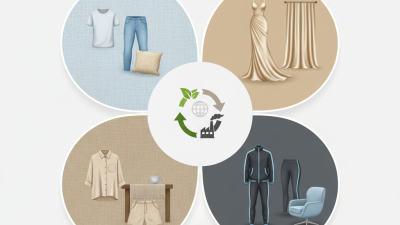
Many brands are committing to sustainable practices, yet challenges remain. For instance, organic cotton uses less water, but still requires significant land. Recycling options for polyester demonstrate potential, but not all are effective or widely available. The Ellen MacArthur Foundation emphasizes the need for circularity in textiles. This concept is essential for reducing waste and promoting longevity in the fabric world.
As we explore the top 10 best fabrics for sustainability, we must recognize both their benefits and limitations. While innovations are promising, ongoing analysis of material impacts is crucial. Reflecting on these aspects helps us make informed choices for a greener fabric future.

Understanding Sustainability in Fabric Choices
Sustainability in fabric choices is essential in the fight against climate change. Consumers are increasingly aware of textile production's environmental impact. A 2022 report from the Ellen MacArthur Foundation highlights that synthetic fibers account for over 60% of global textile production. This reliance on non-renewable resources is concerning. More sustainable options are needed.
Natural fibers like organic cotton and hemp are excellent alternatives. Organic cotton uses 91% less water than conventional methods, according to the USDA. Hemp grows quickly and enriches the soil, using minimal pesticides. However, despite these benefits, the industry still wrestles with scalability and cost issues. Many consumers hesitate to embrace these alternatives due to pricing factors.
Recycled materials also represent a promising solution. The Global Recycling Foundation estimates recycling PET plastic could save 80% of energy compared to virgin materials. Yet, the technology for recycling textiles is still developing. Public awareness remains a barrier, as few understand the advantages of recycled fabrics. Addressing these gaps in understanding is vital for broader acceptance and implementation.
The Importance of Eco-Friendly Fabrics in Fashion
The fashion industry significantly impacts the environment. A report from the Ellen MacArthur Foundation states that the industry accounts for over 10% of global carbon emissions. This alarming figure highlights the need for eco-friendly fabrics. Sustainable textiles can reduce waste, support biodiversity, and lessen pollution.
Choosing organic cotton or recycled polyester can dramatically lower your environmental footprint. For instance, organic cotton uses 91% less water compared to conventional cotton. Additionally, fabrics made from natural fibers like hemp or Tencel are biodegradable and often require fewer resources to produce. These options exemplify a shift towards responsible consumption that the industry desperately needs.
When selecting fabrics, consider their life cycle. Short-lived materials contribute to landfill waste. Seek out durable options that last. Remember to check certifications, which indicate sustainable practices and materials. Look for labels that promise reduced environmental impact. Making informed choices can push the industry toward more sustainable practices.
Mindfully investing in eco-friendly fabrics not only aids the planet but also shapes consumer behavior. It's essential for individuals to understand the broader implications of their choices. Each purchase can promote a more sustainable economy. Focus on longevity in your wardrobe to minimize waste. Be part of the change by prioritizing eco-friendly options.
Top Natural Fibers Promoting Sustainability
Natural fibers play a crucial role in promoting sustainability in the fabric world. Cotton is one of the most widely known sustainable options. It is biodegradable and can be grown organically, reducing the need for harmful pesticides. However, conventional cotton farming consumes large amounts of water. This raises questions about its true sustainability.
Linen, made from flax plants, is another excellent choice. It requires less water and energy to produce compared to cotton. Additionally, it is highly durable and biodegradable. Hemp is another strong contender, growing rapidly with minimal resources and enriching the soil. Yet, its perception often suffers due to its history and stigma.
Bamboo has gained popularity for its sustainability benefits. It grows quickly and absorbs carbon dioxide efficiently. Nonetheless, the process of turning bamboo into fabric can involve harmful chemicals. Each natural fiber has its strengths and weaknesses, prompting consumers to reflect on their choices. Understanding these materials empowers responsible decisions in fashion and fabric use.
Innovative Fabrics from Recycled Materials
The rise of innovative fabrics from recycled materials marks a pivotal shift in the textile industry. By 2030, it is projected that 75% of global apparel will be made from recycled materials, according to a report by the Global Fashion Agenda. This trend not only addresses waste but also contributes to reducing the carbon footprint of clothing production. Fabrics like recycled polyester and denim are leading the way, showcasing how discarded materials can be transformed into high-quality textiles.
Despite the advancements, challenges remain in the recycling processes. For instance, only about 1% of global polyester is currently recycled into new garments. This raises questions about the efficiency of existing technologies and the need for innovation. Moreover, consumer awareness plays a crucial role. Many still lack knowledge about the benefits of recycled fabrics, hindering their market potential. As the demand for sustainable solutions grows, industry leaders emphasize the importance of transparency in sourcing and manufacturing, guiding consumers to make informed choices.
The success of these materials hinges on collaboration across the supply chain. Innovations in chemical recycling and bio-based alternatives bring hope. However, the complexity of global regulations and varying quality standards can lead to confusion. Striving for a sustainable fabric world requires continuous effort, creativity, and a proactive approach from all stakeholders involved.
Evaluating Durability and Environmental Impact of Fabrics
When considering sustainable fabrics, durability is a key factor. A fabric must withstand time and usage to be truly eco-friendly. For instance, materials like organic cotton and hemp are known for their strength. They can last longer than conventional fabrics, thereby reducing waste. However, not all “sustainable” fabrics are equal. Some may have high water or energy usage during production, which can negate their benefits.
Environmental impact is another crucial aspect. Fabrics made from recycled materials help divert waste from landfills. Yet, the recycling process itself can be resource-intensive. It’s important to evaluate each fabric on its own merits. Biodegradable options like Tencel show promise, breaking down naturally after disposal. But even with biodegradable fabrics, we should reconsider our consumption patterns. Are we buying what we truly need, or are we still contributing to fast fashion’s harmful cycle? The balance between durability and environmental impact requires careful thought and a re-evaluation of our choices.
Top 10 Best Fabrics for a Sustainable Fabric World
| Fabric Type |
Durability (Years) |
Environmental Impact (1-10) |
Water Consumption (liters/kg) |
Renewable Resource |
| Organic Cotton |
5-7 |
8 |
7,000 |
Yes |
| Hemp |
10-15 |
9 |
2,000 |
Yes |
| Tencel (Lyocell) |
5-10 |
7 |
1,500 |
Yes |
| Linen |
7-12 |
6 |
3,000 |
Yes |
| Recycled Polyester |
5-10 |
5 |
1,000 |
No |
| Bamboo |
4-6 |
6 |
3,000 |
Yes |
| Modal |
5-8 |
6 |
1,200 |
Yes |
| Organic Wool |
7-10 |
8 |
2,200 |
Yes |
| Pineapple Leather (Piñatex) |
3-5 |
9 |
500 |
Yes |
| Eucalyptus Fabric |
5-7 |
7 |
1,800 |
Yes |