Best Fabrics to Buy for Your Next Project?
Choosing the right fabric can make or break your project. If you find yourself asking, "I need fabric," you're not alone. Many crafters struggle with the vast array of options available. Each fabric type has its own unique characteristics. Understanding these can help you make better choices.
Cotton is versatile and easy to work with. It's perfect for beginners and detailed projects alike. Linen offers a crisp texture but can fray easily. If you seek something stretchy, consider jersey knit. Each fabric also has different washing and care instructions. Misjudging these can lead to frustration down the line.
Think about your project's purpose. Will it be functional or decorative? Understanding your needs will guide your fabric selection. Experimenting with textures can yield surprising results. Some may not turn out as expected. Learning from these experiences can enhance your skills in the long run.
Essential Types of Fabrics for Crafting and Sewing Projects
When embarking on a crafting or sewing project, understanding fabric types is essential. Cotton is undoubtedly a popular choice. Its breathability and versatility make it suitable for various projects. According to recent industry reports, cotton fabric sales accounted for over 25% of the global textile market in 2022. However, it does wrinkle easily, which can be a concern for long-lasting quality.
Polyester is another fabric to consider. It is strong, durable, and resistant to shrinking and stretching. A study conducted by the Textile Research Journal indicated that up to 52% of garments in the U.S. contain polyester blends. However, this fabric may lack the breathability that natural fibers provide. Selecting the right fabric can significantly impact the project's comfort and usability.
For those looking to add stretch, spandex is essential. It enhances elasticity in garments, providing ease of movement. Data from the Fabric Industry Association highlights that spandex usage has increased by 30% over the past five years. Yet, it's crucial to balance stretch with support for optimal fit and wear. Each fabric has its strengths and weaknesses, making careful selection vital for successful outcomes in crafting and sewing.
Understanding Fabric Properties: Weight, Texture, and Durability
When selecting fabrics for your next project, understanding properties like weight, texture, and durability is key. Fabric weight affects drape and feel. Lightweight fabrics like chiffon work well for flowy designs. Heavier options like denim provide structure. According to a study from the Textile Research Journal, fabric weight significantly influences wearability and longevity.
Texture also plays a crucial role. Smooth fabrics like silk offer a luxurious touch, while textured options like corduroy add character. Choices vary based on the intended use. For high-traffic areas, consider fabrics that resist wear and maintain appearance over time. The American Society for Testing and Materials (ASTM) provides guidelines on durability ratings that can help inform your selection.
Tip: Before purchasing, test fabric samples. A small swatch can reveal how the fabric behaves under different conditions. Remember to reflect on how your chosen fabric aligns with your project needs. Not all fabrics are suitable for every project. Balance aesthetics with practicality. Often, a stunning fabric may lack the durability necessary for everyday use. Prioritize finding the right match.
Best Fabrics to Buy for Your Next Project
Popular Fabric Options: Cotton, Linen, Silk, and Synthetic Blends
When choosing fabric for your next project, consider popular options like cotton, linen, silk, and synthetic blends. Cotton is versatile and breathable. It offers comfort for daily wear and can range from lightweight to heavy. You can find cotton in many colors and patterns, making it ideal for various projects. However, it may shrink when washed, which is something to keep in mind.
Linen is another fantastic choice, especially for warm weather. Its natural fibers create a relaxed look. Linen drapes beautifully, making it perfect for dresses or curtains. Yet, it tends to wrinkle easily, which some may find frustrating.
Silk adds an element of luxury to any project. Its smooth texture and shine elevate garments, but it can be costly and challenging to work with. The fragility of silk means careful handling during sewing. Synthetic blends often combine the best qualities of different materials. They can be more durable and resistant to wrinkles, but they may lack the breathability of natural fibers. Always weigh these pros and cons when selecting fabric, as personal preference plays a significant role in the final decision.
Best Fabrics to Buy for Your Next Project
| Fabric Type |
Properties |
Best Uses |
Care Instructions |
| Cotton |
Soft, breathable, and durable |
Apparel, quilts, home decor |
Machine wash, tumble dry low |
| Linen |
Strong, breathable, and absorbent |
Summer clothing, tablecloths, curtains |
Hand wash or machine wash on gentle |
| Silk |
Luxurious, shiny, and smooth |
Evening wear, pillowcases, scarves |
Dry clean or gentle hand wash |
| Synthetic Blends |
Durable, wrinkle-resistant, and stretchable |
Activewear, upholstery, everyday clothing |
Machine wash, low heat drying |
Choosing the Right Fabric for Specific Projects: Clothes vs. Home Decor
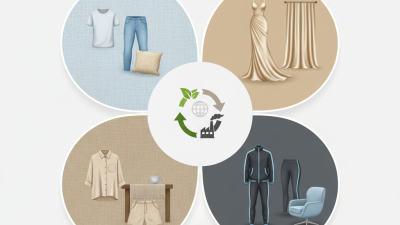
Choosing the right fabric for your sewing project is essential. When making clothes, look for breathable and stretchy materials. Cotton, linen, and jersey are popular choices for garments. They offer comfort and flexibility, ideal for everyday wear. Think about the project type. Casual clothes can use lighter fabrics, while formalwear might need heavier options like silk or wool.
For home decor, fabric selection is different. Upholstery fabrics should be durable and easy to clean. Consider canvas or microfiber for furniture. They withstand wear and tear, ideal for high-traffic areas. Curtains, on the other hand, may benefit from lighter fabrics like sheer or cotton blends. These create a welcoming feel while allowing light to filter through.
Experimenting with different fabrics can lead to some surprises. Sometimes, a fabric that looks perfect may not sew well or hold its shape. Be prepared for trial and error. The sewing process reveals much about fabric qualities. Understanding these nuances improves future projects. Keeping an open mind when choosing materials can lead to unexpected results and learning experiences.
Tips for Buying Fabrics: Quality, Pricing, and Sustainable Options
When purchasing fabrics for your next project, consider the quality first.
High-quality materials not only feel better but hold up over time. Look for tightly woven fabrics with consistent color and texture.
Check for certifications or information on manufacturing processes.
This builds confidence in the fabric's durability and safety.
Good fabric should inspire creativity, not frustration.
Pricing is another vital factor. Prices can vary widely due to factors like brand reputation and material sourcing.
Sometimes, cheaper options may compromise quality. Testing small swatches before making larger purchases can save money in the long run.
Remember, a pricey fabric can be a good investment if it meets your project needs.
Sustainability is a growing concern in the fabric industry.
Eco-friendly options such as organic cotton or recycled synthetic materials are worth exploring.
However, be cautious of greenwashing, where brands claim to be sustainable without real practices.
Research labels and choose companies that genuinely value environmentally friendly processes.
This not only supports the planet but also enhances the integrity of your work.