How to Choose the Best Textile Treatment for Your Needs
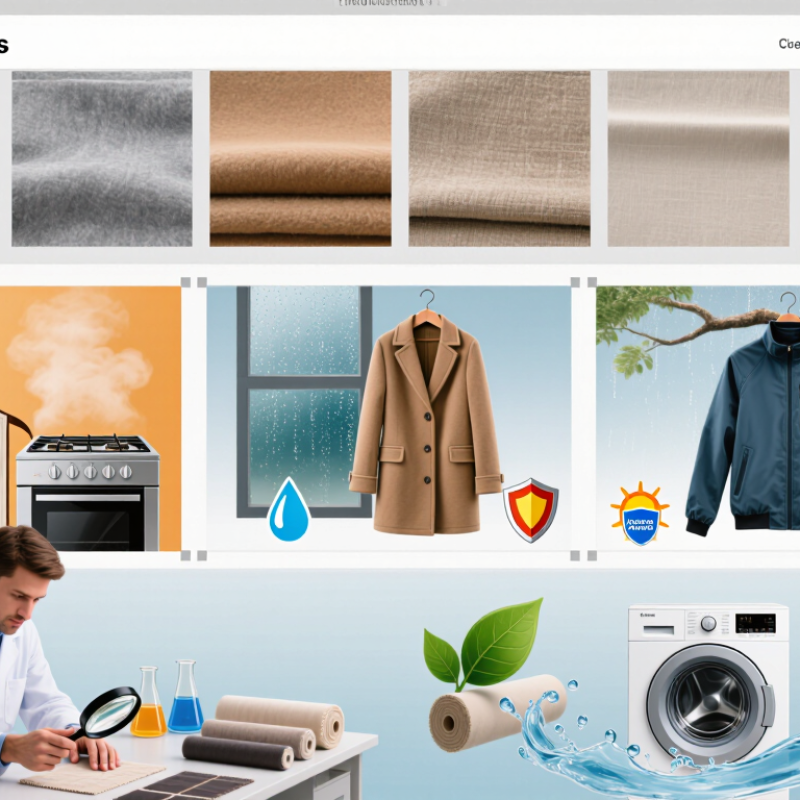
Choosing the right textile treatment starts with the fabric, not the product label. A cotton apron near a hot stove needs different protection from a wool coat exposed to rain. The best choice depends on fibre type, daily use, desired performance, and care routine. A water-repellent finish may suit an outdoor jacket, while an antimicrobial treatment may be unnecessary for a cushion that rarely gets used. Small details matter. Check the garment’s care label, test an inconspicuous area, and consider how often the item will be washed.
Textile scientist Dr. Richard Blackburn’s research on sustainable textile chemistry offers a useful reminder, paraphrased here: “A treatment should deliver a clear benefit without creating needless environmental or care burdens.” That balance deserves attention. A finish can improve stain resistance or soften a fabric, yet still change its feel, breathability, colour, or lifespan. And performance claims do not tell the whole story.
This guide explains how to compare common textile treatment options, match them to fibres and real-world needs, and assess durability, maintenance, and trade-offs. It also looks at questions worth asking suppliers, such as whether the finish lasts through repeated washing and what care it requires. No single treatment fits every textile. Even a careful choice may involve compromise, so it helps to decide which performance matters most before buying.
Identify the Textile and Its Intended Use
Before choosing a treatment, identify the fabric’s fiber content, construction, and finish. Check the care label, then look closely at the surface. A tightly woven cotton canvas behaves differently from a soft polyester knit, even if both feel sturdy in your hands. Blends can be less predictable. Small details matter.
Next, consider where and how the textile will be used. Curtains near a sunny window may need help resisting fading, while upholstery in a busy home may face spills, friction, and frequent cleaning. A tablecloth used for occasional meals has different demands from workwear washed every week. Think about heat, moisture, skin contact, and laundering—not just the most obvious stain or wear issue. Priorities can conflict.
Match the treatment to those conditions, and check whether it is compatible with the fiber and existing finish. A product suited to one fabric may change another fabric’s color, texture, or breathability. Test a swatch. If no spare piece is available, try a hidden area and let it dry fully before judging the result. Follow the textile’s care instructions, then check the treated material after washing or regular use. This takes extra time, and the first test may not tell the whole story.
How to Choose the Best Textile Treatment for Your Needs - Identify the Textile and Its Intended Use
| Textile or Fiber | Common Intended Use | Treatment to Consider | Selection Notes |
|---|---|---|---|
| Cotton | Shirts, bedding, towels, and everyday upholstery | Pre-shrinking or shrinkage-control finishing when dimensional stability is important | Cotton can shrink with washing and heat. Check the care instructions and test any finish on a small area, especially for colored or printed fabric. |
| Polyester | Sportswear, curtains, upholstery, and outdoor textiles | Moisture-management or water-repellent finishing, depending on the application | Polyester generally dries quickly, but fabric construction and coatings affect performance. Confirm that a treatment is compatible with the fabric and its intended laundering method. |
| Wool | Sweaters, coats, blankets, and carpets | Moth-resistant treatment for storage or a suitable shrink-resist treatment where repeated washing is required | Wool can felt or shrink when exposed to agitation, heat, and moisture. Follow the garment’s care label; some wool items require gentle handling or professional cleaning. |
| Silk | Blouses, scarves, dresses, and decorative textiles | Usually no additional finish; choose a fabric-specific care process instead | Silk may be sensitive to water, sunlight, and some chemicals. Test cleaning methods first and avoid applying a treatment unless it is specifically suitable for silk. |
| Nylon | Rainwear, bags, tents, and lightweight activewear | Durable water-repellent finishing for suitable outer layers | Water repellency does not necessarily make a fabric waterproof. For rain protection, consider the fabric construction, seams, and any existing membrane or coating. |
| Linen | Warm-weather clothing, table linens, and curtains | Pre-shrinking or crease-resistant finishing if the intended use calls for it | Linen can wrinkle and may shrink during washing. Finishes can change its hand or appearance, so weigh ease of care against the natural texture of the fabric. |
| Outdoor fabric blends | Patio cushions, awnings, and outdoor covers | Water-repellent and UV-protective treatments when appropriate | Outdoor exposure can fade or weaken textiles over time. Check the fabric’s existing finish, cleaning guidance, and suitability for prolonged sunlight before adding a treatment. |
| Textiles used in regulated settings | Children’s sleepwear, public interiors, or other uses subject to safety rules | Only a treatment specified for the relevant performance and regulatory requirements | Flame-resistant or other safety-related finishes must be selected and verified against applicable local requirements. Do not assume that an untreated fabric or a general-purpose finish meets a safety standard. |
Define the Performance or Care Problem to Address
Before choosing a textile treatment, name the problem you need to solve. Is a rain jacket wetting through at the shoulders, a work shirt holding odor, or a curtain fading in sunlight? These are different failures. That distinction matters. A water-repellent finish will not fix poor breathability, and a stain-release treatment may not prevent color fading. Check the fabric label, how the item is used, and where it fails. A damp cuff after light rain tells you more than a vague request for “better protection.” It is tempting to treat every complaint as a finishing problem, but worn fibers or unsuitable construction may be the real cause.
Match the treatment to a measurable need, such as water repellency, reduced shrinkage, or easier stain removal. Ask how performance will be tested and how repeated washing may change it. WRAP’s 2017 Valuing Our Clothes report estimates that extending a garment’s active life by nine months could reduce its carbon, water, and waste footprints by 20–30%. Textile Exchange’s Materials Market Report 2024 reports that global fiber production reached 124 million tonnes in 2023. That scale makes unnecessary treatments worth questioning. Specify the care conditions, too: a coating that works before washing may disappoint after frequent laundering. I would not assume the first test tells the whole story; real use can be messier.
How to Choose the Best Textile Treatment for Your Needs
Define the Performance or Care Problem to Address
Typical moisture regain at standard atmospheric conditions is one useful starting point when addressing moisture retention and drying needs. Fibers with lower regain generally absorb less moisture into the fiber, but fabric construction and finishing treatments also affect drying performance. Consider testing wicking and drying time on the actual fabric before choosing a treatment.
Approximate conventional fiber values; actual results vary with test conditions and material.
Compare Treatment Types and Their Effects
A water-repellent finish helps droplets bead on a jacket, but it does not seal seams or make fabric waterproof. Antimicrobial finishes can slow odor-causing microbes, yet their performance may decline after repeated washing. UV-protective finishes reduce radiation passing through fabric; check the garment’s tested ultraviolet protection factor, not just its color or thickness. Flame-resistant treatments serve specific heat and fire risks, but require suitable testing and care instructions. Each finish solves a different problem.
The scale of textile production makes informed choices worthwhile. Textile Exchange’s 2023 Materials Market Report estimates global fiber production reached 116 million tonnes in 2022, with polyester accounting for 54%. That figure describes fiber production, not treatment impacts, so it should not be mistaken for proof that one finish is safer or more durable. Ask for test results: AATCC TM22 measures water repellency, while AATCC TM61 assesses colorfastness during accelerated laundering. Compare results before and after washing when available. Still, a lab result cannot fully predict years of abrasion, sweat, and care at home. I would match the finish to the actual task, then accept that some performance will fade. A little caution helps.
Check Fabric Compatibility, Safety, and Maintenance Needs
Start with the fiber label, not the treatment claim. Cotton, wool, polyester, and blends can react differently to the same finish. Textile Exchange’s 2024 Materials Market Report estimates that global fiber production reached 124 million tonnes in 2023, reflecting a vast mix of materials. Check the garment’s care instructions and test the treatment on a hidden seam. Small test first.
Safety depends on how a treatment is applied and used. Read the product’s instructions, use the stated amount, and ventilate the work area when directed. Keep treated fabric away from skin until it is fully dry. Ask for test results on the specific fiber and performance claim; AATCC TM22, for example, measures water repellency rather than overall safety. A generic “protective” claim is not enough.
Maintenance matters, too. The European Environment Agency reported EU textile consumption of about 14.8 kilograms per person in 2020. A finish that washes out quickly may add effort without extending a garment’s useful life. Check whether laundering, heat, or ironing reduces performance, and note the care routine you can realistically follow. I would not assume a treated fabric will always feel the same; coatings can change softness or breathability, and a small patch test cannot reveal every long-term effect.
Choose an Application Method and Test the Results
Choose the application method that suits both the treatment and the fabric. A spray can work well for targeted coverage on curtains or upholstery, while a wash-in product may be easier for several washable items. Check the care label and treatment instructions before starting. Heat-sensitive fibers, coatings, or trims may react differently than the main fabric. Test a hidden area, and use gloves or ventilation when the product directions call for them.
Apply the treatment evenly, without soaking one spot or rushing across seams. For a spray, hold the container at the distance stated on its label and move in steady passes. For a wash-in method, weigh the fabric if instructions specify a load size. Small details matter. Let the textile dry or cure for the full recommended time; handling it early can affect performance.
Test a separate swatch first, if possible, and keep an untreated piece for comparison. After treatment, check for color change, stiffness, odor, or visible residue in natural light. Then test the result in a realistic way: rub a dry cloth over the surface, or wash the sample as the care label allows. One clean swatch is not proof; fabric wear and uneven application can change the outcome. Record the method, drying time, and test results, especially if you plan to treat more than one item.
Related Posts
-
What Is Textile Treatment and Why Does It Matter?
-
2026 Best Textile Treatment Techniques for Global Buyers?
-

Top Textile Machinery Manufacturers Worldwide?
-

2026 Top Weaving Machine Innovations and Trends to Watch?
-

2026 Best Carbon Weaving Machine for Efficient Production?
-
Top 10 Weaving Machines for Home Use to Enhance Your Crafting Experience?