
What Is Textile Treatment and Why Does It Matter?
Textile treatment is the practical science behind how fabric looks, feels, performs, and lasts. It can involve washing, dyeing, softening, coating, flame resistance, water repellency, or anti-shrink processes. Each method changes the material in a specific way. A cotton shirt may feel smoother after softening. A rain jacket may resist water because its fibers carry a protective finish. Small changes matter.
In a textile mill, treatment decisions often begin with fiber type, intended use, and washing conditions. Technicians examine fabric samples, measure color fastness, and test strength after repeated laundering. Reliable manufacturers also monitor chemical handling, worker safety, wastewater management, and product labeling. These checks support quality and help buyers make informed decisions. Yet textile treatment is not automatically better when more finishes are added. A coating may improve performance but reduce breathability. A softer fabric may lose strength over time. Some claims also sound impressive without explaining test methods or expected durability.
That is the difficult part.
Understanding textile treatment requires both technical knowledge and practical judgment. Standards, laboratory results, and supplier documentation provide useful evidence. Still, real clothing can behave differently in daily life. Sweat, sunlight, detergent, friction, and storage conditions all influence performance. Consumers should ask what treatment was used, why it was needed, and how long it may last. Manufacturers should communicate those limits clearly. The subject deserves attention because treatment affects comfort, safety, environmental impact, and value—not just appearance. It is easy to overlook. That may be our mistake.
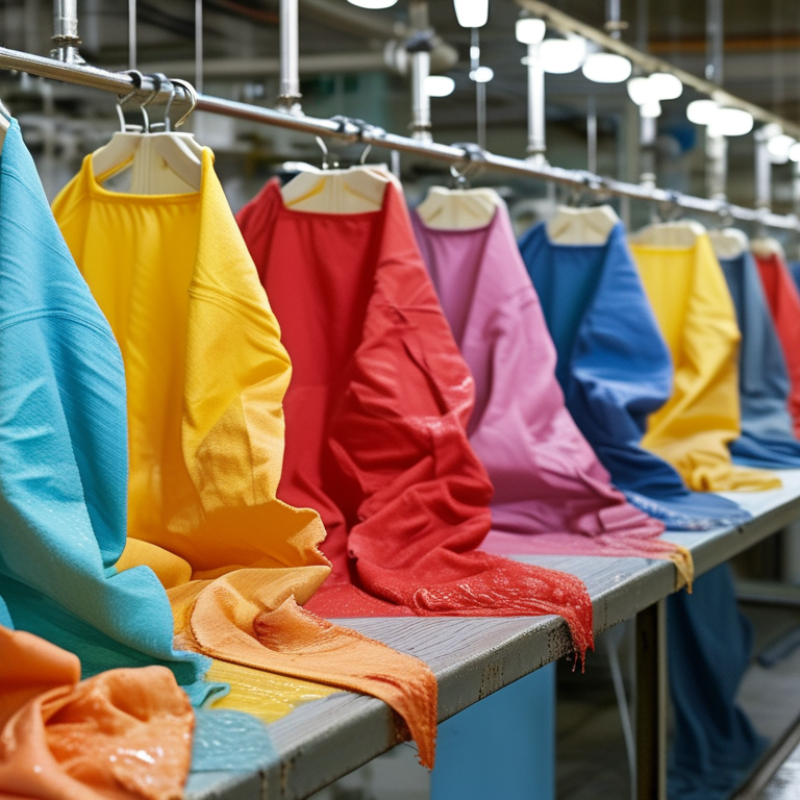
Definition and Scope of Textile Treatment
What Is Textile Treatment and Why Does It Matter?
Definition and Scope of Textile Treatment
Textile treatment is the controlled processing of fibers, yarns, or fabrics after formation. It can change appearance, handle, strength, shrinkage, moisture behavior, or resistance to abrasion. The scope begins with preparation, including washing, scouring, bleaching, and desizing. It may continue through dyeing, printing, coating, softening, flame resistance, and performance finishing.
In a working mill, treatment is more than adding chemicals. Heat, water, pressure, time, machinery, and operator decisions all affect the result. A small temperature change can alter shade consistency. Poor rinsing may leave residues or weaken fibers. The boundary is not perfectly fixed. Some processes overlap with manufacturing, testing, or product care.
The scale makes control important. Textile Exchange’s Materials Market Report 2024 estimates global fiber production reached 124 million tonnes in 2023. It could approach 160 million tonnes by 2030. Each treatment stage can influence energy use, wastewater quality, durability, and product failure. The European Environment Agency also identifies textile production and consumption as major pressure points for resource use in Europe. These reports show why treatment should be assessed across the product life cycle, not by appearance alone. Incomplete mill records remain a common weakness.
Tips: Measure water, energy, pH, temperature, and chemical dosage for every recipe. Keep laboratory tests connected to bulk production. Check color fastness, shrinkage, and fabric strength after washing. Measure before changing. Test the whole recipe. Do not assume a softer finish is automatically better.
Main Types of Textile Treatment Processes
Textile treatment changes a raw fabric into material with useful performance, appearance, and durability. The process also affects comfort, safety, and environmental impact. Different fibers need different treatment conditions.
Pretreatment removes natural oils, dirt, sizing agents, and loose fibers. Desizing prepares woven fabric for washing, while scouring improves absorbency. Bleaching creates a cleaner, brighter base for later coloration. These steps require controlled temperature, water quality, and chemical concentration. Excessive treatment can weaken yarns. That mistake is easy to miss.
Dyeing and printing add color through immersion, spraying, or localized application. Reactive dyes suit many cellulosic fibers, while disperse dyes are commonly used for polyester. Colorfastness testing checks resistance to washing, light, rubbing, and perspiration. A bright sample means little if its color quickly transfers to another garment.
Finishing treatments adjust the fabric’s surface and function. Mechanical finishing may raise, compact, brush, or smooth the material. Chemical finishing can improve softness, wrinkle resistance, water repellency, flame resistance, or antimicrobial performance. Heat setting helps synthetic fabrics retain shape, but excessive heat may cause shrinkage or a harsh hand. I would always assess the final fabric after laundering, not only when it leaves the machine. Laboratory results can look excellent, yet real wear may reveal pilling, stiffness, or fading. Treatment choices should balance performance, fiber strength, worker protection, wastewater control, and the intended use of the textile.
What Is Textile Treatment and Why Does It Matter? - Main Types of Textile Treatment Processes
| Treatment Process | Typical Stage | Primary Purpose | Common Textile Materials | How It Works | Main Benefits | Important Considerations |
|---|---|---|---|---|---|---|
| Desizing | Pretreatment | Remove sizing agents applied to warp yarns before weaving. | Woven cotton, linen, viscose, and blended fabrics | Enzymes, oxidizing agents, or water loosen and break down starches and synthetic sizing materials. | Improves absorbency and prepares the fabric for scouring, bleaching, dyeing, or printing. | Treatment conditions must match the sizing chemistry to avoid fabric damage or incomplete removal. |
| Scouring | Pretreatment | Remove natural waxes, oils, pectins, dirt, and processing residues. | Especially cotton and other cellulosic fibers | An alkaline bath, commonly containing a strong alkali and wetting agents, extracts hydrophobic impurities. | Creates a cleaner, more uniform, and more absorbent surface. | Excessive alkalinity, temperature, or time can reduce strength and increase wastewater treatment needs. |
| Bleaching | Pretreatment | Whiten the substrate and remove naturally occurring color bodies. | Cotton, linen, viscose, and selected synthetic fibers | Oxidizing agents break down colored impurities into less-colored or water-soluble compounds. | Provides a brighter base for pale shades, brilliant colors, and printed designs. | Over-bleaching may cause yellowing, fiber damage, or lower tensile strength. |
| Mercerization | Chemical finishing | Improve cotton luster, dimensional stability, and dye affinity. | Cotton yarns and fabrics | Cotton is treated with concentrated alkaline solution, usually under controlled tension. | Enhances smoothness, strength, sheen, and color yield. | Requires careful chemical handling, thorough washing, and tension control. |
| Dyeing | Coloration | Add a uniform, durable color to fibers, yarns, or finished fabric. | Natural fibers, regenerated fibers, and synthetic fibers | Dye molecules are transferred from a liquid or other medium and fixed to the fiber through chemical or physical attraction. | Offers a wide range of shades and can provide good wash or light fastness when correctly selected. | The dye class must suit the fiber; rinsing and effluent control are essential. |
| Printing | Coloration | Apply color in localized patterns, motifs, images, or text. | Cotton, polyester, viscose, silk, wool, and blended fabrics | Pigments or dyes are deposited onto selected areas using methods such as screen, rotary, flatbed, or digital printing. | Enables detailed designs, multiple colors, and localized visual effects. | Color penetration, rubbing fastness, curing, and paste or ink compatibility affect quality. |
| Heat Setting | Thermal finishing | Stabilize dimensions, reduce distortion, and set the desired width or shape. | Polyester, nylon, acrylic, and other thermoplastic fibers | Controlled heat allows polymer chains to relax and reorganize while the fabric is held in a defined state. | Improves dimensional stability, crease resistance, handle, and processing consistency. | Excessive heat can cause yellowing, loss of elasticity, or changes in shade and hand feel. |
| Softening | Mechanical or chemical finishing | Improve softness, flexibility, smoothness, and comfort. | Most fiber types, including cotton, polyester, viscose, and blends | Silicone, fatty-acid, or other softening agents lubricate fibers and reduce friction between yarns. | Enhances drape, tactile comfort, sewability, and consumer appeal. | Some softeners can reduce absorbency, alter shade, or interfere with later coatings and printing. |
| Water-Repellent Finishing | Functional finishing | Reduce surface wetting and delay water penetration. | Outdoor apparel, workwear, cotton, polyester, nylon, and blends | A low-surface-energy finish forms a water-shedding surface while preserving some air permeability. | Improves resistance to light rain, splashes, and surface soiling. | Water repellency is not the same as waterproofing and may decline after laundering or abrasion. |
| Flame-Resistant Finishing | Protective finishing | Reduce ignition, flame spread, afterflame, or heat release. | Protective clothing, furnishings, and selected cellulosic or synthetic textiles | Chemicals or inherently resistant fibers promote char formation, dilute flammable gases, or interrupt combustion. | Can improve protection in workwear, upholstery, transportation, and institutional applications. | Performance must be verified against the applicable safety standard and laundering requirements. |
| Antimicrobial Finishing | Hygienic or functional finishing | Control the growth of odor-causing or damaging microorganisms on the textile surface. | Sportswear, socks, medical textiles, uniforms, and household fabrics | An active agent inhibits microbial growth through contact, controlled release, or surface modification. | May reduce odor development and help protect the textile from microbial deterioration. | It does not replace cleaning or hygiene practices; durability, skin safety, and regulatory compliance are important. |
| Coating and Lamination | Advanced finishing | Add a continuous layer or bonded membrane for protection or specialized performance. | Technical fabrics, rainwear, protective textiles, bags, and upholstery | A polymer layer or membrane is applied and bonded to the textile using heat, pressure, adhesives, or other processes. | Can provide waterproofing, wind resistance, chemical resistance, durability, or structural support. | May reduce breathability, flexibility, recyclability, or drape if the layer is too heavy or rigid. |
| Mechanical Finishing | Final finishing | Modify surface appearance, texture, bulk, smoothness, or dimensional behavior without relying mainly on chemicals. | Woven, knitted, and nonwoven fabrics | Processes such as calendering, raising, brushing, compacting, and sanforizing apply pressure, friction, heat, or controlled shrinkage. | Creates specific hand feels, surface effects, width control, and improved appearance. | Effects can change with wear, laundering, pressure, and repeated mechanical stress. |
How Textile Treatments Affect Fabric Properties
What Is Textile Treatment and Why Does It Matter?
How Textile Treatments Affect Fabric Properties
Textile treatments change how fabric feels, performs, and survives daily use. In practical fabric trials, a softening finish can improve drape and touch. However, it may reduce moisture absorption or weaken surface durability. Mercerization can increase cotton’s luster, strength, and dye uptake. The result feels smoother. Enzyme washing can reduce fuzz and create a worn appearance. It may also remove some surface fibers, so excessive processing can shorten fabric life.
Water-repellent treatments help droplets roll away from the surface. They do not always make fabric fully waterproof. A dense coating can reduce breathability and create a slightly stiff hand. Treatments for wrinkle resistance may improve appearance after washing, yet they can affect softness. These trade-offs matter in shirts, sportswear, bedding, and work garments. Reliable evaluation should include hand feel, air permeability, shrinkage, colorfastness, and abrasion testing. Relevant ISO or ASTM methods can make comparisons more consistent.
Applications of Textile Treatment in Different Industries
Textile treatment changes how fabric performs in real working conditions. It can improve water resistance, flame protection, softness, stain control, or ultraviolet protection. These functions support very different industries.
In healthcare, treated fabrics can resist fluid penetration and simplify cleaning around beds and operating areas. Antimicrobial finishes may help control odor, but they should not replace proper hygiene procedures. In automotive interiors, abrasion resistance and low fogging treatments protect seats and dashboards. A small surface failure becomes obvious after repeated heat, friction, and sunlight. Construction and industrial workwear require stronger protection against sparks, chemicals, heat, and rain. The treatment must match the hazard. More treatment is not automatically better.
The apparel sector also depends on finishing processes for comfort and durability. Sportswear may use moisture management, stretch recovery, or quick-drying treatments. Hospitality textiles often need stain resistance because tablecloths and uniforms face frequent washing.
Textile Exchange’s Materials Market Report 2024 estimates global fiber production reached about 132 million tonnes in 2023 and could reach 160 million tonnes by 2030. That growth increases pressure to extend product life. The European Environment Agency has also linked textile consumption with significant resource and environmental impacts across Europe. A durable finish may reduce replacement demand, yet some finishes can complicate recycling or weaken after washing. This is the uncomfortable part. Performance claims need laboratory testing, user trials, and clear care instructions, not attractive fabric samples alone.
Environmental and Safety Considerations of Textile Treatment
What Is Textile Treatment and Why Does It Matter?
Environmental and Safety Considerations of Textile Treatment
Textile treatment includes scouring, bleaching, dyeing, printing, and finishing. These steps improve softness, color, shrink resistance, or water repellency. They also create environmental and occupational risks. The United Nations Environment Programme estimates that textiles generate 2–8% of global greenhouse gas emissions. The sector also uses about 215 trillion liters of water annually.
The wastewater can contain dyes, salts, surfactants, metals, and finishing agents. Poorly controlled discharge may damage aquatic ecosystems and complicate water reuse. The European Environment Agency reported that EU textile consumption caused about 9 cubic meters of water use per person in 2020. That figure makes a factory’s treatment choices feel less abstract.
Safer practice begins with chemical inventories, supplier documentation, ventilation, training, and suitable protective equipment. Wastewater should be tested for pH, chemical oxygen demand, color, and specific restricted substances. Industry programs such as ZDHC emphasize chemical management and wastewater control, while the ECHA provides guidance on hazardous substance responsibilities. Still, a compliant process is not automatically sustainable. A low-water finish may require more energy or create harder-to-treat residues. That trade-off deserves scrutiny. I have found that production teams often measure what is easiest, not what matters most. Better decisions connect worker safety, verified laboratory data, process efficiency, and realistic end-of-life planning.
What Is Textile Treatment and Why Does It Matter?
Textile treatments can improve wrinkle resistance, colorfastness, water repellency, and durability, but some chemical residues may create health and environmental risks. This chart shows the maximum formaldehyde limits for textile products under China’s GB 18401-2010 standard.
Lower limits apply to products used by infants and products in direct contact with skin. Responsible textile treatment also requires wastewater collection and treatment to reduce the release of dyes, auxiliaries, salts, and other processing chemicals.
Source: GB 18401-2010, National General Safety Technical Code for Textile Products.
Related Posts
-
2026 Best Textile Treatment Techniques for Global Buyers?
-
Best Fabric Weaving Machine for Global Buyers 2026?
-

China Top Carbon Fabric Innovations and Their Impact on the Industry?
-
How to Choose the Best Textile Fabric for Your Projects?
-

Why Is Textile Sustainability Important for the Future of Fashion?
-
10 Best Towel Weaving Techniques for Craft Enthusiasts?