China Best Carbon Fiber Manufacturers for Global Buyers?
China has become a major production base for carbon fiber, serving aerospace, wind energy, automotive, sporting goods, and industrial customers. Its supply chain now includes precursor producers, carbonization facilities, surface-treatment lines, and composite manufacturers. However, installed capacity does not always equal qualified output.
Market forecasts differ, but the direction is clear. MarketsandMarkets’ 2024 Carbon Fiber Market report estimates global demand will grow strongly through 2029, supported by lightweight transportation and renewable energy. Grand View Research also identifies transportation and wind-energy applications as important growth drivers. These reports use different definitions, so their figures should not be compared blindly. That limitation matters.
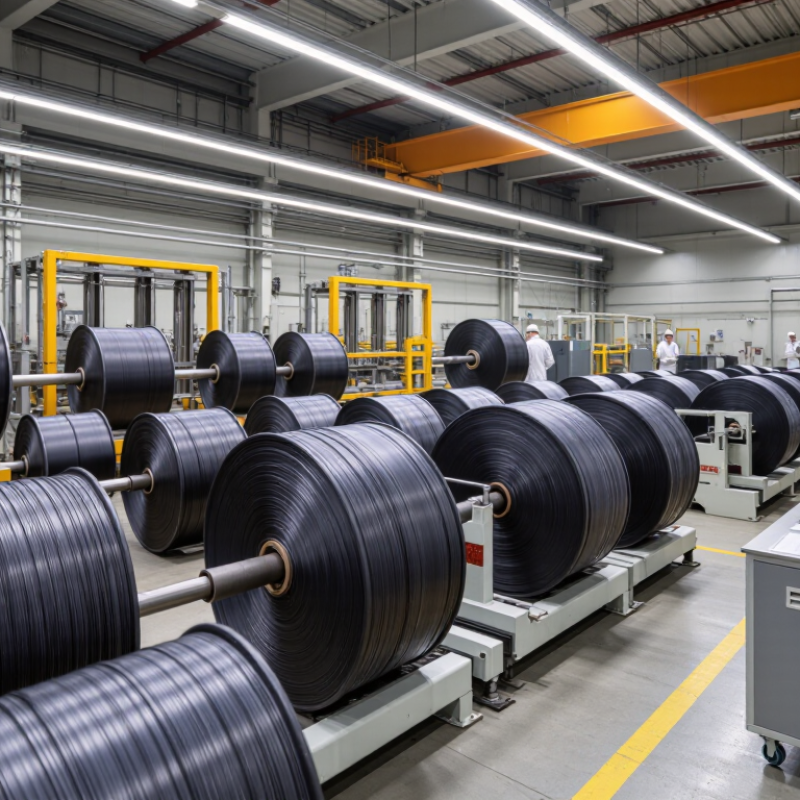
Global buyers need more than a competitive quotation. They should examine tow size, tensile strength, tensile modulus, elongation, sizing chemistry, and batch consistency. A black spool can look acceptable while performing poorly in a finished laminate. Details matter. China’s leading manufacturers increasingly provide technical data sheets, certificate-of-analysis records, and process support for international customers. Buyers should still verify those claims through samples and independent testing.
ISO 10618 and ASTM D4018 offer useful references for carbon fiber yarn identification and mechanical testing. Supplier audits should also review precursor sources, lot traceability, laboratory equipment, storage conditions, and export documentation. Experienced sourcing teams often request three consecutive production lots, not one impressive sample. No supplier is perfect. Even reliable manufacturers may show variation between grades or production lines. This guide examines China’s strongest carbon fiber manufacturers through measurable quality, application expertise, production scale, communication, and long-term reliability. The goal is practical comparison, not promotional ranking.
China’s Carbon Fiber Manufacturing Landscape for Global Buyers
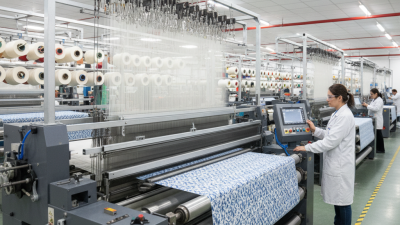
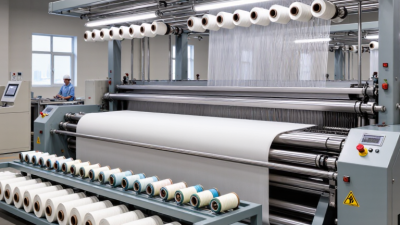
China’s carbon fiber manufacturing landscape has expanded from basic processing to integrated production. Manufacturers now cover PAN precursor, carbonization, surface treatment, sizing, weaving, and pultrusion. Production clusters support aerospace, wind energy, sporting goods, pressure vessels, and industrial tooling. Buyers can find standard 3K and 12K fabrics, plus larger tow materials for automated processes. Quality still varies between suppliers.
A capable manufacturer should provide tensile strength, tensile modulus, elongation, sizing content, and density data. Ask for batch-level test reports, not only a general product brochure. Factory audits can reveal clean rooms, furnace control systems, fiber storage conditions, and inspection routines. Packaging matters too. Moisture barriers and firm cartons protect rolls during long ocean shipments. Lead times may change when furnaces require maintenance. That detail is often overlooked.
Tips:
Compare samples under the same test standard. Confirm whether data comes from internal testing or an accredited laboratory. Request production photos, traceability records, and a small trial order before scaling. Check communication speed and technical answers. Cheap material can become expensive after rejected laminates or unstable curing. I have seen specifications look impressive, yet the finished fabric handled poorly. Buyers should leave room for doubt and verify performance in their own process.
Key Standards for Evaluating Chinese Carbon Fiber Manufacturers
Choosing a Chinese carbon fiber manufacturer requires more than comparing quoted prices. Start with documented quality systems and consistent technical records. Ask for current ISO 9001 certification and clear production-control procedures. Review tensile strength, tensile modulus, elongation, sizing content, and tow size. Request lot-specific certificates of analysis, not generic brochures. A useful certificate should show the test method, sample date, lot number, and acceptance limits. Check whether laboratories use calibrated equipment and recognized ASTM or ISO methods.
Production evidence matters. During a factory audit, inspect precursor storage, oxidation ovens, carbonization lines, and packaging areas. Look for temperature records, clean workspaces, and labeled material flow. Ask how deviations are quarantined and how corrective actions are verified. Trace one spool backward from shipment to raw-material records. A serious supplier should provide trial material for independent testing. Compare its results with your laboratory, especially after heat, humidity, or fatigue exposure. A sample can pass and still fail in production.
Commercial reliability also needs evidence. Confirm lead times, minimum order quantities, export documents, packaging protection, and complaint response times. Check whether specifications remain stable across at least three lots. Ask about resin compatibility and surface-treatment changes before approving substitutions. No scorecard is perfect. I would weigh traceability and repeatability above a low initial price. Impressive equipment can distract buyers, while weak records reveal hidden risk. Use a written audit checklist, retain test samples, and review performance after regular deliveries.
Leading Manufacturer Categories and Their Product Specialties
Carbon fiber manufacturers usually fall into four practical categories. PAN-based fiber producers supply standard, intermediate, and high-strength grades for aerospace, automotive, and sporting goods. Pitch-based producers focus on ultra-high modulus fiber, where stiffness matters more than impact resistance. MarketsandMarkets estimated the global carbon fiber market at about USD 4.7 billion in 2023, with demand rising across transportation and wind energy. The figure is useful, but forecasts still depend on energy prices and regional capacity.
Intermediate-material specialists convert fiber into prepreg, woven fabric, braids, or thermoplastic tape. Their strengths include resin control, consistent areal weight, and freezer-life management. A buyer should check laminate test data, curing windows, and batch traceability. Small details matter. A two-degree curing error can change part quality. Some suppliers also produce pultruded profiles, molded shells, and finished structural components. These companies may offer faster engineering support than raw-fiber producers.
Product specialty should guide supplier selection. Choose standard-modulus PAN fiber for cost-sensitive panels and pressure vessels. Consider intermediate-modulus grades for lighter automotive structures. Pitch fiber suits heat spreaders and highly rigid satellite components, but it often costs more and handles impact less comfortably. The 2024 Grand View Research outlook identifies transportation and renewable energy as important growth areas for carbon fiber consumption. Still, a market forecast cannot replace factory audits, ASTM or ISO test records, and sample production. I would not trust a low quotation without checking tow consistency, void content, and delivery history. That is where many purchasing plans become optimistic.
How to Compare Quality, Capacity, Pricing, and Certifications
When comparing carbon fiber manufacturers, quality starts with measurable data, not polished samples. Check tensile strength, tensile modulus, elongation, tow size, and surface treatment compatibility. Request recent test reports and certificates of analysis from several production batches. Consistent results matter more than one excellent roll. Inspect fiber appearance, winding tension, and packaging protection. Small details can reveal larger process problems.
Capacity should match your real purchasing plan. Ask about monthly output, available production lines, raw material security, and typical lead times. A factory may claim high capacity, yet reserve little stock for new buyers. Request a production schedule for your expected volume. Include sample approval, tooling changes, and peak-season delays. It sounds basic. It prevents surprises.
Pricing requires more than comparing the quoted price per kilogram. Calculate freight, insurance, inspection, customs duties, storage, and possible rejected material. Ask whether the price changes with tow size, order volume, or contract length. Certifications such as ISO 9001 can support process control, but verify their scope and validity. Environmental or chemical compliance documents should match your destination market. I would also arrange a remote or onsite audit when possible. No evaluation is perfect. A detailed checklist can still miss hidden weaknesses, especially when communication is rushed.
Steps for Sourcing and Verifying a Chinese Carbon Fiber Supplier
Sourcing carbon fiber from China should begin with a precise technical brief. Define fiber grade, tow size, resin system, fabric pattern, thickness, width, and intended application. Ask suppliers for production capacity, lead times, quality controls, and export experience. A professional supplier should explain limitations clearly, not promise everything immediately. Ask for evidence. Details matter.
Request recent samples from the same production line used for regular orders. Test tensile strength, fiber content, resin ratio, surface finish, and dimensional stability through an independent laboratory. Compare results with the supplier’s technical data sheet. Review ISO certificates, inspection records, material traceability, and batch numbering. Documents can look complete while practical control remains weak. I have seen specifications change between samples and mass production, so written approval is essential.
A factory video call is useful, but an on-site audit provides stronger evidence. Check equipment maintenance, clean storage, moisture control, laboratory instruments, and rejected-material handling. Speak with the quality manager and ask how nonconforming products are isolated. Verify the legal company name, registered address, banking details, and authorized signatory before signing a contract. Include inspection standards, tolerance limits, packaging requirements, compensation terms, and change-control procedures. Keep communication records. Do not guess. No audit is perfect, and even experienced buyers may overlook small process differences. A staged order can reduce exposure while performance is being verified.