Essential Tips for Choosing a Loom Weaving Machine?
When selecting a loom weaving machine, having expert guidance can make a significant difference. Renowned weaving expert, John Carter, once stated, “Choosing the right loom is crucial for quality craftsmanship.” His insight emphasizes the importance of informed decisions in the weaving process.
The loom weaving machine market is vast and varied. With numerous models and features, it can be overwhelmed. Weaving enthusiasts often struggle to differentiate between options, leading to confusion. Understanding the basic components and their functions is vital for making an informed choice.
Quality, durability, and ease of use are key factors to consider. An effective loom weaving machine should meet your specific needs. Think about your weaving goals and the type of projects you want to create. Researching different brands and user reviews can help clarify your choices. Remember, a well-suited loom can elevate your crafting experience, but making the wrong choice may lead to frustration and wasted resources.
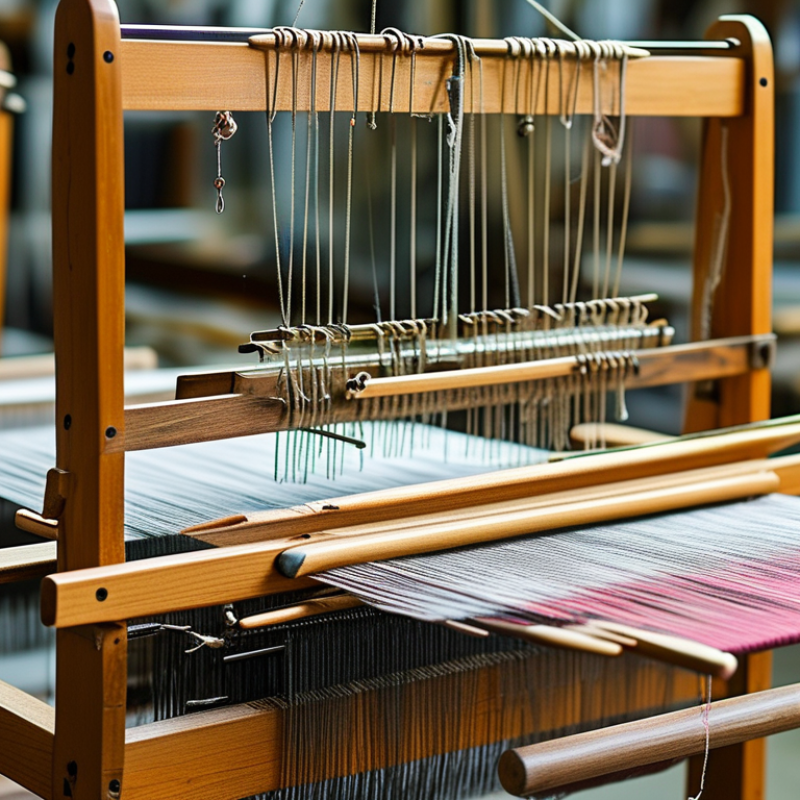
Understanding Loom Weaving Machines: Types and Functions
When diving into the world of loom weaving machines, it's crucial to understand the different types available. There are hand looms, which offer a tactile experience, and electronic looms that automate many processes. Each type has its strengths and weaknesses. Hand looms can be more satisfying to use but may require more skill. Electronic looms, while efficient, can feel less personal.
The functions of these machines also vary significantly. Some looms focus on simple patterns, while others excel at complex designs. Beginners might prefer machines that allow for straightforward weaving, minimizing frustration. Advanced users might seek out features that support intricate projects.
Additionally, consider your space and budget. A large loom can be impressive but may not fit in a small studio. Price points also vary widely. It's easy to overspend on features you may not need. Research each type and reflect on your own weaving goals before making a choice. Finding the right loom can require trial and error, which is part of the learning journey.
Key Features to Look for in a Loom Weaving Machine
Choosing the right loom weaving machine requires careful consideration of key features.
Recommended specifications include width, type of weave, and ease of use.
The average width for home use is around 24 inches.
This size facilitates various projects and is manageable in smaller spaces. Larger models, however, cater to more complex weaves but require additional investment.
The machine's type of weave is crucial. A versatile machine can handle different patterns, contributing to creative freedom.
For example, a report from the Textile World journal suggests that multi-shaft looms increase weaving flexibility, allowing artisans to craft intricate designs efficiently.
Paying attention to the ease of use is important. A confusing interface can result in frustration and less productive weaving sessions.
Regular maintenance is another factor. A well-maintained machine extends its lifecycle, but many users overlook this aspect.
A study published in the Journal of Textile Science indicates that proper care can increase durability by up to 30%.
Investing in a good-quality loom weaving machine pays off in the long term, but not all users recognize the commitment involved.
Consider your weaving goals carefully.
Assessing Your Weaving Needs: Choosing the Right Size and Model
Selecting the right loom weaving machine requires careful consideration of your specific weaving needs. Start by assessing the types of projects you plan to undertake. Are you focusing on small home decor pieces, or are you looking to create larger fabric items? Understanding the size of your creations will help in determining the appropriate loom dimensions.
The model you choose can affect your weaving experience. For beginners, a simple rigid heddle loom might be adequate. More experienced weavers may prefer a floor loom for versatility and complexity. Reflect on the space you have available. A large loom may require significant room, while a smaller model might fit better in a cozy corner.
Take advantage of online forums or local weaving clubs to gather insights. Interacting with other weavers can expose you to different models and experiences. Consider your budget, too. Investing in a higher-quality machine might prove beneficial in the long run, but not everyone has the same resources. Balancing your financial situation with your artistic ambitions is crucial.
Budget Considerations: Cost vs. Quality in Loom Selection
When selecting a loom weaving machine, budget is a crucial factor. It can often feel overwhelming to balance cost against quality. A lower-priced machine might seem like a good idea at first. However, it could lack essential features and durability. Investing more can provide better functionality and longevity. Think about how often you'll use the loom. If weaving is a hobby, a mid-range option might suffice. For those pursuing professional weaving, higher investment is justified.
Quality materials and construction matter. A well-built loom enhances your creativity. It can withstand regular use without significant wear and tear. On the flip side, cheaper models may break easily or fall short in performance. This could lead to frustration and wasted time. Sometimes, the initial savings can result in expensive replacements down the line. Research user reviews for insights but recognize that your experience may vary.
Always consider your personal weaving goals. What will you be creating? This reflection could help you decide on the features you truly need. Different types of looms cater to various projects. Weighing these elements will guide you toward a decision that suits both your budget and quality expectations. Remember, in weaving, as in life, the best option often comes with a balance of cost and quality.
Maintenance Tips for Longevity of Your Loom Weaving Machine
Maintaining your loom weaving machine is crucial for ensuring its longevity and performance. Regular upkeep can prevent costly repairs. The National Association of Textile Manufacturers suggests that properly maintained equipment can extend its life by up to 30%.
Keep your machine clean. Dust and debris can accumulate, affecting functionality. Regularly check for loose screws or damaged parts. A simple inspection can save hours of weaving time. Remember to lubricate moving parts as per your manufacturer’s guidelines. This reduces friction and wear, enhancing performance.
Consider using a protective cover when the machine is not in use. This prevents dust and moisture buildup. It’s a small step that can have substantial benefits. Consistent maintenance encourages better weaving quality. Don't overlook the importance of learning from past experiences. Mistakes in maintenance can cause unforeseen issues later. Take notes on what works and what doesn’t—this can guide future care efforts.
Essential Tips for Choosing a Loom Weaving Machine
| Feature |
Description |
Importance |
| Type of Loom |
Consider whether you need a floor loom, table loom, or a rigid heddle loom. |
Essential - affects weaving styles and portability. |
| Size |
Choose a size that suits your workspace and your weaving projects. |
Very Important - larger looms allow for bigger projects. |
| Ease of Use |
Look for features that enhance usability, such as automatic tension adjustment. |
Important - can save time and reduce frustration. |
| Material |
The quality of wood or metal used in the loom affects durability. |
Very Important - higher quality materials can increase lifespan. |
| Maintenance |
Regular cleaning and oiling of moving parts can ensure longevity. |
Essential - minimizes wear and tear. |
Maintenance Tips for Longevity of Your Loom Weaving Machine
| Maintenance Tip |
Description |
Frequency |
| Cleaning |
Dust and debris should be removed regularly. |
Weekly |
| Lubrication |
Lubricate moving parts to ensure smooth operation. |
Monthly |
| Tension Adjustment |
Regularly check and adjust tension for consistent weaving. |
Before each project |
| Inspection |
Look for wear and tear on parts and replace as needed. |
Every 3 months |
| Storage |
Store in a dry, clean environment to avoid damage. |
Always |