10 Best Textile Machinery Manufacturers for Global Buyers

Choosing among the 10 best textile machinery manufacturers requires more than comparing headline speeds. Global buyers must assess machine performance, fabric quality, energy use, operator training, spare-parts access, and service response. A loom may look impressive in a showroom, yet its value changes when a replacement part takes weeks to arrive. Small details matter.

Textile engineer Dr. S. M. Ishtiaque offers a useful buyer’s principle: “A machine’s real value lies in consistent output, dependable support, and the quality it delivers on the production floor.” Buyers should treat this as a practical guide, not a substitute for verified specifications. Request production data, inspect reference installations, and ask how the supplier handles commissioning and maintenance. Get the details in writing.

This guide compares manufacturers serving different production needs, from spinning and weaving to knitting and finishing. It considers technical range, customization, service networks, and suitability for varied factory sizes. A large brand is not automatically the best fit. Nor is the lowest quote. Some comparisons remain imperfect: local service quality can differ by region, and published performance figures may use different test conditions. Buyers should confirm claims directly with manufacturers and, where possible, speak with current users before committing.
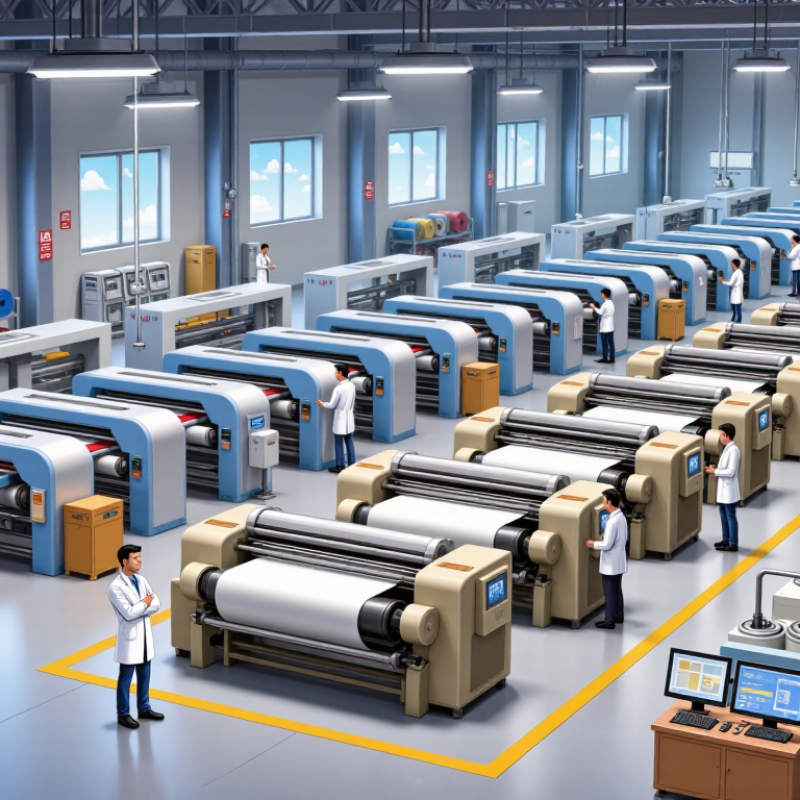
10 Best Textile Machinery Manufacturers for Global Buyers

Textile Machinery Categories and Their Global Applications

Textile machinery choices follow the material and end product, not just factory size. Textile Exchange’s Materials Market Report 2024 estimates global fiber production reached 124 million tonnes in 2023; polyester represented about 57%. That scale supports demand for high-throughput spinning, but fiber mix matters. Short-staple spinning serves apparel yarns; filament lines suit continuous synthetic yarns. Small setting changes can alter yarn evenness and waste.

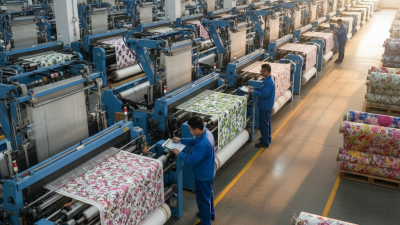
Air-jet and rapier looms make woven cloth for shirting, denim, and technical fabrics. Knitting machines produce stretch fabrics for sportswear, hosiery, and seamless garments. Nonwoven lines serve hygiene, filtration, and automotive interiors, where web uniformity is critical. ITMF’s 2023 International Textile Machinery Shipment Statistics tracks deliveries across spinning, weaving, knitting, and finishing equipment. Shipment trends are not a substitute for local service checks.

Dyeing and finishing equipment shapes color, hand feel, shrinkage, and performance. Water and energy use deserve scrutiny: a fast line may still be costly to operate. Buyers should compare batch size, fabric width, operator skills, spare-part access, and process control. Fit matters. A machine that looks efficient on paper may underperform with unstable utilities or inconsistent input fabric. Real factories rarely fit a neat chart.

Criteria for Evaluating Textile Machinery Manufacturers

Criteria for Evaluating Textile Machinery Manufacturers

Choosing machinery is less about headline speed and more about matching the machine to the product, material, and factory conditions. Compare output using the same yarn count, fabric structure, and operating hours; otherwise, quoted capacities may mislead. Check energy use, changeover time, defect rates, and access to spare parts. Ask for a witnessed trial using your own material. Test the fabric. A polished demonstration is useful, but it cannot show every production problem.

Sustainability and capacity deserve attention, too. Textile Exchange’s Materials Market Report 2024 estimates that global fiber production reached 124 million tonnes in 2023 and could rise to 160 million tonnes by 2030. That growth makes efficient production increasingly relevant, though the report does not rate individual machines. Ask suppliers for measured energy and water use per kilogram of output, plus maintenance records and realistic service-response times. Numbers need context. A low-energy figure means little if it excludes setup or downtime.

Tips: Request references from mills running comparable materials and shift patterns. Put acceptance tests, operator training, and warranty response times in writing. Then check whether local technicians can actually support the equipment. One imperfect but useful question: what tends to go wrong after installation? Manufacturers’ answers may reveal more than a brochure.

Profiles of 10 Leading Textile Machinery Manufacturers

For global buyers, the most useful profiles compare capabilities, not slogans. Textile Exchange’s Materials Market Report 2024 estimates global fiber production reached 124 million tonnes in 2023. That scale makes throughput, energy use, and consistent quality practical buying concerns.

A spinning-machinery specialist should show how its frames handle fiber variation and reduce ends down. A weaving supplier is judged by loom stability, fabric changeover time, and spare-part access. Circular-knitting makers need to demonstrate gauge flexibility; flat-knitting makers, accurate shaping and repeatability. Dyeing-equipment manufacturers should document water, heat, and chemical consumption per kilogram. Finishing specialists need clear process controls. A neat specification sheet can still mislead.

Nonwoven machinery profiles should state line speed and basis-weight range. Digital-printing suppliers should explain color consistency, pretreatment, and maintenance needs. Garment-sewing manufacturers should show operator safety and achievable output on real styles. Factory-automation providers must explain machine integration and service response. ITMF’s International Textile Machinery Shipment Statistics tracks shipments across equipment categories, a useful reminder that investment patterns differ by technology and market. Buyers should request comparable test conditions, local service references, and trial data. Not glamorous, but essential. Manufacturers’ performance claims deserve independent verification.

Comparing Machinery Portfolios, Technology, and Service

A useful comparison starts with the production route, not the catalogue. Check whether a manufacturer covers the spinning, weaving or knitting, and finishing stages your mill actually needs. Then match machine capacity to yarn type, fabric construction, target output, and available floor space. More features do not always mean better production.

Market cycles matter. The International Textile Manufacturers Federation’s International Textile Machinery Shipment Statistics reported that global shipments of new short-staple spindles fell 25% to 7.13 million in 2023. This is a reminder to assess suppliers against changing demand, not just peak-capacity claims. Ask for documented output under comparable yarn and operating conditions. Request a trial where practical. Brochures rarely show stoppages.

Technology should be judged by what operators can use: accessible controls, clear fault messages, and energy data per kilogram of output. Service deserves the same scrutiny. Compare installation support, training hours, local technician coverage, spare-parts lead times, and remote troubleshooting availability. Ask for response-time commitments in writing. A distant service team can erase a small purchase-price advantage. One imperfect point: buyers often compare machine specifications more carefully than service terms. That deserves a second look before signing.

Key Factors for Global Buyers Choosing a Manufacturer

Choosing a textile machinery manufacturer starts with the fabric, not the catalogue. A buyer producing denim needs different settings and wear resistance than one processing fine knitwear. Ask for trial runs using your own yarn, fabric weight, and target speed. Record output, defect rates, setup time, and energy use. Numbers from a demonstration are useful only when the test conditions are clear.

Service matters after installation. Check which technicians can visit your region, how quickly common spare parts ship, and whether manuals are available in a language your operators understand. A detailed quotation should state machine configuration, training, commissioning, warranty terms, and excluded costs. Confirm that electrical requirements suit your plant and that the equipment can integrate with existing lines. Ask for references from mills with similar production needs, then speak with their maintenance teams if possible. A polished brochure can hide a slow service desk. Surprises still happen. Even a careful checklist may miss a local constraint, so leave time and budget for adjustments during commissioning.