Top Textile Machinery Trends to Watch in 2026?
The textile machinery industry is evolving rapidly. Experts predict significant changes by 2026. One prominent voice in this field, Dr. Emily Carter, a leading textile machinery analyst, emphasizes, "The future of textile machinery lies in smart technology and sustainability."
As the demand for innovative production solutions rises, manufacturers face challenges in integrating new technologies. Automation, digitalization, and sustainability are reshaping the landscape. Companies must adapt quickly to stay competitive. Dr. Carter further states, "To thrive, firms must leverage data and invest in eco-friendly practices."
However, not all trends lead to immediate success. Some technologies may require further refinement. Businesses must reflect on their strategies as they adopt new systems. They must ensure that the transition enhances efficiency without sacrificing quality. In this dynamic environment, staying informed and flexible is crucial for success in the textile machinery sector.

Advancements in Automation and Robotics in Textile Machinery
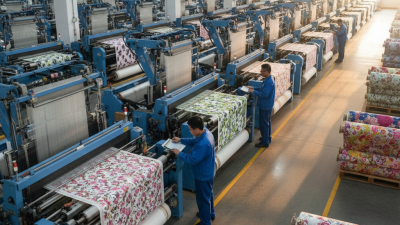
The integration of automation and robotics in textile machinery is transforming the industry. According to recent reports, the global textile machinery market is projected to grow at a CAGR of 5.7% from 2021 to 2026. This growth is primarily driven by the increasing adoption of advanced technologies in manufacturing processes.
Automation enhances efficiency by reducing human errors. Robotics plays a crucial role in this process. For instance, automated systems are now capable of managing intricate weaving patterns. They significantly lower production times while ensuring precision. Some factories have reported up to a 30% increase in productivity after implementing robotic solutions. However, not all implementations have gone smoothly. Training staff to work seamlessly alongside machines remains a challenge.
Tips: Consider investing in employee training programs. This can augment the benefits of automation. Emphasizing a culture of innovation helps companies adapt better.
The shift towards smart textiles is also noteworthy. Wearable technology requires advanced machinery for intricate designs. Manufacturers need to stay updated with the latest robotic capabilities. It is crucial to remain flexible in operations, as technology evolves rapidly. Companies must critically assess their operational processes to maximize these advancements.
Integration of AI and Machine Learning in Textile Manufacturing
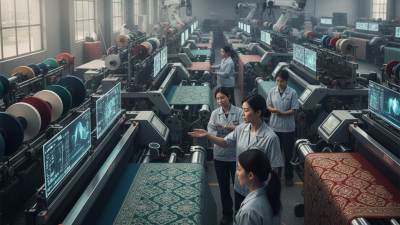
In 2026, the textile industry will see a significant shift with the integration of artificial intelligence (AI) and machine learning. These technologies promise to enhance efficiency and reduce waste in textile manufacturing. AI can analyze data to predict trends. This capability helps in inventory management and demand forecasting.
Machine learning algorithms will optimize processes. They can pinpoint bottlenecks in production. Factories can use this information to make real-time adjustments. However, there are challenges. Implementing these technologies requires training staff and updating infrastructure. Not all companies will adapt equally.
As AI becomes more prevalent, ethical considerations arise. Data privacy concerns and job displacement are valid issues. Companies must address these responsibly. Balancing innovation with human impact will be vital. The future of textile manufacturing hinges on smart integration of technology and thoughtful reflection on its effects.
Top Textile Machinery Trends to Watch in 2026 - Integration of AI and Machine Learning in Textile Manufacturing
| Trend |
Description |
Impact on Efficiency |
Year of Adoption |
| Predictive Maintenance |
Using AI algorithms to predict machine failures before they occur. |
Increase in machine uptime by 30%. |
2026 |
| Automated Quality Control |
AI systems that automatically inspect and assess fabric quality. |
Reduction of defects by 25%. |
2025 |
| Smart Inventory Management |
Leveraging AI to optimize fabric inventory levels based on demand forecasts. |
Reduction of inventory costs by 20%. |
2026 |
| Energy Efficiency Optimization |
AI-driven solutions for minimizing energy consumption in textile operations. |
Decrease in energy costs by 15%. |
2025 |
Emerging Technologies in Digital Textile Printing
In the world of textile printing, digital technologies are rapidly evolving. Emerging technologies promise to reshape how fabrics are produced and printed.
These innovations optimize workflow, enhance quality, and reduce waste. By 2026, we can expect to see new printing methods and materials that will revolutionize the industry.
Investing in advanced digital printers can be costly. However, the long-term benefits can outweigh the initial expenses.
These machines provide high-speed production and vibrant color outputs. As a tip, consider your specific needs before making a purchase.
Evaluate the type of fabrics you will print on. This helps in choosing the right technology.
Another trend is the integration of software solutions. Data analytics tools can improve decision-making in production.
They ensure efficient resource management. While navigating these innovations, remember that training staff is crucial.
This may pose challenges, but it fosters a skilled workforce. Monitor the emerging technologies closely and adapt as necessary.
Market Dynamics and Consumer Preferences Influencing Textile Machinery
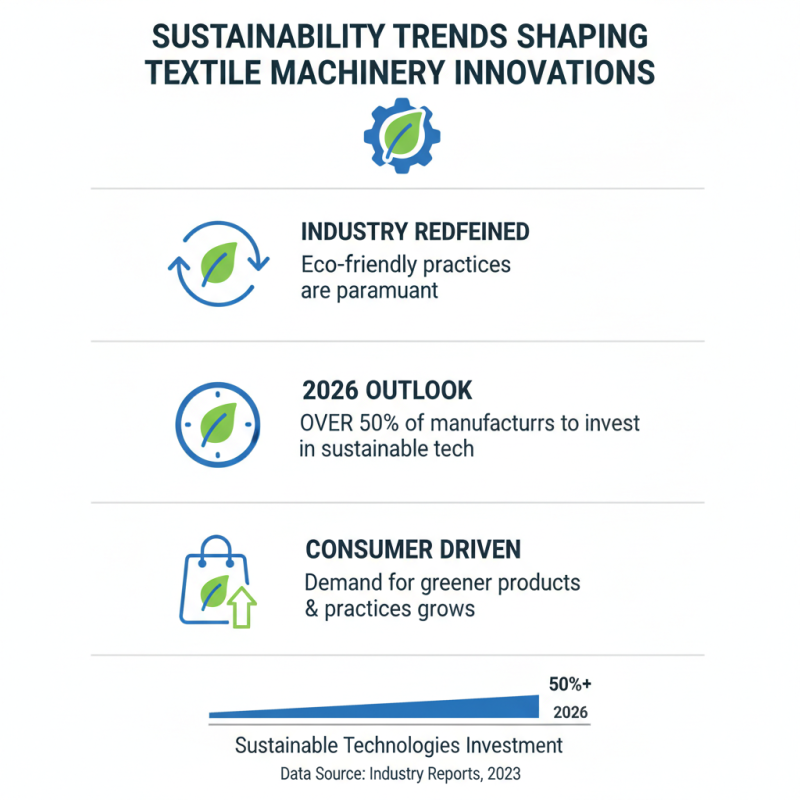
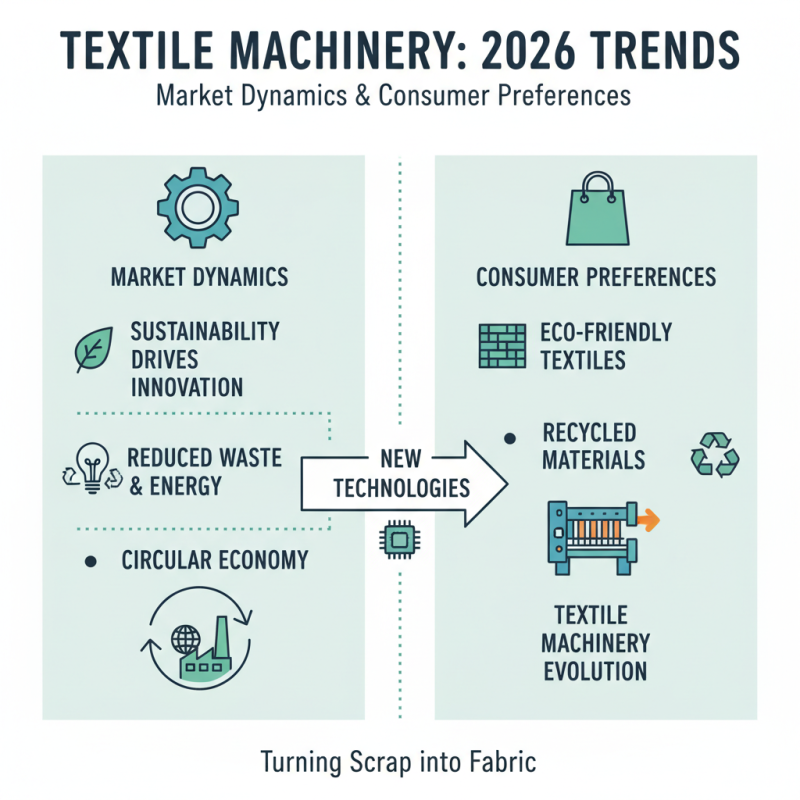
In 2026, the textile machinery landscape will evolve significantly, shaped by market dynamics and changing consumer preferences. Sustainability is a major driving force. Many consumers now prefer eco-friendly textiles. This shift urges manufacturers to innovate machinery that reduces waste and conserves energy. New technologies may offer recycling capabilities, turning scrap materials into usable fabric. This creates an opportunity for a circular economy.
Another key factor is customization. As consumers increasingly seek unique products, textile machinery must adapt. Machines that allow for quick adjustments and personalized designs will gain importance. This adaptability can help brands meet diverse demands without significant delays. However, implementing such flexible systems can be challenging and costly for smaller manufacturers.
Additionally, advancements in automation and smart technologies will influence production efficiency. While these innovations promise increased output, not all companies can keep pace. Smaller firms might struggle with high initial investments. Balancing technology with workforce needs will require strategic planning. Ultimately, understanding these trends is essential for stakeholders aiming to thrive in a rapidly changing market.