Best Loom Machine for Efficient Production Solutions?
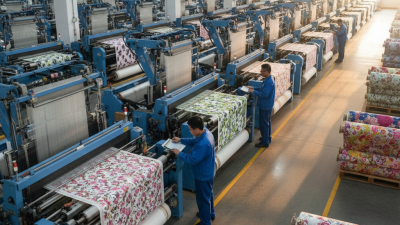
In the fast-evolving textile industry, the search for the best loom machine is crucial for efficient production solutions. Renowned expert Sarah Thompson, a leading voice in textile engineering, emphasizes, "The right loom machine can transform your production line." Her perspective illustrates the importance of selecting the most effective machinery for maximizing output and quality.
Choosing a loom machine isn't always straightforward. Factors like production capacity, material compatibility, and energy efficiency come into play. Many manufacturers often overlook maintenance and support, which are vital for a loom's longevity. Investing in a high-quality loom machine can lead to long-term benefits, but it requires thorough research and understanding of the market's needs.
Ultimately, the right loom machine does more than just weave fabric; it streamlines processes and reduces waste. Companies must reflect on their unique requirements and challenges. Understanding these elements can guide them in making informed decisions. The goal should always be to achieve peak efficiency while maintaining quality standards in a competitive industry.
Understanding Loom Machines and Their Importance in Production
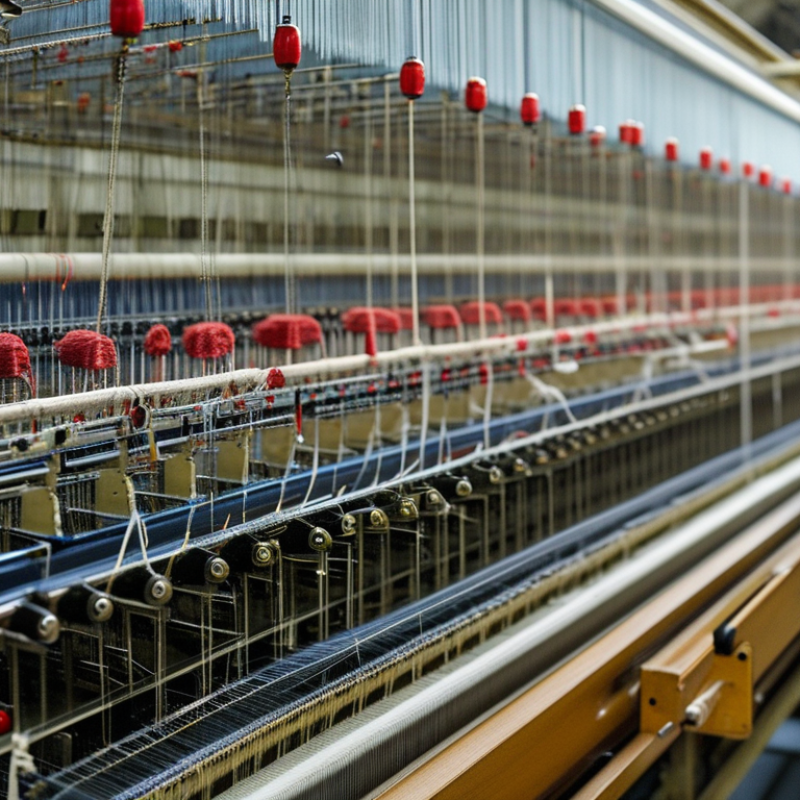
Loom machines play a vital role in the textile industry. They are essential for converting yarn into fabric, impacting production efficiency significantly. According to a report by Technavio, the global loom market is expected to grow by 4% annually, driven by advancements in technology.
These machines offer various types, including automatic and semi-automatic models. Automatic loom machines can produce up to 1,000 meters of fabric per hour. This output is crucial for meeting market demands swiftly. However, manufacturers often face challenges, such as maintenance issues and operator training. These areas can hinder overall productivity.
Moreover, selecting the right loom machine is critical for production. Efficiency is not solely about speed. It involves quality, cost-effectiveness, and adaptability. Fabric defects due to improper setup can lead to significant losses. Thus, investing time in understanding loom operations is essential for optimizing results in production lines.
Types of Loom Machines for Different Fabric Needs
When discussing loom machines, it's essential to recognize the variety available for different fabric needs. Each type of loom serves a specific purpose in the textile production process. For instance, jet looms are known for their high-speed performance and efficiency. They can produce a wide range of fabrics, especially for home textiles. According to industry reports, jet looms achieve speeds of up to 1,500 RPM, significantly enhancing production rates.
In contrast, jacquard looms offer versatility for intricate designs. They can weave complex patterns and motifs into the fabric, making them a favorite for decorative textiles. Data indicates that jacquard looms can increase design options by over 30%, allowing manufacturers to cater to diverse market demands. However, the setup for jacquard looms can be challenging, requiring skilled labor to operate effectively.
Shuttle looms, while older technology, are still relevant. They provide stability and quality in fabric production but may lack the speed of modern counterparts. Their maintenance can be tedious, as parts wear out frequently. Research shows that 70% of manufacturers find that upgrading to more advanced looms could improve efficiency but face challenges in training workers for the transition.
Best Loom Machine for Efficient Production Solutions - Types of Loom Machines for Different Fabric Needs
| Loom Type |
Fabric Type |
Production Speed (m/min) |
Typical Use |
| Jacquard Loom |
Patterned Fabrics |
200 |
High-end clothing, upholstery |
| Shuttle Loom |
Cotton, Wool |
150 |
General weaving |
| Air Jet Loom |
Synthetic Fabrics |
400 |
High-speed production |
| Rapier Loom |
Diverse Fabrics |
250 |
Complex textiles |
| Circular Loom |
Tubular Fabrics |
300 |
Flexible packaging, bags |
Key Features to Look for in an Efficient Loom Machine
When choosing an efficient loom machine, several key features stand out. Speed is crucial in increasing productivity. A machine with a high loom speed can significantly reduce production time. Look for models that allow adjustable speed settings. This flexibility helps adapt to various project requirements and fabric types.
Another important aspect is the ease of use. An intuitive control panel can make operation smoother. A user-friendly interface with clear instructions minimizes the training time for new operators. Additionally, consider the machine's maintenance requirements. Frequent maintenance can disrupt production. A design that allows easy access for cleaning and repairs is invaluable.
Fabric compatibility is equally vital. Some machines excel in specific materials, while others offer versatility across different fabrics. Always verify the loom's capabilities. Compatibility impacts the range of products you can create. Lastly, assess energy efficiency. Machines that consume less energy can lower operational costs. Reflecting on these aspects will guide you towards making a more informed decision.
Comparative Analysis of Top Loom Machines in the Market
When selecting the best loom machines, various factors come into play. The speed of production stands out as a key element. Faster machines can significantly increase output, but they may compromise fabric quality. Finding a balance between speed and quality is crucial. Additionally, user-friendly designs are essential for reducing operator errors. Simplified controls save time and enhance efficiency, contributing to a smoother production workflow.
A comparative analysis of loom machines reveals diverse features and functionalities. Some machines excel in versatility, allowing for multiple fabric types. Others prioritize durability, ensuring long-lasting performance under high-volume conditions. Each option has its pros and cons, reflecting different production needs. While advanced machines offer numerous settings, they may require extensive training. This level of complexity can pose challenges for new users.
Maintenance also plays a vital role in the effectiveness of a loom. Regular checks can prevent costly downtimes, yet many overlook this aspect. Machines that are easy to maintain often lead to better production outcomes. While exploring the market, considering these details may help in making an informed choice. It’s critical to reflect on the production environment and specific requirements. The right loom machine should cater to unique needs, ultimately driving efficiency in textile production.
Maintenance Tips for Enhancing Loom Machine Performance
Maintaining loom machines is essential for peak performance in textile production. Regular maintenance can significantly reduce downtime and increase efficiency. For instance, industry reports indicate that well-maintained looms can operate 15% more effectively than those that are neglected. Proper maintenance can involve simple tasks, such as checking tension and lubrication, or more complex procedures like inspecting electronic components.
Operators should also be aware of wear and tear on parts. A study highlighted that over 30% of loom malfunctions are due to worn components. Regular inspections can identify issues before they escalate. Keeping a log of maintenance activities not only helps track performance but also aids in planning future upkeep.
Ignoring maintenance can lead to costly repairs and lost production. Machine operators often underestimate the importance of this aspect. Dedication to maintenance might require extra time, but the long-term benefits far outweigh the inconveniences. Each loom will have its unique challenges, which requires a tailored approach to its upkeep. Understanding these nuances is key in maintaining optimal production levels.