What is a Fabric Weaving Machine and How Does It Work?
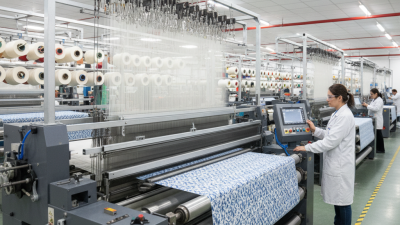
In the textile industry, the fabric weaving machine plays a crucial role in producing various types of fabrics. Expert Sarah Johnson, a leading figure in textile technology, states, “The efficiency of a fabric weaving machine defines the quality and sustainability of today’s textiles.” This highlights the essential nature of these machines in modern fabric production.
Fabric weaving machines have evolved significantly over the years. They can now produce intricate designs and complex patterns quickly and efficiently. However, there is still a learning curve associated with operating these machines. Many operators find themselves in need of additional training to maximize performance. Professional insights are vital as the technology progresses.
Understanding how a fabric weaving machine functions requires attention to detail. It’s fascinating yet challenging. The machine weaves threads together in a variety of ways, each influencing the final product. However, mastering these operations can be daunting for newcomers, leading to mistakes that can affect output quality. Continuous learning and adaptation are essential in this dynamic field.
Types of Fabric Weaving Machines: An Overview
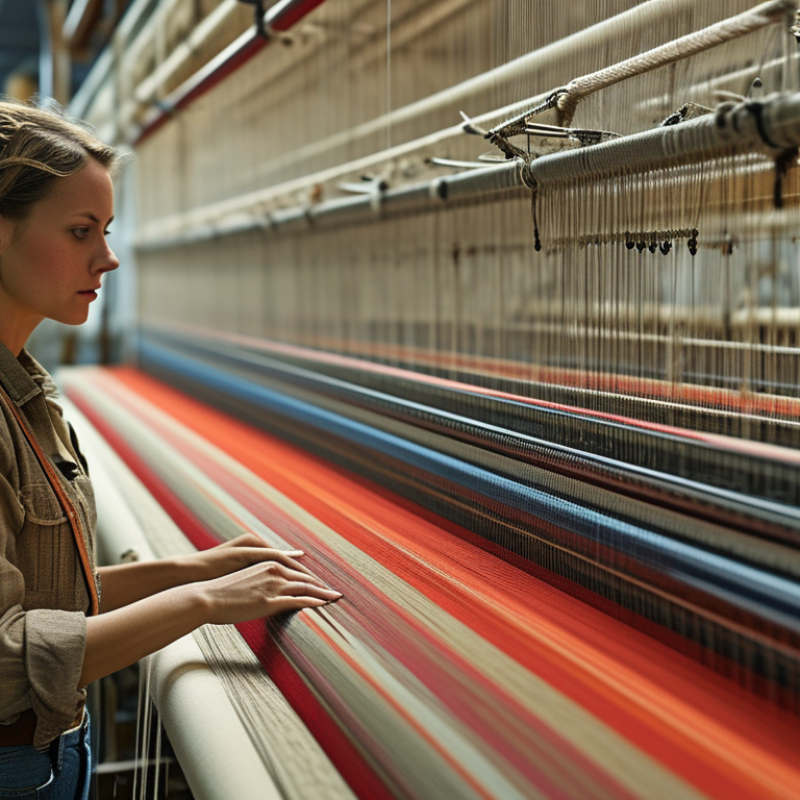
Fabric weaving machines are essential in the textile industry, enabling the creation of various fabrics. Understanding the types of weaving machines can enhance production quality and efficiency.
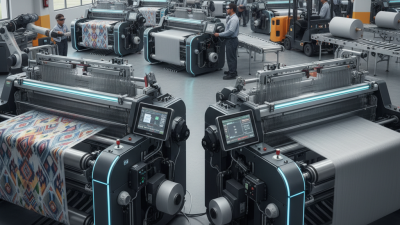
There are several categories of fabric weaving machines. The most common are shuttle and shuttleless weavers. Shuttle weavers use a bobbin to hold the thread, while shuttleless machines employ mechanisms like air or water jets to insert threads. Reports suggest that shuttleless technology can increase weaving speed by up to 20%. This efficiency is crucial as global fabric demand grows, projected to reach 100 million tons by 2025.
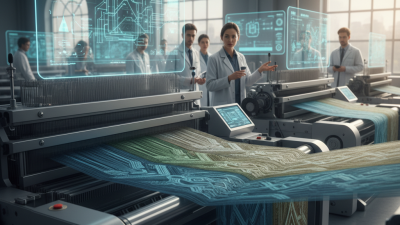
Customization is key in today's market. Jacquard machines, known for their intricate patterns, allow designers to create unique fabrics. Data shows that the Jacquard market accounts for about 25% of total weaving machine sales. However, implementing such technology requires careful consideration of training and resources.
To optimize the use of fabric weaving machines, consider these insights. Regular maintenance is critical for performance. A well-maintained machine can reduce downtime significantly. Additionally, investing in staff training pays off, enhancing overall productivity. The evolution of weaving technology is complex. Staying updated is essential for sustainable growth in fabric production.
Key Components of Fabric Weaving Machines Explained
Fabric weaving machines are essential in the textile industry. They transform yarn into fabric through a variety of mechanisms. Understanding their key components is crucial for anyone interested in textile production.
One major component is the warp beam. It holds the longitudinal threads used in weaving. The quality of warp threads significantly impacts fabric strength. According to industry studies, using high-quality yarn can enhance durability by up to 30%. The weft insertion mechanism is also vital. It interlaces fibers and determines the pattern and texture of the fabric. There are different types of weft insertion methods like shuttle, air jet, and rapier. Each offers unique benefits and limitations.
Attention to detail is critical in fabric production. Regular maintenance of the weaving machine can prevent breakdowns. Inspecting parts like heddles and reed is necessary for efficiency. Ensure alignment and settings match the fabric specifications. Small adjustments can save time and resources. Regular training for operators can improve understanding of machine capabilities. Consider the balance between speed and quality, as faster production rates can lead to increased defects.
What is a Fabric Weaving Machine and How Does It Work?
| Component |
Description |
Function |
| Warp Beam |
Holds the warp threads before they are woven. |
Provides tension and supports the warp during weaving. |
| Weft Bobbin |
Contains the weft thread that is inserted into the fabric. |
Delivers the weft to create the fabric's width. |
| Heald Frames |
Frames that hold the healds which guide the warp threads. |
Control the warp threads' movement to form sheds. |
| Shuttle |
A device that carries the bobbin through the warp threads. |
Inserts the weft thread into the fabric. |
| Treadle |
Foot pedal used to control the movement of the loom. |
Allows manual operation to create patterns in the fabric. |
| Take-up Roll |
Roll that collects the finished fabric. |
Holds the woven fabric as it is produced. |
The Weaving Process: How Fabric is Created
The weaving process is a fascinating blend of art and technology. It transforms threads into intricate patterns and textures, creating the fabric we use every day. A fabric weaving machine plays a crucial role in this transformation. It interlaces vertical threads, known as warp, with horizontal threads, called weft. This action creates a durable and versatile material suitable for various uses.
The process begins with selecting raw materials, which can vary from cotton to synthetic fibers. Each choice influences the final outcome in terms of texture, strength, and appearance. The weaving machine operates by cycling these threads through a series of mechanical actions. The shuttle, which carries the weft thread, passes over and under the warp threads, forming the desired pattern. However, achieving perfect alignment can be challenging. Tension must be carefully controlled, as any jerk or slack can lead to defects.
While modern machines are efficient, they may lack the nuanced touch of handweaving. Each machine has its limitations and quirks. Operators need to monitor the fabric quality closely. Even minor fluctuations in thread tension can cause imperfections. Weaving is not just a mechanical process; it requires skill and experience to produce high-quality fabric consistently.
Common Uses and Applications of Fabric Weaving Machines
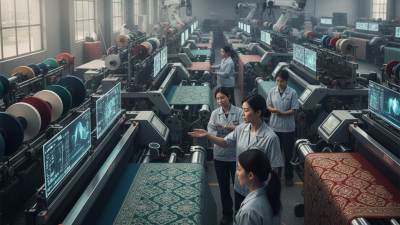
Fabric weaving machines are essential in the textile industry. They are used to create a wide range of fabrics. Different types of weaving machines cater to various needs. For instance, Jacquard looms produce intricate designs. This allows for unique patterns on fabrics used in fashion and upholstery. Shuttle looms are ideal for mass production. They efficiently weave large quantities of fabric quickly.
In the garment industry, weaving machines play a pivotal role. They contribute to the production of denim, twill, and satin. These fabrics are widely used in clothing. Additionally, the home textile market benefits greatly. Items like curtains and bedding require strong, durable materials that these machines provide. Woven fabrics are also crucial in automotive interiors and upholstery, showcasing their versatility.
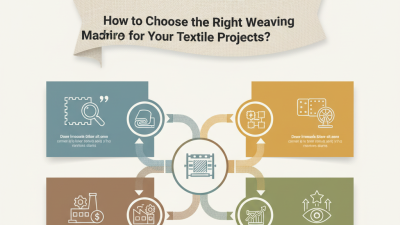
Tips for selecting a weaving machine include considering production volume and fabric type. Assess the space available for the machine. Maintenance is vital for longevity, so choose a model that is easy to service. Continuous learning about new technologies can enhance productivity. There’s always room for improvement in operating these machines, reflecting the evolving nature of the textile market.
Common Uses of Fabric Weaving Machines
Maintenance Tips for Optimal Performance of Weaving Machines
To ensure the optimal performance of fabric weaving machines, regular maintenance is crucial. Over time, dust and debris can accumulate, affecting the machine's efficiency. Routine cleaning is essential. Ensure you wipe down the surfaces and remove any lint or leftover fibers. Neglecting this step can lead to jams and reduced production quality.
Lubrication is another key aspect. Many machines require specific oil types for the moving parts. Consult the user manual for precise instructions. Failing to lubricate adequately can result in excessive wear and tear. Pay attention to squeaks or unusual noises, as they often indicate areas needing attention.
Additionally, periodic inspections are vital. Check the tension of the threads and the alignment of the loom. A misalignment can lead to uneven fabric production. Regularly replacing worn parts helps avoid breakdowns. Machines can be costly to repair if neglected. Keeping a maintenance schedule can save time and resources in the long run. Consider documenting any issues to refine your approach.