2026 Best Loom Machine Options for Efficient Weaving Techniques?
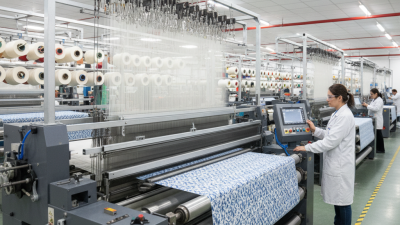
The weaving industry is evolving rapidly. The loom machine remains a crucial tool for textile production. Recent reports indicate that the global loom market will grow significantly, reaching an estimated value of $2.5 billion by 2026. This growth reflects a rising demand for efficient weaving techniques tailored to various textile applications.
As manufacturers seek to enhance productivity, they face challenges in choosing the best loom machine for their needs. The options available today feature advanced technology, but not all machines suit every application. Understanding the unique capabilities of each loom machine is key to optimizing performance. For instance, a Jacquard loom offers intricate designs, while a shuttle loom excels in speed and efficiency.
However, not all loom machines provide reliable performance. Some might require frequent maintenance, risking downtime and affecting output. Additionally, the learning curve can be steep for operators unfamiliar with advanced functions. Assessing both the benefits and potential drawbacks is essential for making an informed decision. In an industry grounded in tradition yet pushed by innovation, selecting the right loom machine can define a company's success in weaving.
Overview of Loom Machines for Weaving in 2026
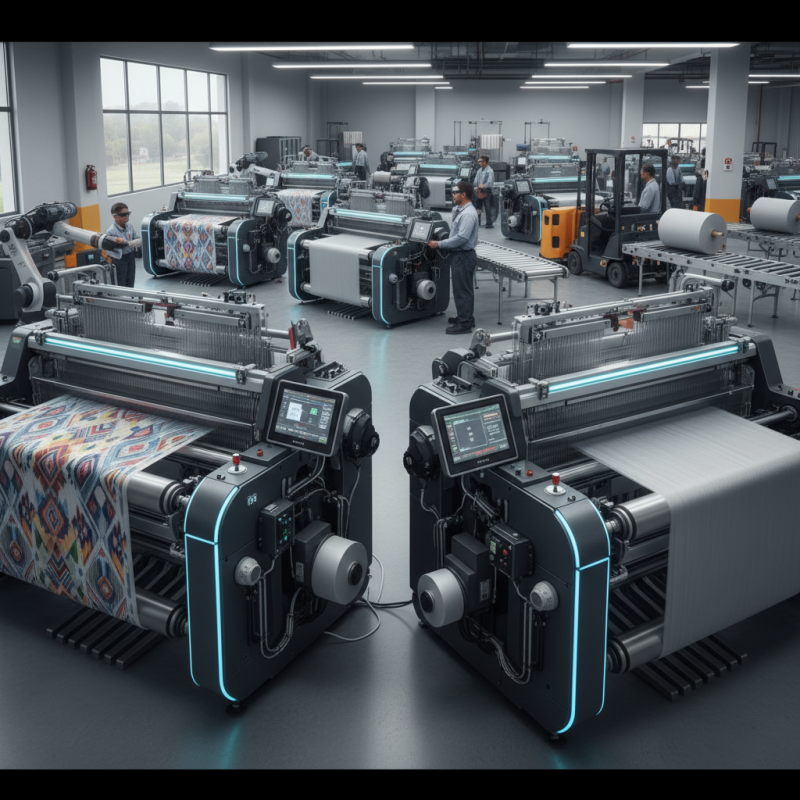
Loom machines play a vital role in weaving. In 2026, advancements in technology have made them more efficient than ever. The weaving industry has seen growth driven by innovations. According to the latest professional reports, there is a projected increase of 15% in loom usage worldwide. This reflects the rising demand for high-quality textiles.
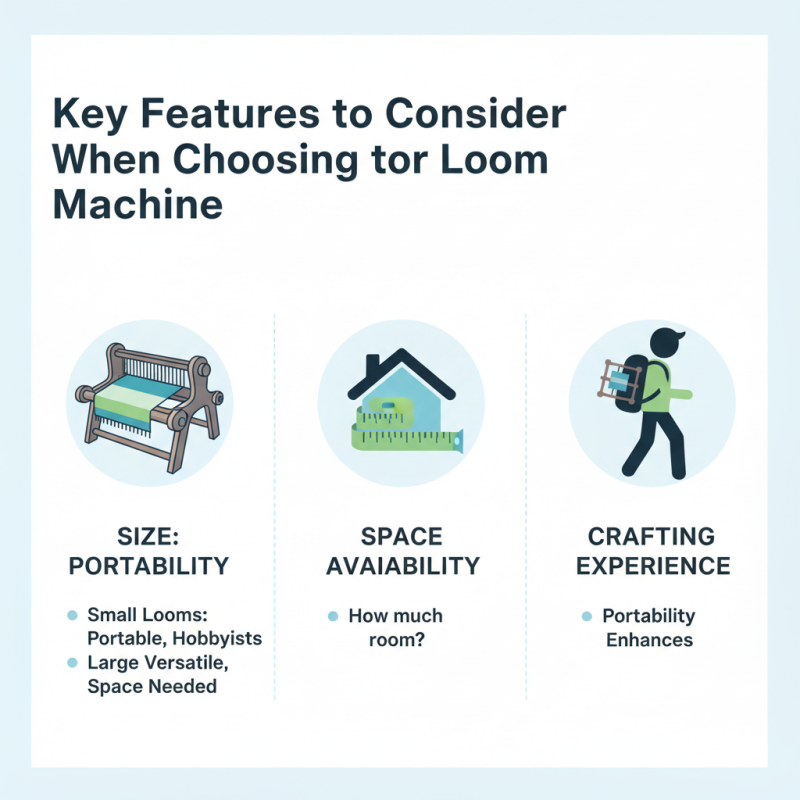
When choosing a loom machine, consider the type of weaving you aim to achieve. Different machines cater to unique techniques. For instance, a floor loom suits intricate designs, while a table loom is ideal for compact spaces. Tips for selecting the right loom include reviewing the weight capacity and
ease of threading. A good machine should enhance your workflow without sacrificing quality.
Efficiency is crucial in weaving, but it's important to balance speed and craftsmanship. Sometimes, faster machines can compromise attention to detail. Regular maintenance keeps your loom running smoothly. Pay attention to wear and tear; replacing parts timely helps prevent costly repairs. Investing in the right tools and practices ensures your weaving experience is both productive and fulfilling.
Top Loom Machine Brands for 2026 and Their Unique Offerings
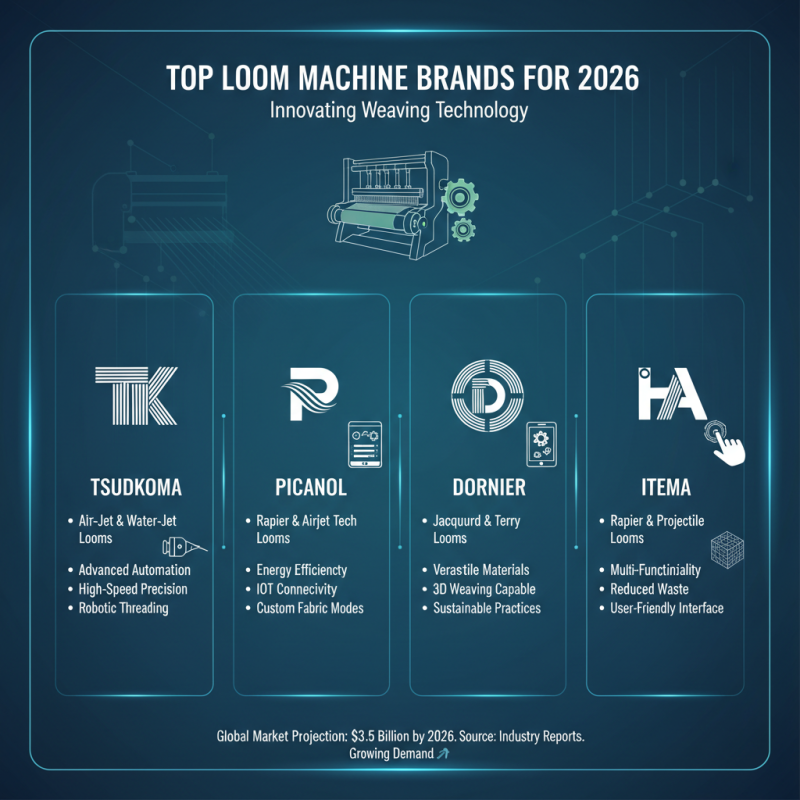
Choosing the right loom machine is critical for effective weaving. The landscape of weaving equipment is shifting rapidly, making it essential to stay updated on top brands in 2026. Reports indicate that the global weaving machine market is projected to reach $3.5 billion by 2026, reflecting a growing demand for advanced technology. Innovators are focusing on automation, speed, and multi-functionality, enabling weavers to achieve higher precision and efficiency.
Notably, brands are now placing great emphasis on user experience. Many have developed intuitive interfaces that streamline operations. For example, features like electronic pattern control are becoming standard. This shift aligns with industry studies highlighting improved productivity, suggesting that machines with smart technology can enhance output by up to 30%. However, it's crucial to remember that not all high-tech features are beneficial for every user. Weaving techniques vary widely, and what works for one artisan may hinder another.
As the industry evolves, experts encourage critical examination of claims made by leading manufacturers. Transparency in features and reliability remains a concern. In practice, users should assess whether the added complexity of certain machines aligns with their specific needs. The search for the best loom means navigating a landscape filled with both opportunities and potential pitfalls. Understanding these dynamics is essential for making informed choices in 2026.
Comparative Analysis of Manual vs. Digital Loom Machines
When considering the choice between manual and digital loom machines, we should reflect on their unique advantages.
Manual looms offer artisans a tactile experience. They foster creativity and a deep connection to the craft. Craftspeople can feel the material's texture and weight, leading to intuitive weaving choices. Industry reports suggest that about 40% of artisan weavers prefer this hands-on approach. It allows for spontaneity in designs that might be lost in automation.
On the other hand, digital loom machines provide remarkable efficiency. They can produce intricate patterns with precision. With the ability to program designs, they greatly reduce production time. A recent study indicated that digital looms can increase output by nearly 60% compared to manual options. However, this efficiency comes with a cost. Some artisans express concern over losing craftsmanship. The lack of physical interaction with the materials can diminish one's connection to the process.
Choosing between these options involves introspection. Each method has strengths worth considering. As the weaving industry evolves, balancing technology with tradition becomes crucial. Both approaches have their place, but understanding their implications is essential.
Tips for Maximizing Efficiency with Your Loom Machine
When working with a loom machine, maximizing efficiency is crucial for achieving high-quality results. One effective strategy is to organize your workspace. Having all necessary tools and materials within reach saves time and reduces frustration. A clutter-free area helps maintain focus. Utilize shelves and storage boxes to keep bobbins, threads, and patterns accessible.
Another key aspect is understanding your loom’s settings. Regularly consult the machine’s manual to explore different tension settings and weaving speeds. Experimenting with these can lead to improved results. For instance, adjusting tension can prevent thread breakage and ensure smoother weaving. Understanding these mechanics enhances your overall weaving experience.
Lastly, practice makes perfect. Each project offers lessons that refine your skills. Reflect on what worked and what didn’t. Perhaps the weaving speed was too fast, leading to mistakes. Adjusting your approach based on these reflections can significantly improve the outcome of future projects. Embrace the learning curve, and use each weaving session as an opportunity for growth.
Weaving Efficiency Comparison of Loom Machines