

2026 Best Weaving Technology for Global Buyers
The 2026 Best Weaving Technology for Global Buyers reflects a market shaped by automation, material efficiency, and measurable production quality. Modern looms can maintain stable tension while processing cotton, recycled polyester, technical fibers, and blended yarns. Sensors monitor warp alignment, fabric density, temperature, and machine vibration in real time. These details matter when a small tension error creates visible stripes across hundreds of meters.
Experienced buyers should examine more than machine speed. Weaving technology must match the intended fabric, yarn behavior, factory skills, and maintenance capacity. Air-jet looms may support high-volume production, while rapier systems can offer greater flexibility for heavier or delicate structures. Energy consumption, spare-part availability, operator training, and software compatibility also affect the real purchase cost.
Performance claims need evidence. Ask suppliers for production samples, test records, noise data, and documented service histories. Independent laboratory testing can verify strength, shrinkage, color performance, and fabric uniformity. Factory visits remain valuable. A clean control cabinet and clearly labeled components often reveal more than polished sales material.
No system is perfect.
A reliable evaluation should include recognized safety practices, responsible sourcing, and transparent warranty terms. Buyers should also review data protection arrangements for connected equipment. Some manufacturers provide excellent automation but weak local support. That weakness can become expensive during peak production. Technology choices should therefore balance output, reliability, environmental impact, and long-term serviceability. The best solution is not always the newest model. It is the system that performs consistently under real production conditions.
Weaving Technology in 2026: Core Systems and Industry Applications
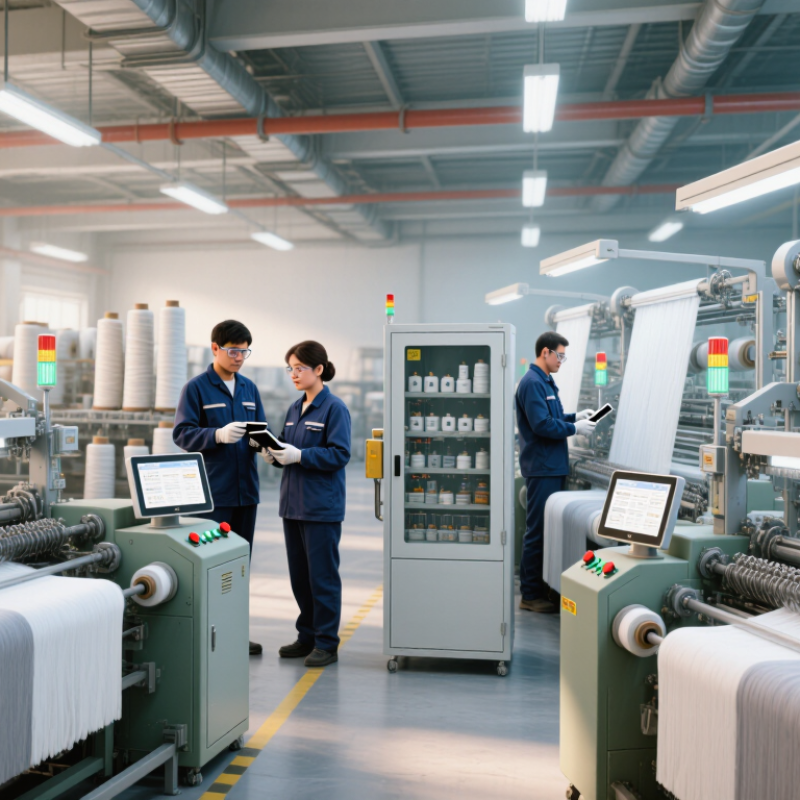
In 2026, weaving technology is moving toward connected, measurable production. Core systems include digital looms, electronic jacquard control, automatic tension adjustment, and real-time fabric inspection. These systems work together through production software and industrial sensors. A stable warp tension can reduce broken ends and improve surface consistency. Small details matter. Humidity control matters too.
In apparel factories, high-speed looms support lightweight shirts, uniforms, and technical fabrics. Home textile producers use programmable patterns for curtains, upholstery, and bedding. Industrial manufacturers need stronger structures for filtration cloth, conveyor materials, and protective textiles. Digital pattern control shortens sampling time and allows smaller production batches. Operators can adjust density, color placement, and yarn tension from a monitored workstation.
Reliable buying decisions require more than speed claims. Global buyers should examine energy use, spare-part access, operator training, data compatibility, and safety documentation. Factory trials should test actual yarns, not only standard samples. In practical evaluations, some machines perform well at normal speed but struggle with recycled fibers. That weakness deserves attention. No system is perfect. Maintenance teams may still need manual adjustments during seasonal humidity changes. Buyers should record downtime, fabric defects, and setup time across several production shifts. A lower purchase price can become expensive when training and service support are limited.
2026 Best Weaving Technology for Global Buyers - Weaving Technology in 2026: Core Systems and Industry Applications
| Technology / System | Operating Principle | Typical Working Width | Typical Speed Range | Suitable Materials | Main Applications | Key 2026 Technology Focus | Resource and Process Profile |
|---|---|---|---|---|---|---|---|
| Air-Jet Loom | Uses multiple air nozzles and a profiled reed to carry the weft across the shed. | Up to approximately 4.0 m, depending on configuration. | Approximately 600–1,200 rpm for many apparel and home-textile applications. | Cotton, polyester, blended yarns, technical filaments and other medium-to-fine yarns. | Shirting, bedding, lightweight home textiles, denim-related fabrics and industrial cloth. | Closed-loop air-pressure control, optimized nozzle timing, automatic style changes and predictive maintenance. | High productivity; electricity consumption is strongly influenced by compressed-air demand and loom width. |
| Rapier Loom | Rigid or flexible rapiers transfer the weft yarn through the shed, usually from one or both sides. | Commonly 1.5–4.0 m; wider configurations are available for special fabrics. | Approximately 300–700 rpm, depending on fabric construction and yarn type. | Cotton, linen, wool, silk, viscose, technical yarns, tapes and delicate or bulky yarns. | Fashion fabrics, upholstery, towels, terry-related constructions, furnishing textiles and technical fabrics. | Servo-controlled insertion, electronic let-off and take-up, low-tension handling and digital quality monitoring. | More versatile than air-jet technology; generally lower compressed-air demand but slower at high-volume production. |
| Projectile Loom | A small projectile carries the weft across the shed and is returned through a controlled picking system. | Approximately 1.9–5.4 m, with broad-width capability. | Approximately 200–500 rpm, depending on width and fabric weight. | Heavy cotton, wool, glass fiber, aramid, carbon fiber and other robust yarn systems. | Heavy fabrics, industrial textiles, broad-width fabrics, blankets and specialty constructions. | Automated projectile monitoring, electronic motion control and high-strength components for long production runs. | Stable for heavy and wide fabrics; mechanical complexity and lower speed require careful maintenance planning. |
| Water-Jet Loom | A high-speed water jet inserts the weft through the warp shed. | Typically up to approximately 2.3 m. | Approximately 500–1,000 rpm for compatible filament fabrics. | Hydrophobic synthetic filaments such as polyester, nylon and polypropylene. | Linings, taffeta, apparel fabrics, umbrella cloth and selected lightweight technical textiles. | Water-quality management, closed-loop water systems, corrosion-resistant components and automated fabric inspection. | Efficient for suitable synthetic yarns, but requires water circulation, filtration, drying and wastewater management. |
| Electronic Jacquard Shedding | Individually controls warp ends or groups of ends to create complex motifs and variable structures. | Determined by the base loom; commonly 1.5–3.6 m for apparel and home textiles. | Usually follows the speed limit of the selected air-jet, rapier or other loom platform. | Cotton, polyester, viscose, wool, silk, metallic yarns and mixed-fiber structures. | Damask, upholstery, decorative fabrics, towels, labels, fashion fabrics and customized designs. | Digital pattern preparation, rapid design changes, broken-end detection and integration with production-management software. | Adds design flexibility and reduces mechanical pattern-change work; electronic modules require clean, stable operating conditions. |
| Dobby Shedding System | Controls selected harness frames to produce repeating geometric patterns and basic 3D effects. | Determined by the base loom; frequently 1.5–3.6 m. | Typically compatible with medium-to-high loom speeds, depending on design complexity. | Cotton, linen, wool, polyester, blends and medium-weight technical yarns. | Shirting, denim, furnishing fabrics, checks, stripes, pique structures and textured textiles. | Electronic pattern control, recipe storage, automatic style change and reduced setup time. | A practical balance between pattern capability, productivity and operating cost for repeatable designs. |
| 3D Woven Textile System | Interlaces yarns in multiple directions or layers to form near-net-shape preforms and thick structures. | Usually application-specific rather than standardized; narrow and medium-width systems are common. | Lower than conventional apparel looms; output is evaluated by part geometry and preform productivity. | Carbon fiber, glass fiber, aramid, basalt, technical thermoplastics and engineered yarns. | Aerospace structures, automotive components, protective equipment, energy systems and composite preforms. | Automated fiber placement support, digital simulation, tension control and integration with resin-infusion processes. | Material-efficient and capable of reducing cutting waste; requires specialized engineering, tooling and quality control. |
| Smart Loom Monitoring | Uses sensors, edge controllers and software to collect operating, quality and maintenance data. | Applicable to most modern loom widths and shedding configurations. | Does not define loom speed; supports stable operation at the machine’s rated speed. | Suitable for apparel, home-textile and technical-textile production. | Condition monitoring, production traceability, defect detection, energy management and maintenance planning. | Machine connectivity, standardized data exchange, anomaly detection, digital work instructions and predictive maintenance. | Can reduce unplanned downtime and improve traceability; data quality, cybersecurity and operator training are essential. |
| Automated Warp Preparation | Combines electronic warping, sizing, drawing-in and knotting controls to prepare consistent warp beams. | Configured according to beam size, yarn count and production requirements. | Measured by warping or preparation throughput rather than loom rpm. | Cotton, polyester, viscose, wool, filament yarns and selected technical fibers. | Large-scale weaving mills requiring repeatable warp tension, fast style changes and reduced preparation errors. | Recipe-based control, automatic tension regulation, barcode or RFID-based material tracking and digital production records. | Improves warp consistency and reduces manual handling; sizing systems must manage chemical use, drying energy and wastewater. |
| Buyer Guidance for 2026: Select the weaving system according to yarn characteristics, fabric width, required pattern complexity, target productivity, available utilities, maintenance capability, digital-integration needs and environmental requirements. Speed figures are indicative industry ranges and vary with loom width, yarn count, fabric construction, insertion density and machine configuration. | |||||||
Related Posts
-

What Is the Best Textile Weaving Machine in China?
-
How to Find Top Cloth Weaving Manufacturers in China?
-
Top Types of Fabric Weaving Machines for Global Buyers
-
Top 10 Textile Weaving Manufacturers for Global Buyers
-
What Is Textile Weaving and How Does It Work?
-
10 Tips for Buying the Right Fabric Machine