

What Is the Best Textile Weaving Machine in China?
Choosing the best textile weaving machine in China is not a simple price comparison. The right model depends on fabric type, production volume, yarn characteristics, and factory conditions. A machine for lightweight cotton may perform poorly with dense upholstery fabric. Small differences matter.
During equipment evaluations, buyers should inspect the loom’s frame, shedding system, insertion method, control panel, and spare-parts access. A steady machine should run smoothly without excessive vibration. Listen closely. Unusual rattling may reveal alignment or maintenance problems. Ask suppliers for fabric samples, running videos, technical drawings, and documented performance data. Factory visits can provide stronger evidence than polished brochures.
Reliable manufacturers usually explain installation, operator training, warranty terms, and after-sales response times clearly. Their engineers should understand local power requirements, humidity, dust, and preventive maintenance. However, no supplier is perfect, and impressive automation does not guarantee profitable production. Some buyers focus too heavily on speed and overlook changeover time, energy consumption, or operator skill. That mistake can become expensive. This guide compares leading Chinese options through practical criteria, including weaving quality, machine durability, control precision, service support, and total ownership cost. It also considers real production risks, because laboratory performance may differ from a busy workshop. The final choice should match measurable business needs, not marketing language. A careful decision takes time. Sometimes, the “best” textile weaving machine is not the fastest model, but the one that remains stable, repairable, and productive every working day.
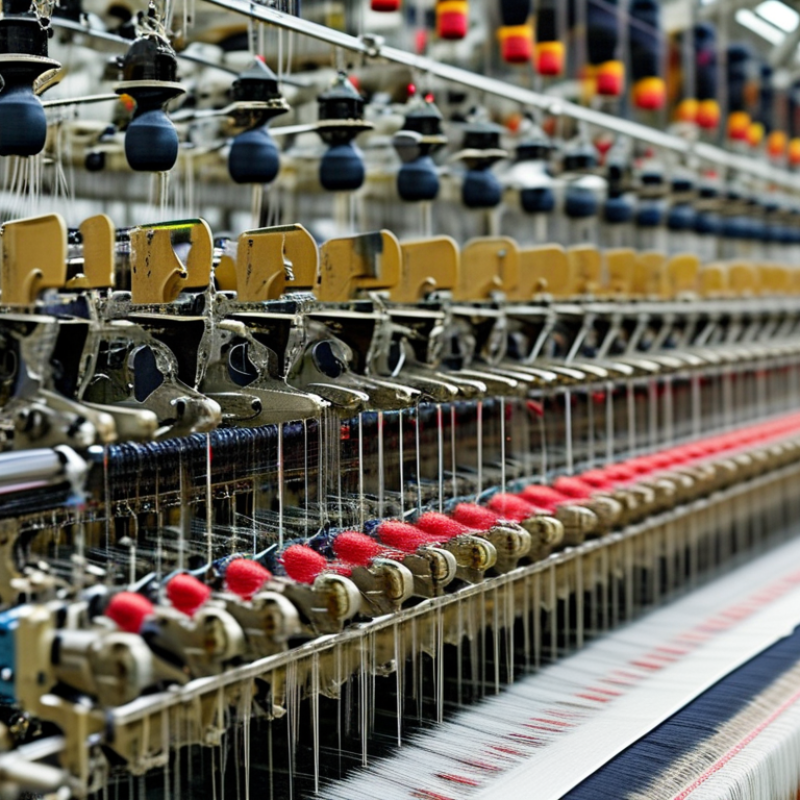
What Makes a Textile Weaving Machine the Best Choice in China?
What makes a textile weaving machine the best choice in China is not its price alone. It must match the fabric, yarn, factory scale, and local service capacity. ITMF’s 2023 International Textile Machinery Shipment Statistics recorded more than 150,000 shuttleless looms shipped worldwide. This shows strong demand, but shipment volume does not prove machine quality. A suitable loom should maintain stable warp tension, reduce weft breaks, and support quick style changes. Operators notice these details during long production shifts.
Energy use also deserves close attention. The International Energy Agency reports that industrial motors and related systems account for a significant share of global electricity consumption. Therefore, buyers should compare energy use per meter of fabric, not only motor power. Easy access to spare parts, clear maintenance records, and technician response times matter in China’s competitive production environment. ISO 9001-based quality systems can add confidence, but factory testing remains essential.
A practical trial is still better than a polished brochure. Test the machine with your actual yarn and target fabric. Check edge formation, noise, vibration, and fabric defects after several hours. Some machines look efficient at first. They may perform poorly after adjustment errors or humid weather. The best choice is often the one that operators can understand, maintain, and improve without constant outside help. Perfect performance is unlikely. Reliable performance is more valuable.
What Is the Best Textile Weaving Machine in China? - What Makes a Textile Weaving Machine the Best Choice in China?
Comparison of common shuttleless weaving technologies and the factors that determine the best choice for a textile mill in China
| Machine Type | Typical Weft Insertion Rate | Common Reed Width Range | Suitable Fabric Materials | Best Use Cases | Main Advantages | Main Limitations | Relative Investment Level | Overall Suitability in China |
|---|---|---|---|---|---|---|---|---|
| Air-Jet Loom | Approximately 600–1,200 m/min, depending on fabric construction and machine width | About 1.9–3.6 m for common industrial configurations | Polyester, cotton, blended yarns, lightweight and medium-weight fabrics | High-volume production of standard-width fabrics | Very high production speed; suitable for mass production; good automation potential; relatively low mechanical contact with the yarn | Requires compressed air; air consumption can increase operating cost; less suitable for very heavy, highly textured, or unstable yarns | High | ★★★★★ |
| Rapier Loom | Approximately 300–700 picks/min, depending on fabric type and width | About 1.5–3.4 m, with wider special-purpose configurations available | Cotton, linen, wool, silk, viscose, technical yarns, textured and blended yarns | Flexible production involving multiple fabric styles and frequent product changes | Handles a wide range of yarns; supports many weft colors; suitable for delicate, heavy, patterned, and technical fabrics | Generally slower than air-jet and water-jet looms; more mechanical components require regular maintenance | Medium to high | ★★★★★ |
| Water-Jet Loom | Approximately 600–1,500 picks/min, depending on fabric construction and machine width | About 1.5–2.8 m for common fabric applications | Hydrophobic filament yarns such as polyester, nylon, and polypropylene | High-speed production of lightweight synthetic filament fabrics | High operating speed; comparatively simple weft insertion; suitable for fine synthetic fabrics | Requires water treatment and wastewater management; unsuitable for absorbent natural fibers; humidity control is important | Medium | ★★★★☆ |
| Projectile Loom | Approximately 250–500 picks/min, depending on fabric weight and width | About 1.9–5.4 m, including wide-width applications | Heavy cotton, wool, fiberglass, aramid, canvas, denim, and other technical yarns | Wide, heavy, dense, or technically demanding fabrics | Strong weft insertion capability; suitable for wide looms and heavy constructions; can process demanding technical materials | Lower speed than air-jet and water-jet technologies; higher mechanical complexity; maintenance and setup can be demanding | High | ★★★★☆ |
| Narrow Fabric Needle or Shuttleless Loom | Often approximately 500–1,500 picks/min, depending on product type and width | Typically below 0.3 m per fabric strip; multiple strips may be produced simultaneously | Polyester, polypropylene, nylon, cotton, and elastic yarns | Tapes, webbing, labels, elastic bands, straps, and narrow technical fabrics | Efficient for narrow-width products; supports multiple lanes; compact production footprint | Not designed for standard-width fabric production; product flexibility depends strongly on reed and pattern configuration | Low to medium | ★★★★☆ |
| Electronic Jacquard-Compatible Loom | Commonly approximately 250–700 picks/min, depending on base loom and design complexity | About 1.5–3.4 m for many apparel and home-textile applications | Cotton, polyester, viscose, wool, silk, blended, and decorative yarns | Complex patterns, upholstery, decorative fabrics, labels, and customized textile designs | High design flexibility; digitally controlled pattern formation; suitable for short runs and customized production | Higher purchase cost; pattern preparation requires skilled technicians; complex designs can reduce production speed | High | ★★★★☆ |
Selection guidance: For high-volume synthetic fabric production, an air-jet or water-jet loom is often the most productive option. For diversified orders, natural fibers, technical fabrics, or frequent style changes, a rapier loom is usually more versatile. Projectile looms are better suited to wide and heavy fabrics. Actual speed, width, energy use, output, and cost depend on yarn count, fabric density, machine configuration, plant utilities, operator skill, and maintenance conditions.
Related Posts
-

2026 Top Weaving Machine Innovations and Trends to Watch?
-
How to Choose the Right Weaving Machine for Your Textile Projects?
-
What is a Loom Weaving Machine and How Does It Work?
-
What is a Fabric Weaving Machine and How Does It Work?
-
Top 10 Smit Weaving Machine Features You Need to Know
-
2026 Best Fabric Weaving Machine Options for Quality Production?