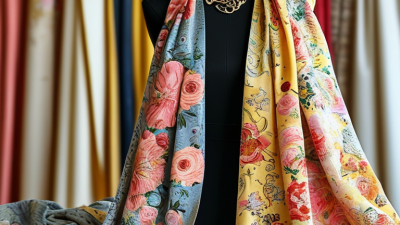
Top 10 Italian Fabric Suppliers for Global Sourcing
Global sourcing is changing. Buyers now assess fabric quality, traceability, lead times, and environmental claims together.
Textile Exchange’s Materials Market Report 2024 estimates that global fiber production reached 124 million tonnes in 2023. It may approach 160 million tonnes by 2030. This growth increases pressure on mills, brands, and sourcing teams. Italian fabric suppliers remain important because they combine specialized craftsmanship with technical production. Their strengths often include wool, silk, linen, cotton, and performance blends.
The Italian Trade Agency and Confindustria Moda regularly highlight Italy’s strong textile and apparel export base. However, country-level figures can combine different product categories. Buyers should read the methodology carefully. This matters when comparing mills, distributors, and vertically integrated manufacturers.
This guide introduces the Top 10 Italian Fabric Suppliers for Global Sourcing. It focuses on practical sourcing evidence, not polished claims alone. Each supplier should be reviewed through fabric samples, fiber composition, certifications, minimum order quantities, and delivery terms. Ask for current test reports. Confirm whether production occurs in Italy or elsewhere.
Small details reveal operational reliability. A mill’s response to a shade correction can matter more than its showroom. So can a clearly labeled roll, consistent selvage, or realistic replenishment date.
Italian fabric can be expensive. That does not automatically mean it is better. Nor does a lower price prove poor quality. Supplier selection requires comparison, verification, and patience.
No supplier is flawless. This list is a starting point, not a guarantee. Buyers should still conduct audits, request documentation, and test performance before placing commercial orders.
Italian Textile Manufacturing: Industry Heritage and Global Reputation
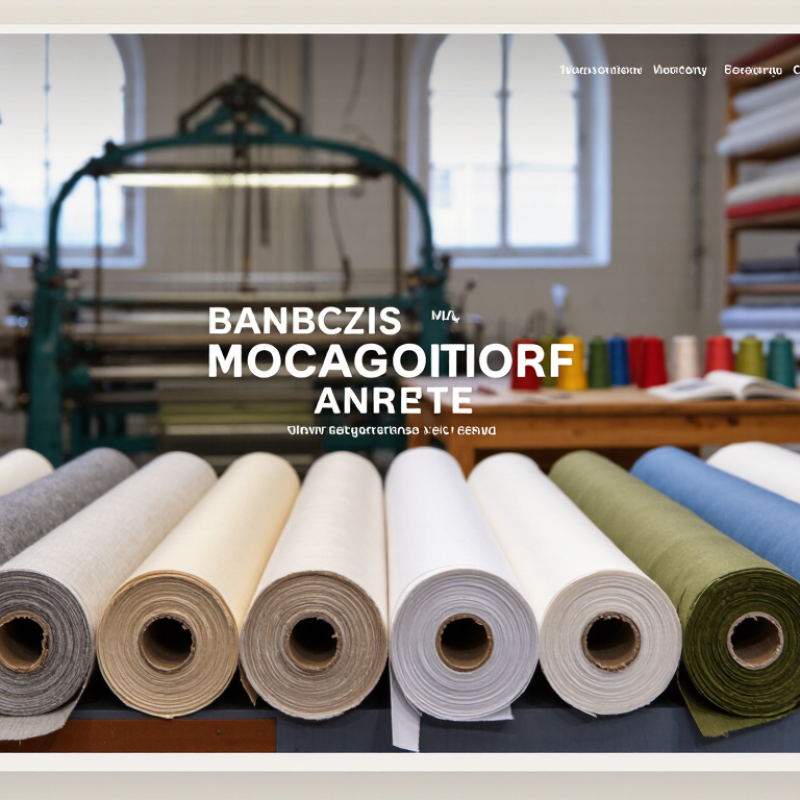
Italian textile manufacturing rests on centuries of regional skill, careful material selection, and patient production methods. In northern districts, workshops still inspect yarn by hand before weaving begins. In other areas, advanced machinery controls tension, color, and fabric weight with remarkable precision. This balance gives Italian textiles a distinctive reputation in global sourcing.
A reliable supplier should provide clear fiber records, production details, and realistic delivery schedules. Buyers often examine sample books under natural light, then compare softness, recovery, and surface consistency. Factory visits can reveal practical details that brochures omit, such as organized cutting rooms, clean storage areas, and documented quality checks. These observations support better decisions than reputation alone.
Italian mills also serve demanding sectors, including apparel, interiors, and technical textiles. Their strengths often include refined finishing, flexible development, and close communication with international buyers. Yet the industry is not flawless. Small production runs may cost more, and lead times can change during busy seasons. Some traditional processes also require careful modernization. Responsible sourcing means asking difficult questions about traceability, labor practices, environmental controls, and testing results. Trust grows through evidence, not elegant presentation.
Italian Textile Manufacturing: Export Performance and Global Reputation
Italy’s textile and clothing exports recovered strongly after the 2020 disruption, reaching more than €35 billion annually in the latest period shown.
Approximate export values for textiles and clothing, including HS/CN chapters 50–63. Source: Eurostat Comext and Italian National Institute of Statistics (ISTAT), rounded to the nearest €0.1 billion.
Key Criteria for Evaluating Italian Fabric Suppliers
Top 10 Italian Fabric Suppliers for Global Sourcing
When evaluating Italian fabric suppliers, begin with traceability, not appearance alone. Request fiber details, origin records, dyeing location, and current compliance documents. A beautiful swatch means little if the production lot changes noticeably. Ask for a 1–2 meter sample, then compare it with bulk fabric under daylight and store lighting.
Check technical performance before discussing price. Review weight, width, shrinkage, colorfastness, abrasion resistance, and pilling results. For apparel, test the fabric after washing and pressing. For upholstery, request stronger abrasion data. Certification can support credibility, but verify its scope and validity. A certificate may cover one facility, not every subcontractor.
Capacity and communication also reveal supplier reliability. Confirm minimum order quantities, lead times, reorder flexibility, and emergency production options in writing. A capable supplier should explain delays clearly and provide realistic updates. Visit the mill or request a live video inspection when possible. Look at cutting tables, storage conditions, labeling, and moisture protection.
No scorecard is perfect. A smaller supplier may offer better technical advice but struggle with sudden volume. A large mill may provide stable output yet respond slowly to custom requests. I would score each supplier across quality, consistency, service, documentation, and total cost. Keep room for judgment. The cheapest quote can become expensive after rejected rolls, missed deliveries, or repeated lab testing.
Top Italian Fabric Suppliers for International Buyers
International buyers evaluating Italian fabric suppliers should look beyond reputation. Italy’s textile districts offer different strengths, from fine wool and silk to technical and recycled fabrics. Como is widely associated with refined lightweight textiles, while Prato is known for wool processing and recycled materials. Biella remains important for high-quality wool production. Supplier capability varies greatly, even within one district.
The 2024 Textile Exchange Materials Market Report estimated global fiber production at 124 million tonnes in 2023. It also projects growth to about 160 million tonnes by 2030. This pressure makes traceability essential. Buyers should request fiber composition, origin records, colorfastness results, shrinkage data, and applicable chemical compliance documents. The Global Textile Industry Survey from the International Textile Machinery Federation reported continued uncertainty across textile markets in 2024. Flexible minimum orders and reliable lead times therefore matter as much as fabric appearance.
Sampling should be practical. Test a roll after washing, pressing, abrasion, and repeated handling. Ask whether production matches the approved sample. It sometimes does not. International buyers should also compare delivery terms, payment conditions, inspection procedures, and contingency plans. Certifications can support credibility, but they do not replace independent verification. A supplier with clear technical sheets and prompt answers is often easier to manage than a larger supplier with limited documentation. This shortlist should remain provisional, because prices, capacity, and sustainability evidence can change between seasons.
Fabric Categories, Certifications, and Customization Options
Top 10 Italian Fabric Suppliers for Global Sourcing
Italian fabric suppliers typically cover wool, cotton, linen, silk, viscose, recycled synthetics, and technical blends. This range supports suiting, shirting, luxury knitwear, uniforms, and performance clothing. Textile Exchange’s Materials Market Report 2024 states that global fiber production reached 124 million tonnes in 2023. Polyester represented about 57% of output, making recycled and certified synthetic options increasingly important during supplier evaluations.
Certification details deserve close inspection. GOTS can support organic-fiber claims, while GRS verifies recycled content and chain-of-custody controls. OEKO-TEX STANDARD 100 focuses on harmful-substance testing in finished textile products. However, a certificate alone is not enough. Buyers should check the certificate scope, validity dates, production site, and transaction documentation. The report also shows continued growth in recycled polyester, but recycled claims may vary by material percentage and supply-chain evidence.
Customization often includes fiber composition, yarn count, fabric weight, dyeing method, finishing, width, color matching, and minimum order quantity. A practical test might compare a 260-gram wool blend, a 180-gram organic cotton twill, and a 140-gram recycled polyester lining. Ask for lab dips and wash-test results. Small differences matter. I have found that a soft hand-feel can weaken after repeated laundering, despite attractive initial samples. Some suppliers also offer digital printing, water-repellent finishes, and deadstock development. These options save time, but technical specifications should be recorded before bulk production.
Sourcing Process, Pricing Factors, and Import Considerations
Top 10 Italian Fabric Suppliers for Global Sourcing
Selecting among Italy’s leading fabric suppliers requires more than comparing samples. Request a technical sheet, composition report, MOQ, production lead time, and recent test results. Eurostat’s Comext database shows Italy remains a major European textile exporter, supported by specialized regional production networks. In practice, visit the mill when possible. A fabric roll can look excellent under showroom lighting but reveal shade variation outdoors.
Pricing depends on fiber content, yarn count, fabric weight, construction, dyeing, finishing, and order volume. Natural fibers and complex blends usually require tighter quality control. Energy, labor, currency movements, and certification costs also affect quotations. The Euratex Key Figures report places Europe’s textile and clothing industry turnover above €160 billion, showing the sector’s scale but not uniform pricing. Ask for both a sample price and a production price. They are often surprisingly different.
Import planning should start with the correct HS code and destination tariff. Check the EU TARIC database, applicable VAT, rules of origin, and required commercial documents. For chemical safety, request evidence supporting REACH-related compliance and restricted-substance testing. UN Comtrade data can help benchmark Italian fabric imports against competing origins, although product classifications are imperfect. That limitation matters. Include Incoterms, inspection responsibility, carton details, and tolerance levels in the purchase contract. A low factory price may become expensive after freight, customs, testing, and rejected rolls.
Related Posts
-
How to Source Quality Italian Fabric for Your Business?
-
Tips for Choosing the Best Italian Fabric for Your Projects?
-
How to Choose the Best Italian Fabric for Your Fashion Needs?
-

Why Italian Fabric Is Highly Valued in Fashion and Design?
-
What is a Smit Loom and How Does it Work?
-
How to Find the Best Fabric Suppliers Worldwide?