What Are the Best Home Textile Trends for Global Buyers?
In the ever-evolving world of home textiles, trends play a crucial role in shaping consumer preferences and industry standards. According to Clara Yang, a renowned expert in home textile innovation, “Understanding the latest trends is essential for buyers to make informed choices.” Her perspective underscores the importance of staying updated in this dynamic market.
Home textiles encompass a wide range of products, from bedding to curtains, impacting aesthetics and functionality in our living spaces. Currently, sustainability and eco-friendly materials are becoming paramount. Brands are increasingly adopting practices that reflect a commitment to the environment. The demand for organic fabrics is rising, yet some manufacturers struggle to balance quality with sustainability.
Moreover, personalization stands out in consumer preferences. Buyers seek unique, customizable options that echo their individual style. However, this trend presents challenges for producers. They must maintain efficiency while also meeting diverse customer needs. As buyers navigate these trends, staying informed can lead to better purchasing decisions and elevate their home environments.
Emerging Patterns and Colors in Home Textiles for 2023
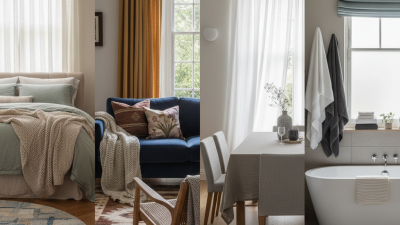
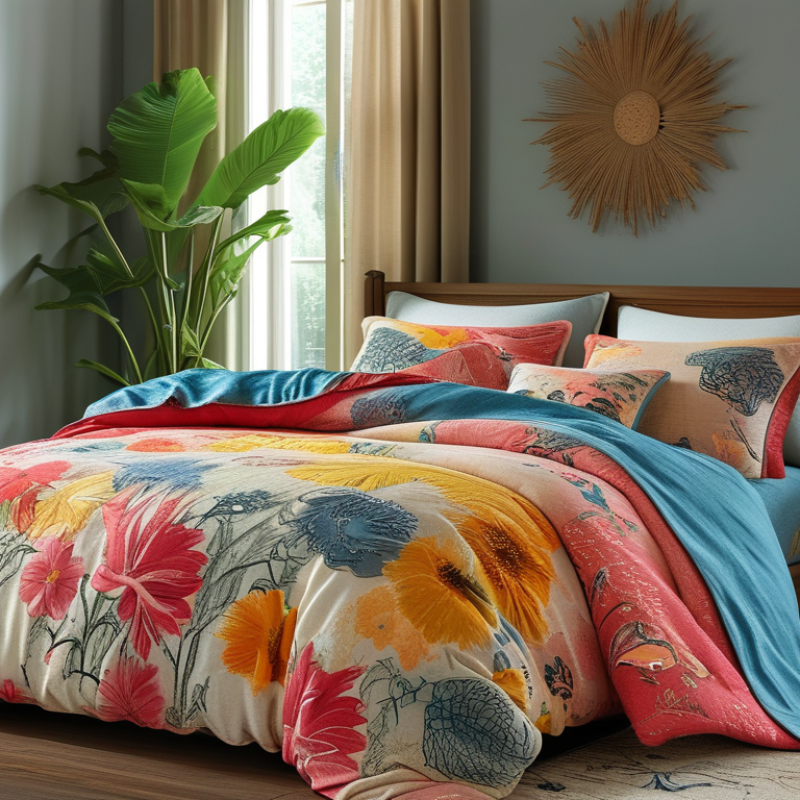
As we move into 2023, home textile trends are shaped by emerging patterns and colors that reflect our daily lives. Bold geometrics are making a statement, adding a touch of modernity to various interiors. These designs invite visual interest and can transform any living space. For those seeking comfort, softer florals in muted colors are gaining popularity, creating a soothing atmosphere.
Color palettes are shifting too. Earthy tones such as terracotta and olive green are prevalent this year. These shades connect us to nature, fostering a sense of calm. Vibrant accents like deep blues and rich yellows contrast beautifully with these neutrals. It's crucial to balance bold hues with softer tones to avoid overwhelming a space.
Interestingly, some trends may not resonate with everyone. While maximalism embraces vibrant patterns, minimalism can feel stark. Finding harmony can be challenging. Buyers are encouraged to experiment with different styles. Personal taste should guide choices, ensuring each piece feels authentic. As trends evolve, reflection on what works best for individual spaces remains essential.
Home Textile Trends for 2023
Sustainable Materials: Eco-Friendly Choices for Home Textile Products
Sustainable materials are increasingly vital in the home textile industry. Eco-friendly choices not only benefit the environment but also appeal to conscious consumers. Fabrics made from organic cotton, linen, and recycled fibers are gaining popularity. These materials reduce chemical usage and minimize waste. They often come with certifications, assuring buyers of their environmental impact.
However, the market faces challenges. Sourcing sustainable materials can be more expensive. Not all production processes are transparent, raising concerns about authenticity. Moreover, the durability of eco-friendly textiles varies significantly. Some products may fall short in performance, requiring reflection on consumer expectations.
Incorporating sustainable textiles into home decor is an evolving trend. Textiles like hemp and Tencel are emerging as strong contenders. These materials are not only eco-friendly but also offer a unique texture and aesthetic. Shoppers must evaluate their options carefully. Balancing sustainability with quality and style is crucial for a responsible choice.
Innovative Textile Technologies Transforming Home Decor
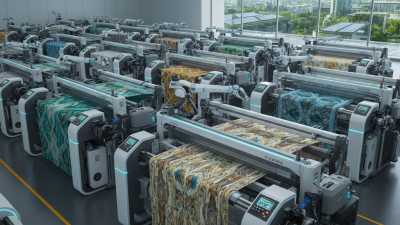
Innovative textile technologies are reshaping home decor, presenting options that blend utility with aesthetics. For instance, smart fabrics can adapt to changes in temperature or light, enhancing comfort. A report by the Global Home Textile Market states that the smart textiles segment is expected to grow significantly, reaching a valuation of $6.5 billion by 2025. This growth demonstrates the industry's shift towards multifunctional products.
Sustainability plays a crucial role in textile innovation. Consumers increasingly demand eco-friendly materials. According to a study by Textile Exchange, organic cotton production increased by 25% in recent years, reflecting a broader trend. Manufacturers are exploring biodegradable fabrics that reduce waste. However, challenges remain. Some sustainable options may compromise durability or affordability.
Moreover, digital printing techniques have revolutionized fabric design. This process allows for customization, catering to consumer preferences. Digital printing has seen a 15% rise in usage among home textile producers. Yet, transitioning to this technology requires investment and training, which can be a barrier for smaller manufacturers. Balancing innovation with practical challenges continues to be a central theme in the home textile industry.
Cultural Influences Shaping Global Home Textile Designs
Cultural influences significantly shape global home textile designs. From Eastern elegance to Western minimalism, textiles reflect unique traditions. A recent report shows that cultural elements drive 70% of consumer preferences in home decor. This trend highlights the importance of understanding regional aesthetics.
Colors, patterns, and materials tell stories. For example, Japanese motifs often embrace nature, while Scandinavian designs focus on simplicity and functionality. Buyers should consider these cultural nuances to create appealing products. This approach can lead to a 25% increase in market engagement according to industry experts.
Tips: Incorporate local motifs to connect with consumers. Research cultural symbols that resonate with regional customers. Analyze sales data to identify preferred styles. Adapting designs to reflect cultural significance is not just trendy; it’s essential for differentiation in a competitive market. Recognizing the impact of culture fosters authenticity in home textiles.
Versatile Textiles: Multi-Functional Uses in Modern Home Decor
In modern home decor, versatile textiles take center stage. Multi-functional fabrics are no longer just practical; they redefine aesthetics and comfort. Think of a sofa cover that doubles as a blanket. This not only provides warmth but also adds texture to the living space. Homeowners are increasingly opting for textiles that serve various purposes.
Another trend is curtains that offer insulation and blackout features. They guard against outdoor noise and light disruption while enhancing room style. Textiles like these demonstrate the blend of utility and design. They can be reimagined in different colors and patterns, aligning with changing seasons and moods.
However, the challenge lies in selecting the right fabric. Not all textiles can withstand heavy use. Homeowners need to consider durability, maintenance, and comfort. Poor choices can lead to quick wear and tear. Reflecting on how well textiles withstand time is crucial for creating a lasting home ambiance.