
What Are the Best Fabric and Fabric Suppliers in China?
Choosing the right fabric supplier in China requires more than comparing prices on a marketplace. Buyers must examine fiber content, weaving quality, dye consistency, production capacity, and communication standards. This guide explores the best fabric and fabric suppliers for apparel, home textiles, uniforms, and technical applications. It focuses on practical evidence, not attractive catalog photographs.
A dependable supplier should provide clear specifications, recent samples, testing documents, and realistic delivery estimates. Ask about GSM, width, shrinkage, colorfastness, and minimum order quantities before negotiating. A sample roll can reveal problems that digital images hide. Uneven dyeing. Loose threads. An unpleasant finish.
China’s textile regions offer different strengths. Zhejiang and Jiangsu are widely associated with woven fabrics, while Guangdong has strong apparel and manufacturing connections. Shaoxing is also known for broad textile markets and production networks. However, location alone does not prove reliability. Factory audits, verified business records, transparent invoices, and consistent sample results matter more.
Experienced sourcing teams usually test fabric after washing, stretching, and repeated handling. They also compare laboratory results with the supplier’s claims. Certification may support responsible sourcing, but it should be independently checked and kept current. Some suppliers communicate well before receiving an order, then respond slowly afterward. That risk deserves attention.
No supplier is perfect. Delays, shade variation, and changing raw-material costs can still occur. A strong purchasing decision includes backup suppliers, written quality standards, and documented correction procedures. The following sections assess supplier capabilities, product ranges, quality controls, pricing factors, and selection methods for buyers seeking dependable long-term partnerships.
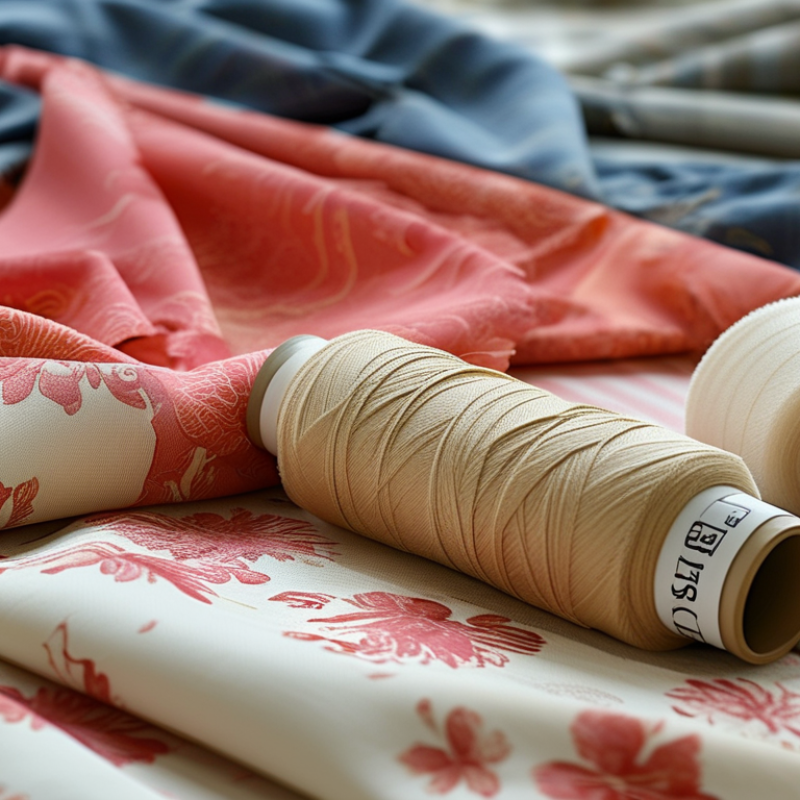
What Defines a High-Quality Fabric Supplier in China?
A high-quality fabric supplier in China is defined by process control, not a polished online catalog. The supplier should explain fiber origin, yarn count, fabric weight, width, shrinkage, and colorfastness with clear records. In practical sourcing work, I would request production samples from different lots. One perfect swatch proves little.
The scale of the industry makes verification more important. Textile Exchange’s Materials Market Report 2024 states that global fiber production reached 124 million tonnes in 2023 and may reach 160 million tonnes by 2030. A reliable supplier should therefore show how it manages consistency at volume. Ask for lot records, laboratory test results, inspection procedures, and realistic lead times. Small details matter. A 2% width variation can disrupt cutting plans.
Traceability is another defining measure. UNEP’s 2023 report on sustainable and circular textile value chains highlights traceability and measurable environmental information as important industry needs. Suppliers should identify mills, dyeing facilities, recycled content, wastewater controls, and energy data without vague claims. Factory visits help, but they are not perfect. No audit catches everything. Buyers should also compare shipment samples with approved standards and review corrective actions. Communication quality matters, too. A supplier who admits a dyeing delay may be safer than one promising impossible delivery dates. Quality is not only the fabric’s feel; it is the evidence behind every roll.
Which Types of Fabric Are Commonly Produced in China?
China produces a remarkably broad range of fabrics, from lightweight linings to heavy industrial canvas. Polyester is the dominant category. Textile Exchange’s Materials Market Report 2024 estimates that polyester represented about 57% of global fiber production in 2023. China supplies a major share of this capacity, especially for woven polyester, knitted jersey, fleece, mesh, and recycled polyester fabrics.
Cotton remains important for shirts, bedding, denim, and workwear. China also produces cotton blends, rayon, modal, nylon, acrylic, and elastane mixtures. Each material changes the fabric’s feel, strength, shrinkage, and care requirements. A 2023 report from China’s National Bureau of Statistics showed continued large-scale output from textile manufacturing, although production volume alone does not prove consistent quality.
During supplier checks, buyers should request fabric composition tests, GSM measurements, colorfastness results, and shrinkage data. Polyester may feel smooth but trap heat in poorly designed garments. Cotton feels familiar, yet it can crease and shrink. Recycled fibers can support lower-impact sourcing, but certification and chain-of-custody documents need careful verification. The preferred fabric depends on use, not simply price. Even experienced buyers sometimes overlook finishing quality, especially coating adhesion and edge stability. A small laboratory sample can reveal problems before bulk production begins.
How to Identify the Best Chinese Fabric Suppliers
Finding a capable Chinese fabric supplier requires more than comparing prices. China remains a major sourcing market. The WTO’s World Trade Statistical Review 2024 reported about 293 billion US dollars in Chinese textile and apparel exports during 2023. That scale creates choice, but also inconsistency.
Start by checking the supplier’s legal registration, factory address, production equipment, and export history. Request recent fabric samples, not only digital photographs. Test weight, width, colorfastness, shrinkage, and fiber composition through an independent laboratory. Textile Exchange’s Materials Market Report 2024 states that polyester represented roughly 57% of global fiber production in 2023. Therefore, confirm recycled claims with transaction certificates and chain-of-custody records. Paperwork matters.
Ask for monthly capacity, minimum order quantity, lead time, and defect-control procedures. Compare these details with your actual order plan. A low quote may hide unstable dyeing or weak after-sales support. I have seen buyers focus too heavily on sample appearance. Production batches can differ. Require a pre-production sample and a written inspection standard. The supplier should explain corrective actions clearly, preferably with dated records and measurable results. Video calls can help, but they cannot replace an onsite audit or independent inspection. My own sourcing judgment would remain cautious when a supplier refuses factory verification, changes payment terms suddenly, or avoids technical questions. Human judgment still has limits. Check twice.
What Factors Should You Compare Before Choosing a Supplier?
Choosing a Chinese fabric supplier requires more than comparing quotations. Textile Exchange’s Materials Market Report 2024 recorded global fiber production at 124 million tonnes in 2023. This scale increases the need for traceable, consistent sourcing. Ask suppliers for fiber origin, batch records, dyeing locations, and current certification documents. A certificate matters, but it does not prove every shipment is perfect.
Compare minimum order quantity, sampling fees, production capacity, and realistic lead times. Request a pre-production sample and test fabric weight, shrinkage, colorfastness, pilling, and seam performance. In factory assessments, I also check whether workers can explain the inspection process. That small detail often reveals operational discipline. Laboratory results help, but internal quality records show daily behavior. Do not trust polished samples alone.
Logistics deserves equal attention. The World Bank’s Logistics Performance Index 2023 evaluates customs, infrastructure, tracking, and delivery timeliness. Ask how the supplier handles port delays, holiday shutdowns, and fabric shortages. Compare response times, packaging standards, payment protection, and corrective-action procedures. Price is only one variable. A cheaper roll with uneven dyeing can create cutting waste and missed production windows. I have sometimes overvalued a low quotation; that mistake is expensive. Review at least three comparable suppliers, using the same technical specification and testing method.
How to Verify Quality, Pricing, and Production Capabilities
Choosing fabric suppliers in China requires more than comparing online catalogs. Quality must be checked through physical samples. Request the exact fiber composition, fabric weight, width, weave, and finishing details. Measure GSM with a small cutting scale, not by touch alone.
Ask for shrinkage and colorfastness test results. Then wash a sample at least three times. Watch for twisting, fading, pilling, or uneven edges.
Pricing needs a clear breakdown. Compare fabric cost, sampling fees, minimum order quantities, packaging, inspection, and shipping terms. A low quotation may hide expensive finishing or high defect rates.
Request a formal quotation with currency, delivery time, payment stages, and validity dates. Keep every revision in writing.
Numbers can change quickly. That matters.
Production capability should match your actual order, not only the supplier’s claims. Ask how many looms, knitting machines, dyeing lines, and inspection stations are available. Check recent production photos and request a video tour or independent factory audit.
Confirm monthly capacity, sample lead time, bulk lead time, and backup plans for equipment failure. Speak with the quality manager, not only the salesperson.
One practical lesson is uncomfortable: a perfect sample does not guarantee consistent bulk production.
Approve a pre-production sample, define acceptable defect limits, and inspect finished rolls before shipment. No checklist is perfect. Recheck critical details.
Related Posts
-
Top 10 Best Fabrics for a Sustainable Fabric World?
-

2026 Best Fabric Weaving Techniques and Innovations for Textile Industry?
-
How to Choose the Right Textile Fabric for Your Project?
-
Top Types of Textile Fabric for Fashion and Home Decor Options?
-
2026 How to Navigate the Fabric World for Sustainable Choices?
-
How to Choose the Best Textile Fabric for Your Projects?