2026 Top Cloth Weaving Trends and Innovations for Buyers?
As we approach 2026, the world of cloth weaving is poised for significant transformations. Innovations in techniques and materials are reshaping this age-old craft. Buyers must stay informed to make wise purchasing decisions.
In recent years, advancements in technology have influenced cloth weaving dramatically. Automated machinery and eco-friendly materials are gaining popularity. These innovations aim to enhance sustainability without sacrificing quality. However, some traditional weavers express concerns about losing their artisanal touch. This tension between modernization and tradition invites ongoing dialogue.
The market is seeing an increase in demand for unique, customizable fabrics. Buyers should consider how these trends reflect broader consumer preferences. As we navigate through these changes, a keen understanding of the cloth weaving landscape will be essential. Keeping an open mind about emerging trends will benefit all stakeholders involved.
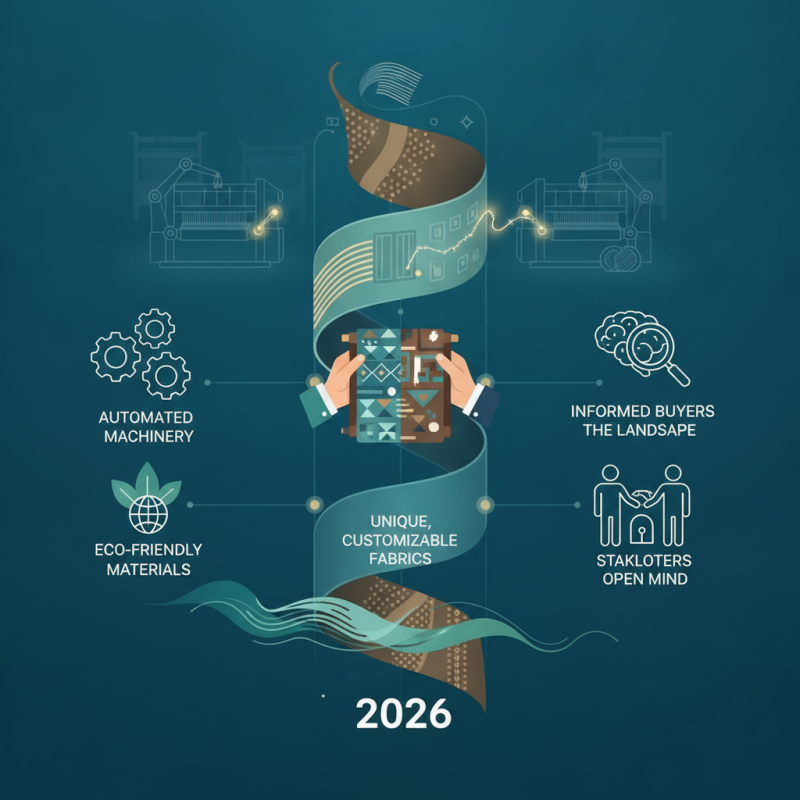
2026 Overview of Cloth Weaving Trends for Buyers
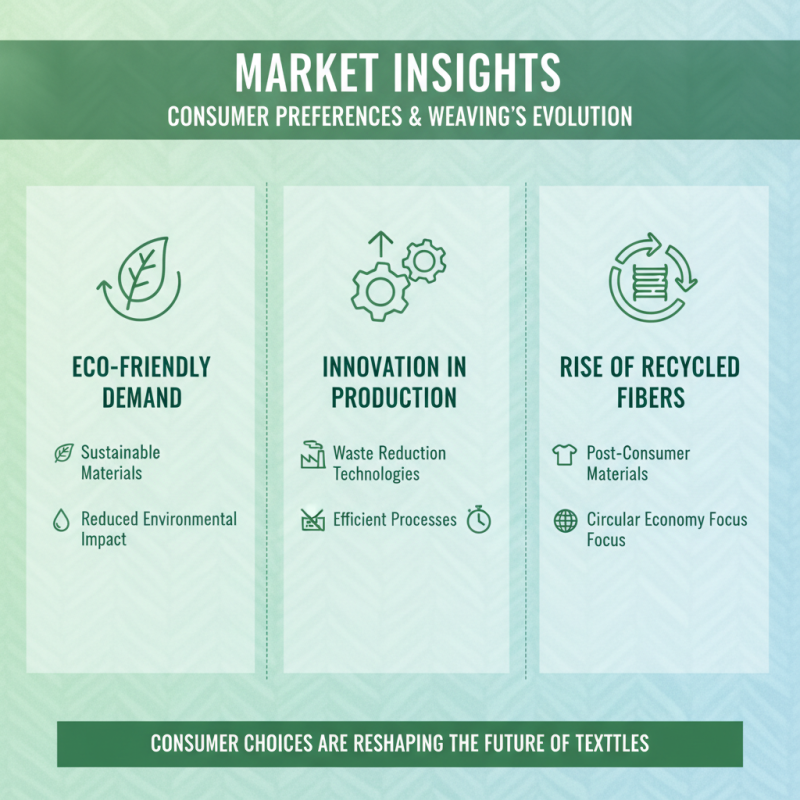
As we approach 2026, significant trends are reshaping the cloth weaving industry. The demand for sustainable fabrics continues to rise, with over 70% of buyers prioritizing eco-friendly options. These buyers are increasingly influenced by rising consumer awareness regarding environmental issues. As a result, materials such as organic cotton and recycled polyester are gaining prominence.
Technology plays a pivotal role in these developments. Innovations like automated weaving machines and AI-driven design tools are enhancing efficiency and precision. Data shows that such technologies can reduce manufacturing time by up to 30%. However, integrating these advancements presents challenges. Many manufacturers struggle with the initial investment, raising questions about scalability and long-term viability.
Consumer preferences are also shifting towards customization. A study revealed that nearly 60% of buyers prefer personalized fabrics that reflect their individual styles. This trend pushes manufacturers to rethink traditional production processes. While customization enhances customer satisfaction, it complicates inventory management. Balancing these demands will require a strong focus on efficient supply chain practices and adaptive design.
Sustainable Materials and Eco-Friendly Innovations in Weaving
The textile industry is rapidly evolving, with sustainability taking center stage. As buyers prepare for the 2026 weaving market, eco-friendly innovations are gaining traction. Reports indicate that sustainable fibers account for approximately 25% of the total fabric market. This figure is projected to grow as environmental awareness increases among consumers.
Emerging materials like organic cotton and Tencel are becoming popular. These materials not only reduce environmental impact but also offer enhanced durability and comfort. Manufacturers are exploring innovative techniques, such as waterless dyeing processes. This method can cut water usage by up to 90%, making a significant difference in resource conservation.
However, there are challenges in sourcing sustainable materials. Supply chains may not be fully transparent, leading to concerns about authenticity. Additionally, higher production costs could deter some manufacturers. The industry's commitment to sustainable practices is essential, but it requires continuous reflection and adaptation to meet both consumer demand and environmental responsibilities.
Smart Textiles: Integrating Technology into Cloth Weaving
The realm of smart textiles is evolving rapidly, integrating technology into cloth weaving like never before. These innovations enhance functionality and design, offering consumers more than just aesthetic value. For instance, fabrics can now monitor biometrics, making them ideal for fitness enthusiasts. This is a huge leap from traditional textiles. However, this technology also raises questions about privacy and data security.
Smart garments often come with sensors woven directly into the fabric. These sensors provide data about body temperature and movement. Wearers can track their health metrics in real-time. Not every innovation is practical, though. Many consumers struggle to maintain these high-tech fabrics. Washing and caring for them can be complicated. Misunderstandings about usage may lead to frustration.
Moreover, the cost of smart textiles remains a barrier. Many buyers hesitate to invest due to higher prices. As technology advances, the industry must find ways to make these textiles affordable. There is a risk that without broader accessibility, smart textiles may remain a niche market. Balancing innovation with practicality is crucial for long-term success.
2026 Cloth Weaving Trends and Innovations
Color and Pattern Trends Shaping the 2026 Weaving Industry
In 2026, color and pattern trends in the weaving industry present exciting opportunities for buyers.
Vibrant hues are making a comeback, offering an array of choices.
Bright oranges and deep blues dominate the palette. These colors evoke emotion and create impactful pieces.
Subtle pastels are also gaining traction, perfect for understated elegance.
Pattern innovation is equally noteworthy. Geometric designs are evolving, becoming more fluid and organic.
Expect to see patterns that mimic nature, reflecting trends in sustainability.
Textures are essential, adding depth to woven fabrics.
The interplay between smooth and rough surfaces creates intrigue. Striking the right balance is crucial.
Buyers must adapt to these changes. Some may struggle with incorporating bold colors into traditional designs.
There is a fine line between trendy and timeless.
Understanding the audience's preferences is key. Investing in research can illuminate the path forward.
As trends shift, remaining informed will ensure success in this dynamic industry.