Why Understanding Fabric World is Essential for Fashion and Design Trends
In the ever-evolving landscape of fashion and design, understanding the fabric world is not just advantageous; it is essential. The fabric world encompasses a vast array of materials, techniques, and innovations that serve as the backbone of every collection. As renowned textile expert Dr. Emily Carter once stated, “The fabric world is where creativity meets functionality, and every designer must grasp its nuances to thrive.” This profound insight highlights the intricate relationship between textiles and the broader fashion trends that shape our visual culture.
Navigating through the fabric world involves more than merely selecting materials; it requires a keen awareness of how these fabrics influence design aesthetics and consumer preferences. From sustainable textiles to cutting-edge synthetic fibers, the choices designers make can dramatically impact the success of their creations. Therefore, delving deep into the fabric world allows aspiring and established designers alike to anticipate trends, adapt to market demands, and ultimately elevate their work.
In a society that values innovation and sustainability, understanding the fabric world becomes increasingly critical. As trends rise and fall, it is the informed designer who can integrate knowledge of fabrics into their creative process, setting themselves apart in a competitive industry. Embracing the complexities of the fabric world is not just a tool for success; it is a pathway to artistry and relevance in the dynamic realm of fashion and design.

Understanding the Role of Fabric in Influencing Fashion Trends
Understanding the role of fabric in influencing fashion trends is crucial for anyone involved in the fashion and design industry. Fabrics are not just functional; they embody the aesthetic essence of a garment, often driving style direction. The textures, weights, and patterns of materials can evoke emotions and set a tone for each season’s collection. Designers use this knowledge to create innovative pieces that resonate with current cultural movements, making fabric a pivotal element in trend forecasting.
When navigating the fabric landscape, it's beneficial to stay informed about emerging materials and techniques. For instance, sustainable fabrics are gaining traction as eco-consciousness rises among consumers. Integrating green practices into fabric selection not only aligns with contemporary values but can also elevate a brand's appeal.
**Tips:** Experimenting with different fabric combinations can inspire creativity and fresh ideas in your designs. Additionally, attending fabric expos or fairs can provide critical insights into new textures and innovations that can shape your collections. Keeping an open mind and continuously researching the latest fabric technologies can ensure your designs are on the cutting edge of fashion trends.
The Impact of Sustainable Fabrics on Modern Design Practices
The conversation around sustainable fabrics has gained unprecedented momentum in recent years, significantly influencing modern design practices within the fashion industry. According to a 2022 report by McKinsey & Company, the demand for sustainable apparel has grown 45% over the past five years, with consumers increasingly prioritizing eco-friendly materials over traditional options. This shift is not just a passing trend; it reflects a broader commitment to sustainability that is reshaping how designers approach material selection. Designers are now tasked with creating collections that not only showcase aesthetic appeal but also uphold environmental responsibility.
The introduction of innovative sustainable fabrics, such as organic cotton, hemp, and recycled polyester, has expanded the toolkit available to fashion designers. In a survey conducted by the Textile Exchange, it was revealed that 61% of designers prioritize using sustainable materials, citing a direct correlation between fabric choice and environmental impact. Moreover, a Nielsen report indicated that 73% of millennials are willing to pay more for sustainable products, signaling a significant market shift that compels brands to integrate sustainability holistically into their design processes. As such, understanding the characteristics and benefits of sustainable fabrics is essential for designers aiming to meet both consumer expectations and environmental standards in today’s fashion landscape.
Why Understanding Fabric World is Essential for Fashion and Design Trends
| Fabric Type |
Sustainability Rating |
Biodegradability |
Environmental Impact |
Usage in Modern Design |
| Organic Cotton |
High |
Yes |
Low pesticide use |
Widely used in casual wear |
| Recycled Polyester |
Medium |
No |
Reduces plastic waste |
Popular in activewear |
| Tencel (Lyocell) |
High |
Yes |
Low water usage |
Used in high-end fashion |
| Hemp |
Very High |
Yes |
Minimal environmental impact |
Increasingly used in eco-fashion |
| Linen |
High |
Yes |
Less water and pesticides |
Used in summer collections |
Key Fabric Properties and Their Importance in Fashion Innovation
Understanding key fabric properties is essential for driving innovation in fashion design. The choice of materials can significantly influence the aesthetics, functionality, and sustainability of clothing. For example, properties such as breathability, moisture-wicking, elasticity, and durability directly affect how a garment performs and feels when worn. Designers who grasp these characteristics can create pieces that not only look appealing but also enhance the comfort and practicality of the end product. Exploring options like organic cotton, recycled fibers, or newly developed synthetics allows for a broader palette in terms of texture and performance.
Additionally, the fabric's impact on environmental sustainability is becoming increasingly significant in contemporary fashion. As designers seek to lessen their ecological footprint, understanding properties like biodegradability and resource consumption during production becomes vital. Selecting materials that are eco-friendly and have low environmental impacts not only satisfies consumer demands for sustainable products but also aligns with the evolving trends toward responsible fashion. Embracing innovative fabrics that tick both the functional and sustainable boxes can lead to groundbreaking designs that resonate with modern values while setting the stage for future trends in the industry.
Exploring the Relationship Between Fabric Technology and Consumer Preferences
The interplay between fabric technology and consumer preferences plays a crucial role in shaping contemporary fashion and design trends. As consumers become increasingly aware of the environmental impact of their clothing, the demand for sustainable and eco-friendly fabrics rises. Innovations in fabric technology, such as the development of bioderived textiles and recycling techniques, not only address these concerns but also cater to consumers' desire for unique and high-performance materials. As a result, brands that prioritize the integration of advanced fabric technologies into their collections resonate more strongly with today's eco-conscious shoppers.
Furthermore, the tactile and aesthetic qualities of fabrics have a substantial influence on consumer choices. Emerging technologies allow for the creation of fabrics that offer enhanced comfort, durability, and functionality, aligning with the lifestyle needs of modern consumers. As designers experiment with smart textiles that can adapt to different conditions or provide additional benefits, it becomes essential for them to understand how these innovations appeal to consumers. By staying attuned to the evolving relationship between fabric technology and consumer expectations, fashion professionals can better design collections that reflect current trends while meeting market demands.
The Impact of Fabric Technology on Fashion Trends
Historical Evolution of Fabric Use in Fashion: Lessons Learned for Designers
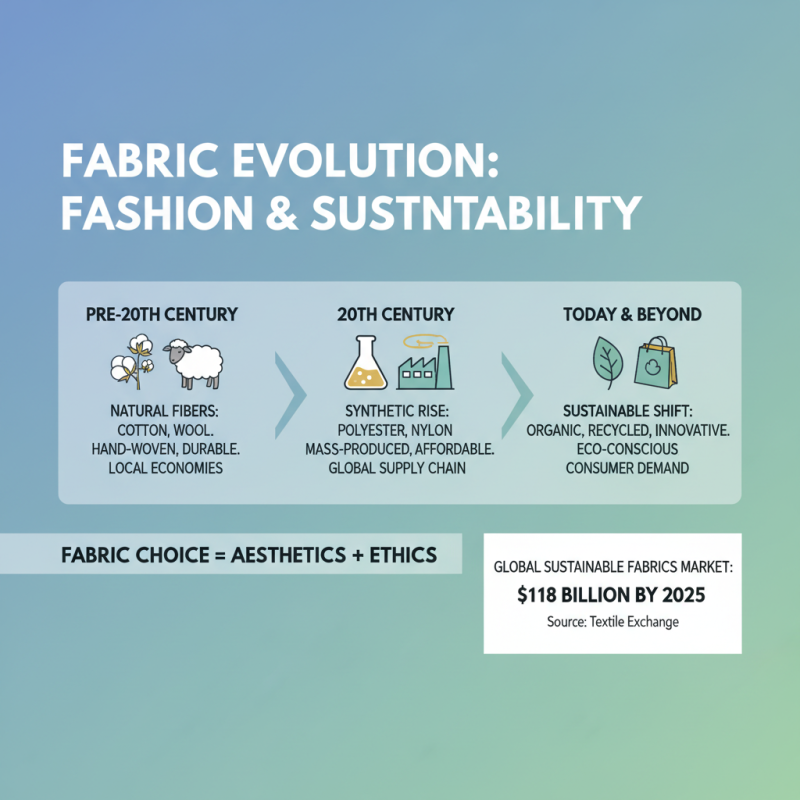
The historical evolution of fabric use in fashion reveals not only the aesthetic transitions but also the socio-economic contexts that shaped them. From natural fibers such as cotton and wool, which were dominant for centuries, the industry has seen a significant shift towards synthetic materials in the 20th century. According to a report by the Textile Exchange, the global market for sustainable fabrics is projected to reach $118 billion by 2025, highlighting a growing awareness among designers of the importance of fabric choice in sustainability and consumer preferences.
Designers can draw invaluable lessons from the fabric trends of the past. For example, during the 1960s, the introduction of polyester revolutionized the industry due to its affordability and versatility. However, it was also linked to environmental concerns due to its non-biodegradability. A recent study by McKinsey & Company indicates that textile waste is projected to reach 92 million tons annually by 2030, urging designers to rethink their use of materials and consider innovations like biodegradable options or recycled fibers. As fashion cycles continue to embrace nostalgia, understanding the lifecycle of fabrics can guide contemporary design practices while fostering sustainable growth in the industry.