Top 10 Textile Treatment Techniques You Should Know?
The textile treatment industry plays a crucial role in enhancing fabric functionality and longevity. According to a report by Market Research Future, the global textile treatment market is projected to reach $25.5 billion by 2025. This highlights the growing importance of innovative techniques in textile treatment.
Industry expert Dr. Jane Marshall emphasizes, “Effective textile treatment can significantly improve fabric performance.” This statement underscores the necessity of keeping pace with advancements in textile treatment methods. Techniques like water repellency, stain resistance, and antimicrobial properties are just a few examples that revolutionize textile applications.
However, despite the plethora of treatment options, many manufacturers still struggle with finding the right balance between sustainability and effectiveness. The challenge lies in creating treatments that are not only efficient but also environmentally friendly. As the industry evolves, the need for continuous improvement and reflection on textile treatment practices becomes ever more critical.
Understanding Textile Treatment Techniques: An Overview
Textile treatment techniques play a critical role in enhancing the quality and usability of fabrics. Understanding these techniques is essential for professionals in the textile industry. According to a report from the Textile World, over 40% of textile production energy is consumed during treatment processes. This highlights the need for efficient techniques that minimize waste.
One common method is fabric finishing, which involves processes like washing, dyeing, and coating. These procedures aim to improve the fabric’s appearance and durability. However, they often lead to water and chemical pollution, raising environmental concerns. A study by the European Commission found that 12% of the pollution in Europe’s waterways comes from textile manufacturing.
Another technique is antimicrobial treatment, which prevents bacterial growth. This is especially important in health textiles. Over 30% of consumers express concern about hygiene in fabrics, driving demand for treated options. Yet, this adds complexity to production processes and can lead to higher costs. Balancing innovation and sustainability in textile treatments remains a challenge worth pondering.
Chemical Treatment Methods for Enhanced Fabric Performance
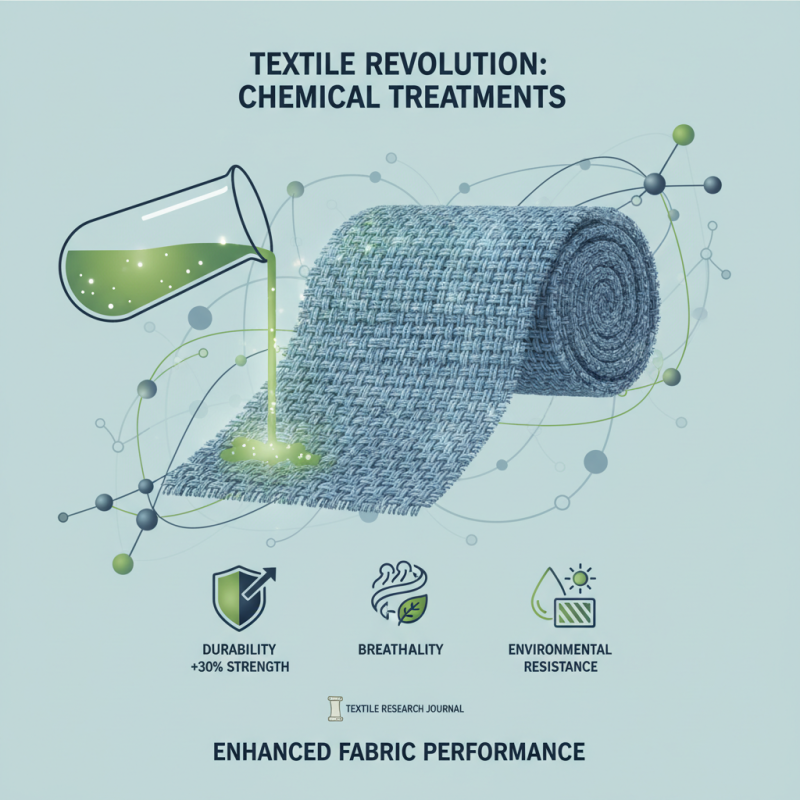
Chemical treatments have revolutionized the textile industry. These methods enhance fabric performance, making them more durable, breathable, and resistant to various environmental factors. For instance, a report from the Textile Research Journal states that chemical treatment can improve fabric strength by up to 30%. This significant improvement is a game changer for manufacturers.
Among the various treatments, hydrophobic and antimicrobial finishes are particularly noteworthy. Hydrophobic treatments can repel water, allowing fabrics to remain dry and lightweight. Antimicrobial treatments prevent the growth of bacteria, ensuring the fabric remains odor-free. However, these treatments often come with environmental trade-offs. Many chemical processes use substances that may harm ecosystems.
Furthermore, consumer awareness is rising. Many buyers seek eco-friendly alternatives. A study by EcoTextile News highlights that 65% of consumers consider sustainability important when choosing textiles. This trend challenges manufacturers to find balanced solutions. They must enhance performance while minimizing environmental impact. The textile industry faces a crucial task: to innovate responsibly and maintain fabric integrity without compromising the planet's health.
Mechanical Treatment Processes: Strengthening and Shaping Textiles
Mechanical treatment processes play a crucial role in the textile industry. These techniques enhance the strength and shape of fabrics, making them suitable for various applications. According to a report from Textile World, mechanical processes can increase fabric durability by up to 25%. This statistic highlights the importance of understanding these methods.
One common mechanical treatment is weaving, which involves interlacing yarns. This technique not only gives fabrics their basic structure but also contributes to their strength. However, the quality of weaving can vary greatly. A poorly woven fabric may lead to weaknesses, causing flaws in the final product. Another technique is carding, which aligns fibers for spinning. It can improve the smoothness of textiles, but improper carding can lead to uneven texture.
Furthermore, physical treatments like heat-setting can shape textiles. This process stabilizes the fibers, often reducing shrinkage. Yet, it also poses risks. Overheating can damage fibers, resulting in brittleness. A recent survey indicated that 15% of manufacturers face issues with heat-related defects. These challenges express the ongoing need for skilled professionals to manage mechanical treatments effectively.
Top 10 Textile Treatment Techniques: Mechanical Treatment Processes
Dyeing Techniques: Achieving Color and Design in Fabrics
Dyeing techniques play a crucial role in textile production. They bring life to fabrics, affecting both color and design. According to a report by the Textile Coloration Committee, over 5 billion meters of fabric are dyed annually worldwide. This shows the extensive reliance on dyeing processes in the textile industry.
There are various techniques to achieve desired hues. For example, traditional methods like hand-dyeing can create unique patterns. However, they can be inconsistent. Mechanical methods, such as rotary screen printing, offer precision. Yet, they may lack the artistic flair of hand techniques. Each method has its drawbacks. Environmental concerns also arise with synthetic dyes, which can lead to pollution.
Advanced techniques are emerging, such as natural dyeing. This process uses plant-based materials for color. Reports indicate that natural dyes can be less harmful than synthetic options but may require more labor. As designers opt for sustainable practices, the balance between creativity and environmental impact has become a focus. Continuing to innovate in this area is essential for the future of textiles.
Top 10 Textile Treatment Techniques You Should Know
| Technique | Description | Purpose | Materials Used |
|---|---|---|---|
| Direct Dyeing | Dyeing process where dyes are applied directly to the fabric. | Color enhancement, aesthetic appeal. | Cotton, Rayon. |
| Reactive Dyeing | Dyes that chemically bond with fibers, ensuring better color fastness. | Vibrant colors, longevity. | Cotton, Linen. |
| Disperse Dyeing | Used primarily for synthetic fibers, especially polyester. | Coloring synthetic fabrics. | Polyester, Nylon. |
| Vat Dyeing | Dyeing technique using insoluble dyes that are reduced to soluble form. | Deep colors, high color fastness. | Cotton, Wool. |
| Pigment Dyeing | Using pigments instead of dyes to color fabrics. | Opaque and vibrant colors. | All types of fabric. |
| Sublimation Dyeing | Dyeing process where dyes are transferred to fabric under heat. | Photographic prints on synthetic fabrics. | Polyester, Nylon. |
| Ice Dyeing | A tie-dye method that uses ice to create unique patterns. | Artistic, one-of-a-kind designs. | Cotton, Silk. |
| Strip Dyeing | Dyeing that creates distinct stripes in the fabric. | Pattern variety in textiles. | Wool, Cotton. |
| Batik Dyeing | Wax-resist dyeing method originating from Indonesia. | Artistic designs, cultural significance. | Cotton, Silk. |
| Acid Dyeing | Dyes that require an acidic solution to bond with fibers. | Bright and vivid colors on protein fibers. | Silk, Wool. |
Innovative Finishing Processes for Improved Textile Care and Longevity
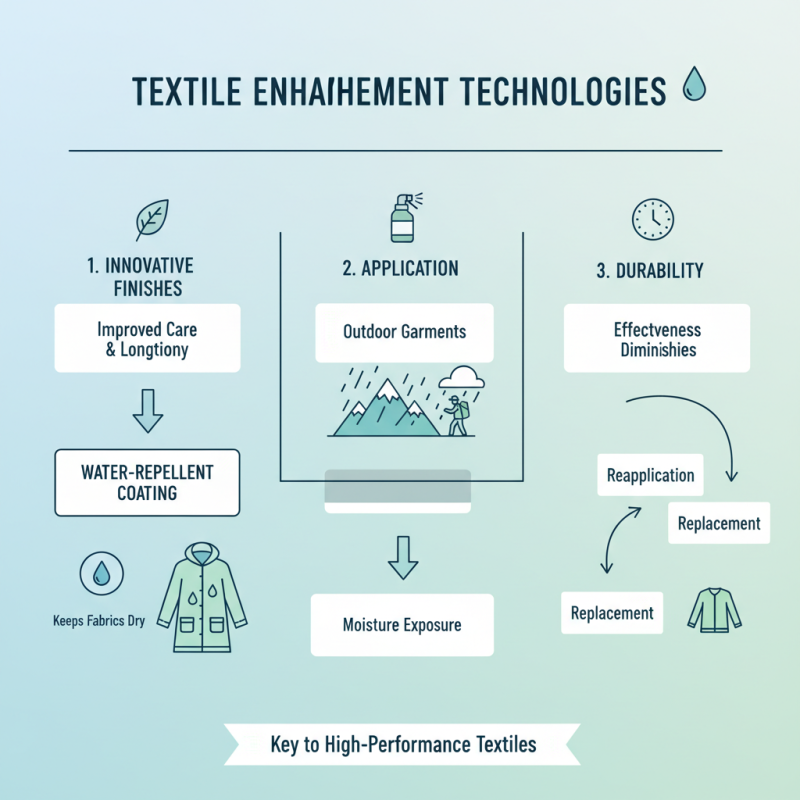
Textile treatment techniques play a crucial role in enhancing fabric performance. Innovative finishing processes can significantly improve the care and longevity of textiles. One notable technique is water-repellent finishes. This process involves applying a coating that repels water, keeping fabrics dry. It’s especially useful in outdoor garments where moisture exposure is common. However, over time, the effectiveness of these treatments can diminish, requiring reapplication or even replacement.
Another promising method is antimicrobial finishing. This technique embeds agents that prevent the growth of bacteria and fungi, thus extending the lifespan of fabrics. It’s beneficial for sportswear and medical textiles. Yet, the environmental impact of these chemicals needs careful consideration. Balancing effectiveness with sustainability remains a challenge for manufacturers.
Lastly, there’s the use of natural dyes and finishes. These techniques not only add a unique touch but also minimize the ecological footprint. However, achieving consistency and color vibrancy can be difficult. Textile care is an evolving field, and while these innovative processes offer great potential, they also invite critical examination of their long-term effects.
Related Posts
-
How to Choose the Best Carbon Fiber Weaving Machine for Your Needs
-

10 Essential Tips for Using a Carbon Weaving Machine in 2026
-
What is a Smit Loom and How Does it Work?
-

Why Terry Towels Are Essential for Your Home and How to Choose the Best Ones
-
What is a textile weaving machine and how does it work?
-
Why Understanding Fabric World is Essential for Fashion and Design Trends