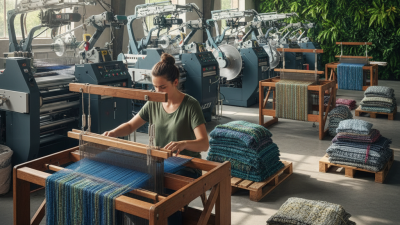
Top Types of Textile Fabric for Fashion and Home Decor Options?
When it comes to fashion and home decor, selecting the right textile fabric is crucial. Various fabric types serve different purposes. They can evoke emotion, influence style, and enhance comfort. From cotton to silk, each fabric has unique characteristics. Cotton is breathable and versatile. It works well for casual wear and home textiles. Silk, on the other hand, exudes luxury. It adds elegance to evening gowns and curtains.
Other fabrics, like linen and polyester, offer distinct advantages. Linen is known for its durability and texture. It is ideal for summer attire and rustic home settings. Polyester, a synthetic option, is often more affordable and easy to care for. It has grown popular in contemporary decor and clothing.
Choosing the right textile fabric can feel overwhelming. With so many options, many overlook essential factors like sustainability. Some fabrics are eco-friendly, while others harm the environment. Understanding these differences is vital for mindful consumers. Thus, it's essential to reflect on choices. Are they merely stylish, or do they align with values?
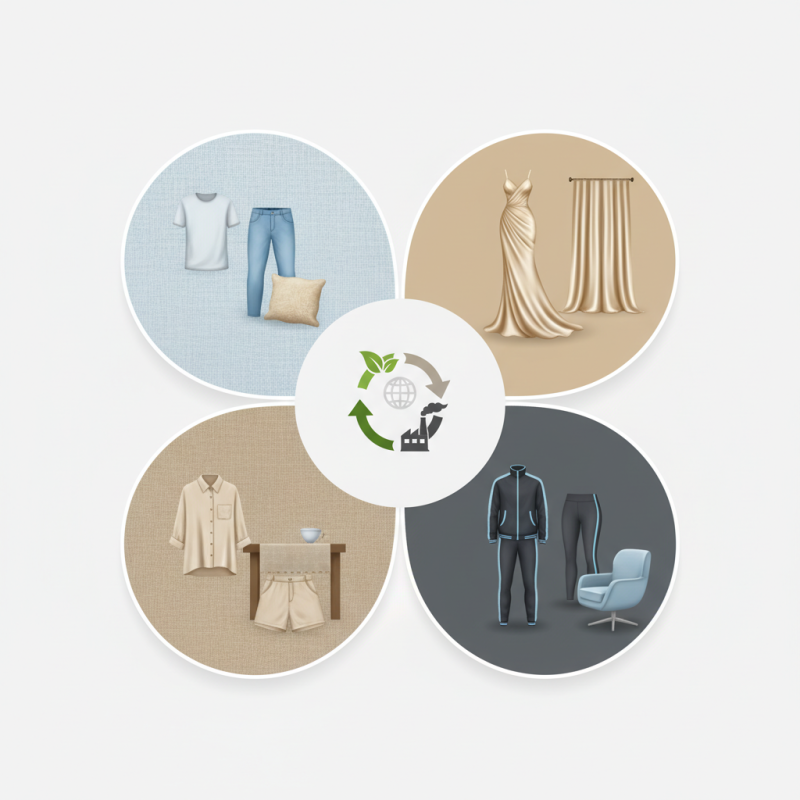
Types of Natural Fabrics for Sustainable Fashion and Home Decor
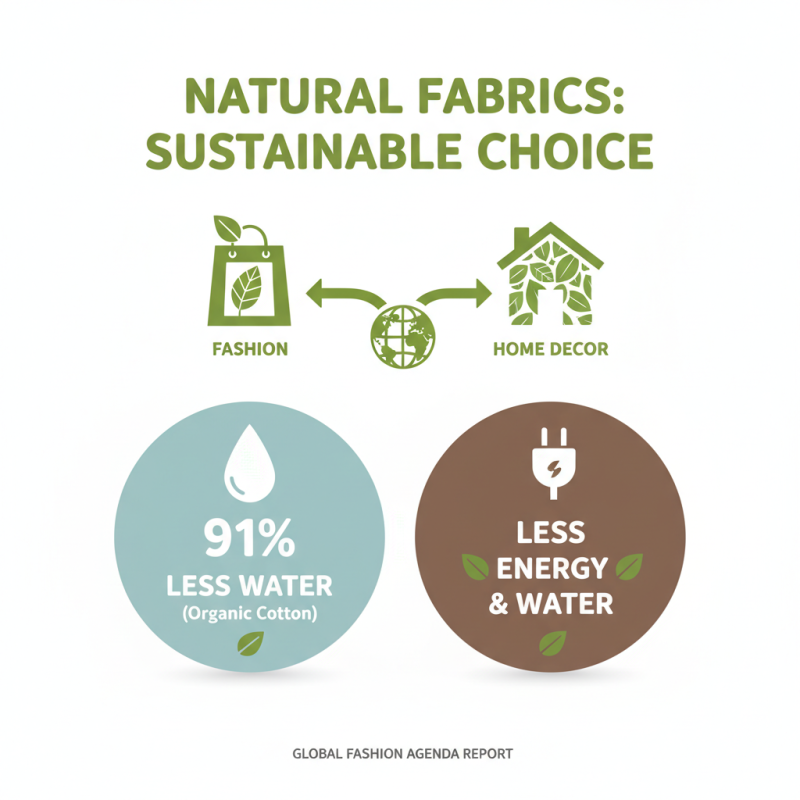
Natural fabrics are gaining popularity in sustainable fashion and home decor. They often consume less energy and water during production. According to a report by the Global Fashion Agenda, using organic cotton can reduce water usage by up to 91%. This statistic highlights the potential for making eco-friendly choices.
Cotton, linen, and hemp are notable examples. Cotton is popular, but it requires large amounts of water for cultivation. Linen, derived from flax plants, is a strong alternative. Its production often leaves less environmental impact. Hemp is also noteworthy. It grows quickly and needs minimal pesticides. A study by Textile Exchange suggests that hemp has a lower carbon footprint compared to conventional cotton.
While natural fabrics have benefits, challenges remain. Quality can vary greatly among suppliers. There can be confusion regarding certifications. Not all "organic" labels mean the same thing. Consumers must educate themselves. Investing in natural fabrics requires discernment. The goal is to achieve both sustainability and style in fashion and home design.
Exploring Synthetic Fabrics and Their Versatile Applications
When it comes to synthetic fabrics, their versatility is truly remarkable. These materials have found their way into both fashion and home decor. Polyester, for instance, is popular for its durability and easy maintenance. It's a great choice for upholstery and outdoor furniture. The colors remain vibrant, even after many washes. However, the environmental impact of synthetic fibers remains a concern.
Tips: Opt for recycled synthetic fabrics. This small change can significantly influence sustainability.
Another synthetic option is nylon, known for its strength and elasticity. It's commonly used in activewear due to its ability to wick moisture. While nylon offers great performance, it can create issues in terms of breathability. Consider layering with natural fabrics for improved comfort. Dust and odors can sometimes cling to these fabrics, which is worth noting.
Tips: Always test fabric samples before use. This helps in understanding their feel and performance in real conditions. Don't shy away from mixing different textures to achieve a unique look. Embrace experimentation, even if the results aren’t perfect at first.
Top Types of Textile Fabric for Fashion and Home Decor Options
| Fabric Type |
Composition |
Versatile Applications |
Care Instructions |
| Polyester |
100% Synthetic |
Clothing, Upholstery, Home Linens |
Machine wash, low heat |
| Nylon |
100% Synthetic |
Activewear, Lingerie, Drapery |
Hand wash or gentle cycle |
| Acrylic |
100% Synthetic |
Knitwear, Blankets, Accessories |
Machine wash, low heat |
| Spandex |
5-30% in blends |
Sportswear, Swimwear, Fashion Apparel |
Machine wash cold, hang dry |
| Rayon |
Semi-synthetic cellulose |
Dresses, Curtains, Bed Linens |
Hand wash, iron low |
Comparison of Woven vs. Knitted Fabrics in Fashion Design
Woven and knitted fabrics serve distinct roles in fashion design.
Woven fabrics are crafted by interlacing threads, creating a firm structure.
This type of fabric is known for its durability and crisp finish.
According to the latest industry reports, woven fabrics account for nearly 60% of textile consumption in apparel.
They are ideal for tailored garments, ensuring a structured silhouette.
On the other hand, knitted fabrics offer flexibility and comfort.
Made by interlocking loops of yarn, they allow for more stretch.
This is why they dominate in activewear markets.
Reports indicate that knitted textiles have seen a 15% growth in the last year alone.
Designers appreciate their soft drape, enhancing wearability in casual styles.
However, issues can arise with pilling and snagging. This can often detract from the final product.
While both types have their merits, they come with challenges.
Woven fabrics may limit movement, which can be uncomfortable.
Knitted fabrics, while comfy, might not hold shape as well.
Finding the right balance is crucial for designers. Understanding these differences can lead to better fabric choice for specific fashion applications.
Trends in Eco-Friendly Fabrics for Modern Home Interiors
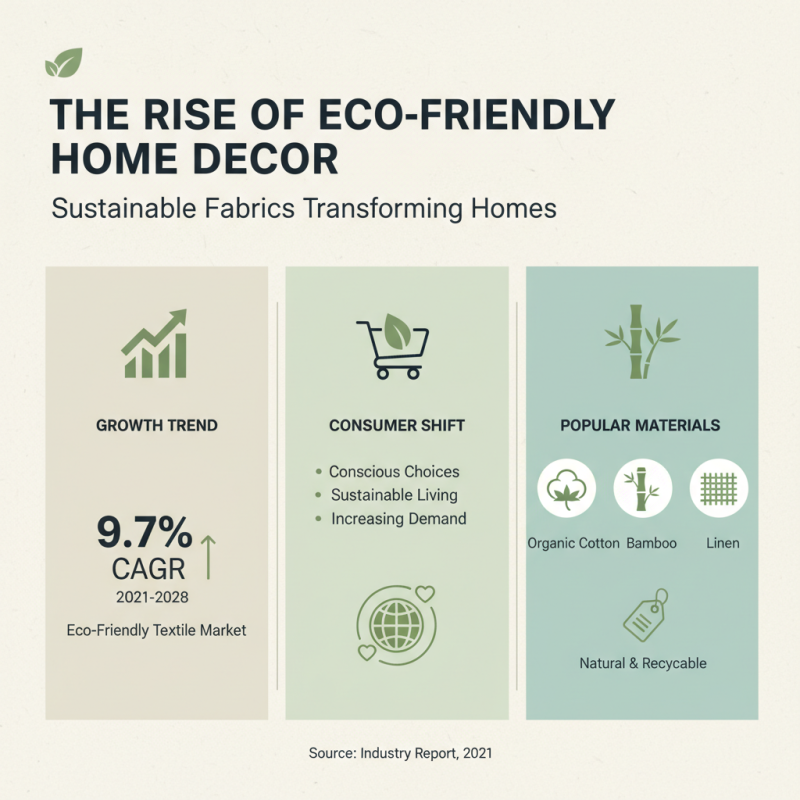
Eco-friendly fabrics are gaining popularity in home decor. Consumers are becoming more conscious about their choices. A recent industry report shows that the eco-friendly textile market is expected to grow at a CAGR of 9.7% from 2021 to 2028. This growth reflects a shift in consumer preferences towards sustainable living.
Natural fibers like organic cotton, hemp, and linen are at the forefront. They require less water and fewer pesticides. However, some manufacturers still struggle with sourcing sustainable materials. This inconsistency can lead to confusion among consumers. Many are eager to make responsible choices yet find it challenging to verify product claims.
Recycled fabrics also play a significant role. PET, derived from plastic bottles, is popular for upholstery. Reports indicate that using recycled textiles can reduce carbon footprints significantly. Yet, the lifecycle of these materials remains uncertain. Awareness around such issues is key for informed decisions in home fashion. The journey toward sustainable living in textile use is ongoing and requires collaboration and transparency across the industry.
Key Factors to Consider When Choosing Fabrics for Fashion and Decor
Choosing the right fabric is crucial for both fashion and home decor. The weight of the fabric matters a lot. Light fabrics can flow beautifully, perfect for drapes or summer clothes. Heavier options provide structure, ideal for tailored garments or furniture upholstery. Think about how the weight affects the look and feel. Texture adds dimension, too. Smooth silk contrasts with rustic linen. This variety allows for creativity, yet it can also make decisions harder.
Care and maintenance are important factors. Some fabrics require special cleaning, while others are easy to wash and dry. Consider your lifestyle. If you have kids or pets, choose durable options that withstand wear. How often will the fabric be used? A delicate fabric might not be practical for everyday items but might shine in less frequented spaces.
Color and pattern choices can transform a space or outfit. Bold prints can make a statement, while neutrals offer versatility. Yet, trends change. What feels perfect today may not resonate tomorrow. The fabric should feel authentic to your style. Always reflect and reconsider your choices. Don't just follow trends; find materials that speak to you personally.