Top 10 Fabric Weaving Techniques You Should Know?
Fabric weaving is an art that blends creativity with technique. Understanding various fabric weaving methods can elevate your textile projects. These techniques hold cultural significance and define the fabric's texture. Learning them enriches the appreciation of handmade textiles.
Different weaving styles offer distinct patterns and durability. For instance, twill creates diagonal lines, while satin gives a smooth finish. Each method has its own advantages and challenges. It takes practice to master these skills, and not every attempt will yield perfect results. Mistakes, however, can lead to unique creations.
In this exploration of the top 10 fabric weaving techniques, we will delve into the details that make each style special. Knowing these methods opens up new possibilities for designers and crafters alike. Cultivating this knowledge also fosters a deeper connection to the craft, encouraging reflection and growth in your weaving journey.
Overview of Fabric Weaving Techniques
Fabric weaving involves intricate techniques that shape the texture and strength of textiles. Various methods not only define the fabric's appearance but also its functionality. A fundamental technique is plain weave. It features horizontal and vertical threads interlacing at right angles. This creates a strong and simple fabric, ideal for everyday use.
Another noteworthy method is twill weaving. This technique produces a diagonal ribbing on the fabric's surface. Twill is less prone to wrinkles, making it popular in garments such as jeans. On the other hand, satin weave provides a smooth, glossy finish. It allows for a rich appearance that enhances drape.
Looms play a vital role in these techniques. Different looms affect the fabric's final characteristics. However, mastering these methods takes practice. Beginners often struggle with consistent tension and patterns. It's essential to learn from these challenges to improve craftsmanship. Understanding the unique qualities of each technique is crucial for anyone exploring fabric weaving.
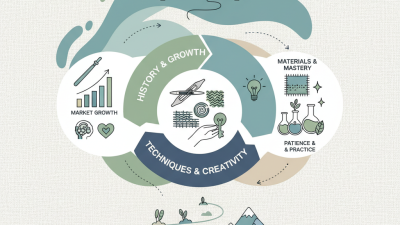
Top 10 Fabric Weaving Techniques - Data Visualization
Traditional Weaving Methods and Their Cultural Significance
Traditional weaving techniques carry deep cultural significance across the globe. Each method tells a story,
reflecting history, identity, and art. For indigenous communities, weaving is not just functional; it's a form of cultural heritage. The patterns often represent
ancestral ties and local beliefs. This connection to tradition strengthens community bonds.
Every fabric tells a story. Take ikat, for example. This method involves dyeing the yarn before weaving, creating striking patterns.
The process is labor-intensive and requires skill. It can take months to complete a single piece. Weavers often learn from family, passing down knowledge through generations.
These fabrics are more than textiles; they embody tradition.
However, with globalization, many traditional techniques are at risk. Young artisans might prefer modern methods. This shift can lead to a loss of cultural identity.
Reviving interest in these techniques is essential. Workshops and exhibitions can engage the younger generation. Preserving these traditions is vital for
cultural heritage and community pride.
Modern Innovations in Fabric Weaving Techniques
Modern fabric weaving techniques are constantly evolving, driven by technological advancements and the demand for sustainable materials. Innovations in air-jet weaving and digital jacquard weaving have transformed traditional methods, enhancing efficiency and design capabilities. According to a report by the Textile World, air-jet looms now account for over 30% of the market, reflecting their growing importance in high-speed production.
Furthermore, smart textiles are becoming a game-changer. They incorporate sensors to monitor environmental conditions. This trend in fabric innovation aligns with sustainability principles, allowing manufacturers to produce less waste. The Global Market Insights report indicates that smart textiles are expected to reach a market value of $5 billion by 2025. Such growth highlights the industry’s shift towards integrating technology with everyday fabrics.
Tip: Embrace innovative weaving techniques to stay competitive. They can enhance product quality and reduce production costs.
Tip: Always explore sustainable options. Adopting eco-friendly practices can attract a broader customer base.
As we adapt to these modern methods, challenges remain. Implementing advanced technologies requires skilled labor and financial investment. Balancing these needs while maintaining fabric quality is essential for future growth.
Comparison of Natural vs. Synthetic Fibre Weaving
When comparing natural and synthetic fibers in weaving, it's crucial to understand their unique properties.
Natural fibers like cotton, wool, and silk offer breathability and comfort.
These materials are biodegradable, appealing to environmentally conscious consumers.
However, they can be less durable than synthetic options. For example, cotton may fade over time and requires careful washing.
On the other hand, synthetic fibers such as polyester and nylon boast remarkable strength and resistance to wear.
They withstand sunlight and moisture better than many natural fibers.
Yet, synthetic materials can feel less comfortable against the skin. They also raise concerns about environmental impact, as they are not biodegradable.
Evaluating these factors helps in making an informed choice.
Crafting with either type of fiber has its challenges.
Natural fibers may shrink or stretch, requiring careful planning in fabric construction.
Synthetic fibers might not have the same texture or drape, making them tricky for certain designs. Experimentation is key.
The right choice depends on the intended use, care preferences, and environmental beliefs.
Each fiber brings a distinct character to weaving, shaping the final fabric's look and feel.
Future Trends in Weaving Technology and Sustainability
Weaving technology is evolving rapidly, emphasizing sustainability. New techniques are emerging that prioritize eco-friendly materials and processes. These innovations focus on reducing waste and energy consumption.
As skills in traditional weaving fade, the integration of technology becomes crucial. Digital weaving machines allow for precision and intricate designs. Yet, they also pose a challenge. Balancing craftsmanship with automation requires thoughtful consideration.
Tips: Consider using natural fibers. They are biodegradable and reduce environmental impact. Support local artisans; this fosters community and sustainability. Finally, always research materials and their origins. This increases awareness and promotes ethical practices in the textile industry.