What is Textile Sustainability and Why Does It Matter?
Textile sustainability is a pressing concept in today's fashion industry. It emphasizes the need to create fabrics and garments that are environmentally friendly and socially responsible. This approach addresses the significant waste and pollution generated by traditional textile processes. The fashion world is grappling with its impacts, and consumers are becoming more aware.
Many brands are now exploring sustainable materials like organic cotton, recycled polyester, and innovative fabrics. However, the journey towards textile sustainability is not straightforward. There are challenges, such as sourcing raw materials ethically and reducing water usage. Progress is often slow and requires deep commitment.
The importance of textile sustainability cannot be overstated. It matters not only for our environment but also for future generations. As we learn more about the textile supply chain, we must reflect on our choices. Are we supporting brands that prioritize sustainability? The answers lie in our daily decisions as consumers.

What is Textile Sustainability? A Comprehensive Overview
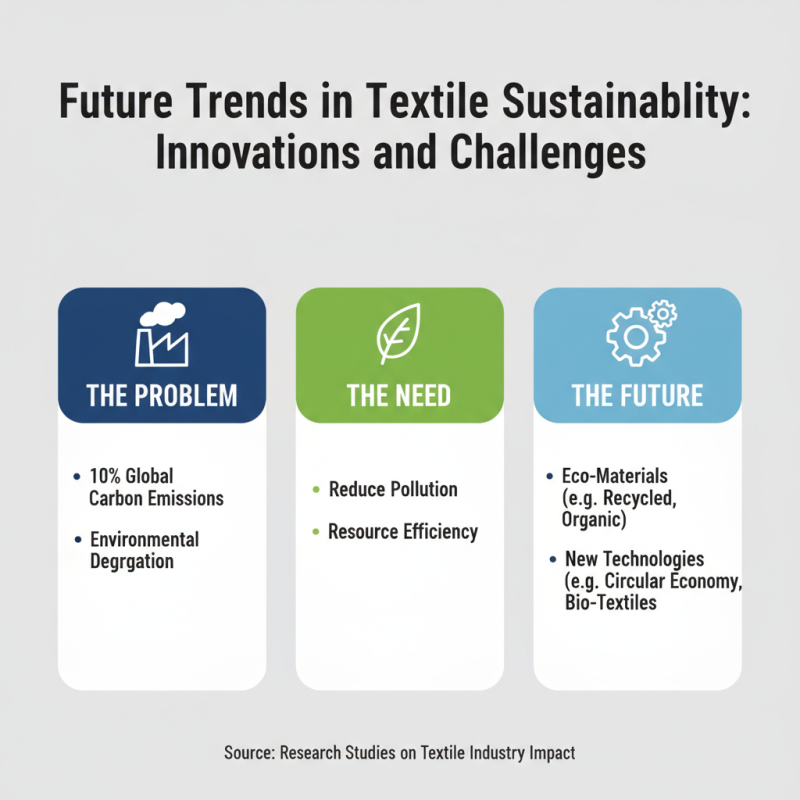
Textile sustainability refers to the environmental and social impacts of the textile industry. This sector generates around 1.2 billion tons of CO2 emissions annually, making it a significant contributor to climate change. The production processes, often reliant on water-intensive methods, consume nearly 79 billion cubic meters of water each year, leading to severe water scarcity in some regions. These figures underline the urgent need for sustainable practices.
Bio-based materials, recycling, and eco-friendly dyes are essential for achieving textile sustainability. Despite advancements, around 92 million tons of textile waste are generated each year globally. Most discarded textiles end up in landfills, where they can take over 200 years to decompose. This situation calls for innovative solutions in design and production. However, awareness among consumers remains low, with less than 30% actively seeking sustainable options when shopping.
The lack of proper regulations further complicates the issue. Companies often prioritize profit over eco-friendliness. They may greenwash their products instead of making genuine changes. This reflection on the industry's shortcomings is necessary. Addressing these complexities requires collaboration and commitment from all stakeholders, including consumers. True sustainability cannot be achieved without collective effort.
Textile Sustainability Overview
Key Principles of Sustainable Textiles in the Fashion Industry
Sustainable textiles are at the forefront of the fashion industry's transformation. They focus on reducing environmental impact. Key principles include using eco-friendly materials. Organic cotton, recycled polyester, and hemp emerge as alternatives. These materials lessen water usage and chemical exposure.
Another critical principle is ethical production. Fair wages and safe working conditions matter. Factory workers deserve respect and good treatment. It’s essential to acknowledge that many brands still struggle with transparency. Some manufacturers cut corners to save costs. This brings attention to the need for accountability in the supply chain.
Waste reduction is also vital. The fashion industry generates vast amounts of waste. Implementing a circular economy can make a difference. Repairing and recycling clothing encourages longevity. Yet, still, the fast fashion mentality prevails. Many consumers choose convenience over sustainability. These inconsistencies need reflection and action. The industry must strive for change, but the journey is ongoing.
The Environmental Impact of Textile Production: Statistics and Insights
The textile industry significantly impacts the environment.
Around 20% of global water pollution comes from textile dyeing and treatment. This staggering statistic highlights the urgent need for sustainable practices.
The process consumes massive amounts of water, with one cotton t-shirt requiring about 2,700 liters. That's enough for one person to drink for over three years.
Chemicals used in production are troubling. They often pollute rivers, harming aquatic ecosystems. The World Bank states that 17-20% of industrial water pollution comes from textile manufacturing. This creates dire issues for communities near production sites, elevating health risks and crippling local economies.
Additionally, the industry produces vast quantities of waste. The Ellen MacArthur Foundation estimates that a truckload of textiles is landfilled or incinerated every second. This sheer volume prompts reflection on consumer habits and production choices. It's clear we need to shift towards more responsible practices to reduce waste and protect our planet.
Social Responsibility in Textile Manufacturing: Labor and Fair Trade
The textile industry often overlooks social responsibility. Labor conditions can be harsh. Workers may face long hours and low pay. In many countries, factories lack safety measures. This reality raises questions about ethical manufacturing practices.
Fair trade initiatives aim to change this narrative. They promote better wages and working conditions. These programs empower workers. They often receive training and support. Consumers are encouraged to choose products that guarantee ethical sourcing. Awareness is growing, but challenges remain.
Despite efforts, many brands prioritize profit over people. Supply chains can be complex and opaque. It’s crucial for consumers to ask questions. Understanding where and how clothing is made is vital. Greater transparency in the industry can drive positive change. A commitment to social responsibility is essential for a sustainable future.
What is Textile Sustainability and Why Does It Matter?
| Dimension |
Description |
Importance |
| Environmental Impact |
Reduction of waste and resource usage in textile production |
Minimizes pollution and conserves natural resources |
| Labor Practices |
Fair wages, safe working conditions, and no exploitation |
Supports human rights and promotes ethical labor standards |
| Sustainable Materials |
Use of organic, recycled, or otherwise sustainable materials |
Reduces dependency on non-renewable resources |
| Consumer Awareness |
Knowledge about sustainability issues related to textiles |
Encourages conscious purchasing decisions among consumers |
| Certification Programs |
Standards set by organizations to ensure sustainable practices |
Provides transparency and builds trust in products |