How to Navigate the Fabric World for Better Textile Choices?
Navigating the fabric world can be daunting. With countless options available, making informed textile choices is essential. According to market reports, the global textile industry is expected to surpass $1 trillion by 2025. This growth reflects a surge in demand for sustainable fabrics. Many consumers are now aware of their choices' environmental impact.
However, it is not always easy to find the right balance between quality and eco-friendliness. For instance, organic cotton has a smaller carbon footprint than conventional cotton, yet it may come at a higher price. Consumers often grapple with this dilemma. Additionally, synthetic fabrics dominate the market, complicating choices for those seeking sustainability.
Understanding fabric specifications is crucial. Factors like durability, breathability, and maintenance play a role in the decision. Yet, many shoppers overlook these details. Emphasizing education can empower consumers to make better decisions in the fabric world. As awareness grows, the pressure to choose wisely increases. Ultimately, making thoughtful decisions can lead to a more sustainable future.
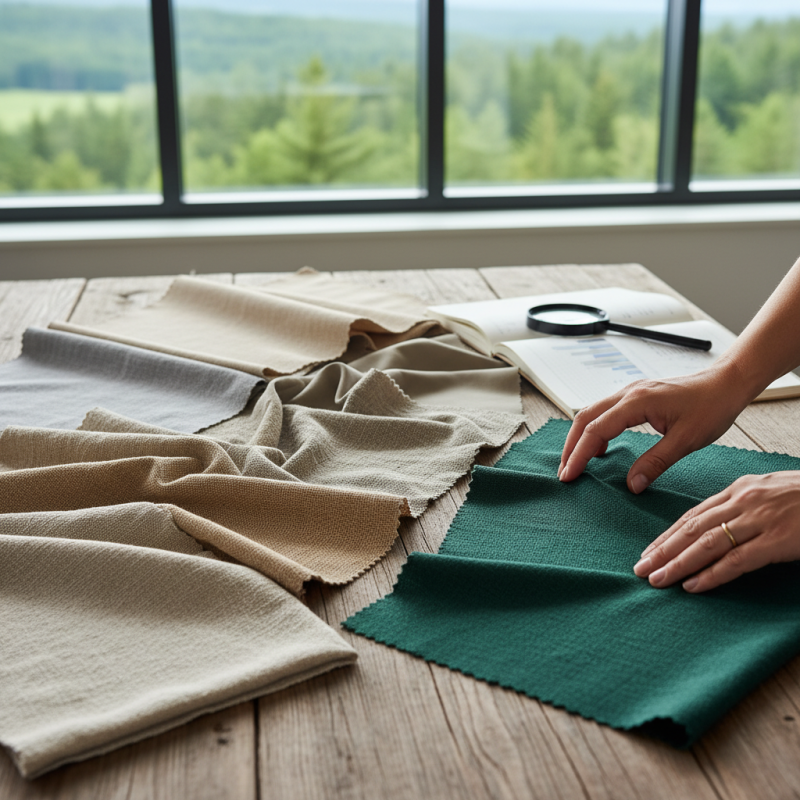
Understanding Different Types of Fabrics and Their Properties
Navigating the fabric world can be overwhelming. Various fabrics serve different purposes, making the right choice essential. Cotton, for instance, is praised for its softness and breathability, accounting for approximately 40% of global textile production. It’s often favored for everyday wear and comfort.
On the other hand, synthetic fibers like polyester represent about 55% of world's textile consumption. They are durable and resist wrinkles. However, they can trap heat, sometimes leading to discomfort. Natural alternatives like linen are lightweight and moisture-wicking, ideal for warm climates. However, linen wrinkles easily, which might disappoint some consumers.
Understanding these properties aids in smarter textile choices. A recent industry report noted that fabrics like Tencel, made from wood pulp, have gained popularity for their eco-friendly qualities. Yet, the supply chain for such materials can sometimes be murky. Consumers might face challenges in finding reliable sources. Choosing the right fabric thus requires time and research, not just impulse decisions.
Identifying Sustainable Fabric Choices for Environmentally Friendly Living
When choosing fabrics, sustainability often takes a backseat. Many overlook the environmental impact of their textile choices. It's vital to identify fabrics that support eco-friendly living. Natural fibers like organic cotton, hemp, and linen are excellent choices. They require less water and pesticides. These options also contribute to soil health.
Tips: Look for certifications. GOTS and OEKO-TEX indicate sustainability. Seek out recycled materials, too. Fabrics made from recycled plastics can reduce waste significantly. Organic wool is another great option. However, ensure it's sourced ethically.
Avoid synthetic fabrics unless necessary. Polyester and nylon are derived from petroleum. Their production can harm the environment. Reconsider your choices. Every fabric has a story. Make sure yours aligns with your values. Embrace the journey of sustainable living, even with its challenges. Remember, every small step counts towards a bigger change.
Choosing Sustainable Fabrics for Environmentally Friendly Living
Exploring the Role of Fabric Weaves and Textures in Design
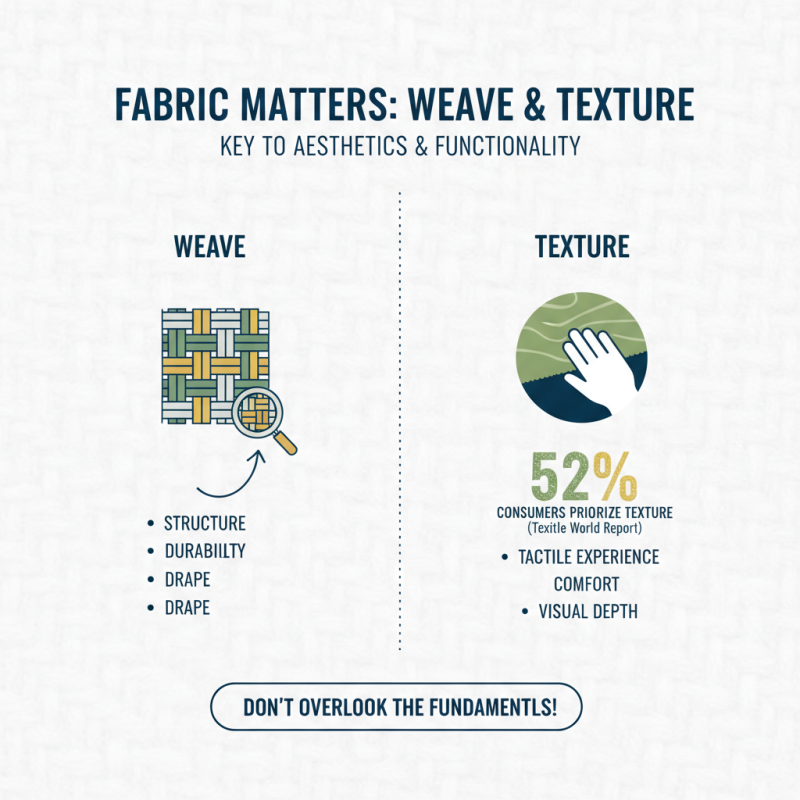
When we think about fabric, we often overlook the importance of weave and texture. These elements play a crucial role in the overall aesthetic and functionality of textiles. According to a report from the Textile World, approximately 52% of consumers prioritize texture when selecting fabrics. This statistic highlights how essential texture is to our tactile experience.
Different weaves can dramatically change the behavior of fabrics. For instance, a twill weave offers durability and is often used in jeans. On the other hand, satin weave creates a glossy finish and feels luxurious against the skin. We must consider these differences when making choices for clothing or home decor. A study by the International Textile and Apparel Association found that 64% of designers adjust their selections based on how a fabric drapes.
Yet, navigating through these options isn’t always straightforward. Sometimes, textures can mislead us into thinking a fabric is more comfortable than it is. An elegant velvet may look appealing but may not be practical for everyday wear. Fabric choices require careful thought. It's essential to reflect on both aesthetic appeal and functionality to make informed decisions.
Tips for Care and Maintenance of Various Fabric Types
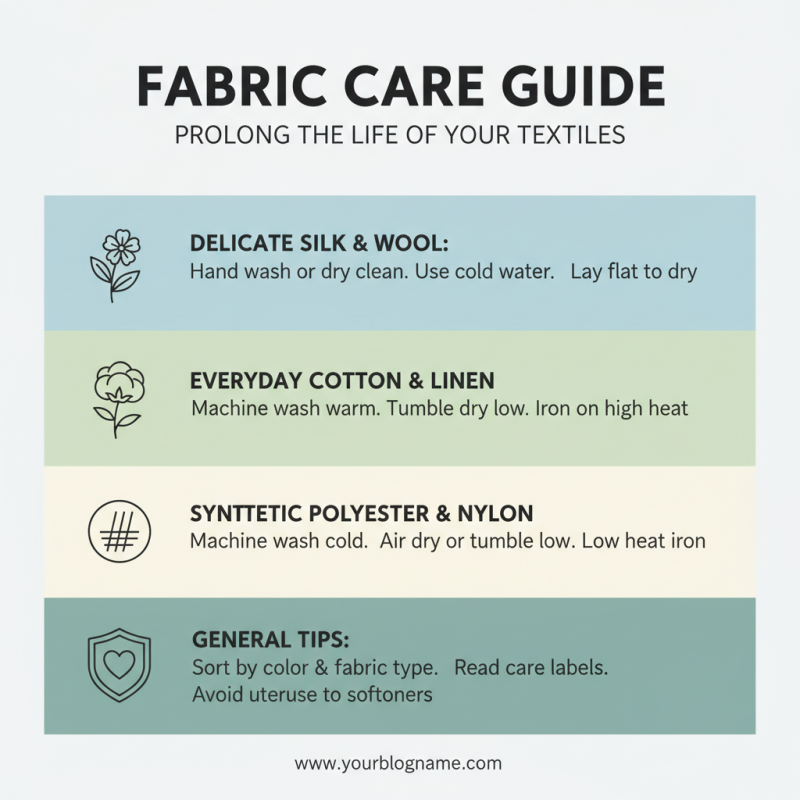
Caring for different fabric types can be challenging. Each material has unique needs. Understanding these needs can prolong the life of your textiles.
For cotton, washing regularly in cold water is effective. Avoid high heat for drying. Ironing should be done while the fabric is slightly damp, ensuring a crisp finish. On the other hand, wool requires special care. Hand wash with mild detergent. Never twist or wring it out; this can damage the fibers. Instead, lay it flat to dry.
Synthetic fabrics like polyester are easy to maintain. They can withstand higher temperatures but check labels first. A quick tip: always separate colors before washing. This prevents any dye transfer. Remember, each fabric tells a story. Neglecting care can lead to premature wear. Reflect on the care you give. It matters.
Making Informed Decisions: Fabric Sourcing and Ethical Considerations
Navigating the fabric world can be daunting. Making informed decisions requires understanding both sourcing and ethical considerations. Start by exploring local suppliers. They often use sustainable methods. This supports your community while reducing transportation emissions.
Tips: Always ask where the fabric is sourced. Traceability is key. If a supplier cannot provide information, think twice. Check certifications for organic or fair-trade fabrics. They often indicate higher ethical standards.
Consider the impact on the environment. Some textiles are made with harmful chemicals. Research the fabric's lifecycle before making a choice. A beautiful fabric might come with hidden costs. Reflect on how you want your choices to affect the world. Choose thoughtfully, and your decisions can lead to positive change.
How to Navigate the Fabric World for Better Textile Choices?
| Fabric Type |
Sustainability |
Durability |
Cost |
Ethical Considerations |
| Cotton |
Moderate (organic options available) |
Good |
Low to Moderate |
Often uses pesticides, check for Fair Trade |
| Linen |
High |
Very Good |
Moderate |
Biodegradable, check for ethical sourcing |
| Polyester |
Low (recycled options available) |
Excellent |
Low |
Non-biodegradable, check for production conditions |
| Wool |
Moderate (animal welfare concerns) |
Good |
Moderate to High |
Look for ethical sourcing and mulesing-free options |
| Tencel |
High |
Good |
Moderate |
Sourced from sustainable forests, biodegradable |