2026 How to Navigate the Fabric World for Sustainable Choices?
In today's fabric world, sustainability is more crucial than ever. As consumers, we face choices that impact both the environment and society. The fabric industry is vast, filled with options. However, not all choices are created equal. Understanding the fabric world can feel overwhelming.
Sustainable fabrics often present challenges. They may come at a higher cost or require specialized care. Yet, these choices benefit our planet. They are created with fewer resources and reduce waste. It is essential to navigate this landscape thoughtfully.
Consumers must educate themselves. It is easy to overlook the importance of fabric sourcing and production methods. The journey toward sustainable choices begins with knowledge. By exploring reputable brands and understanding certifications, we can make a difference. Selecting eco-friendly fabrics becomes a pathway to a more responsible future in the fabric world.
Understanding Sustainable Fabrics: Definitions and Key Concepts
Navigating the world of sustainable fabrics requires a solid understanding of key concepts. Sustainable fabrics are made from materials that have a minimal impact on the environment. This includes organic cotton, bamboo, hemp, and recycled polyester. These materials often utilize fewer chemicals during production, resulting in healthier ecosystems.
When exploring your options, consider these tips. Research the sourcing of the fabrics. Look for certifications that ensure sustainability. Certifications can signal responsible practices. Next, understand the end-of-life of the fabric. Fabrics that are biodegradable or recyclable reduce waste in landfills. This is crucial for making responsible choices.
Remember that the journey to sustainability can be complex. Not all so-called sustainable fabrics are truly eco-friendly. Some may be marketed as green yet have harmful practices behind their production. Stay critical of the information provided. Make informed choices that align with your values and support genuine sustainability efforts.
Exploring Eco-Friendly Fabric Types: Organic Cotton, Hemp, and Tencel
Choosing eco-friendly fabrics is crucial for sustainable living. Organic cotton stands out. It is grown without harmful chemicals. This method protects soil health. Organic cotton feels soft and breathable. It reduces water use by almost 90% compared to conventional cotton.
Hemp is another great option. It thrives in diverse climates. This plant grows quickly and requires minimal water. Hemp fibers are strong and durable. They are also biodegradable, leading to less waste. Its cultivation improves soil condition, supporting a regenerative cycle.
Tencel, derived from eucalyptus trees, is also worth considering. The production uses closed-loop processes, minimizing waste. This material is soft and breathable, ideal for sensitive skin. Tencel fabrics biodegrade naturally and reduce environmental impact. However, the sourcing of raw materials requires careful scrutiny. Balancing quality and sustainability is essential in every choice.
Evaluating the Environmental Impact: Lifecycle Assessments in Textiles
In today's textile industry, lifecycle assessments (LCA) have emerged as vital tools for evaluating environmental impact. These assessments analyze the ecological footprint of fabrics, from raw material extraction to manufacturing, use, and disposal. For instance, studies reveal that cotton production alone accounts for 2.6% of global freshwater use. This raises concerns about sustainability, especially in regions facing water scarcity.
Natural fibers, while often viewed as eco-friendly, can still harbor negative environmental consequences. The LCA highlights that even organic cotton may require significant water and land resources. Moreover, synthetic fibers, such as polyester, pose challenges. They have a high energy footprint during production and contribute to microplastic pollution in oceans. According to the United Nations, around 35% of microplastics found in marine environments originate from synthetic textiles.
Consumers and manufacturers alike must reflect on these findings. Relying solely on labels like “eco-friendly” does not guarantee minimal environmental impact. Real change requires a critical look at the entire lifecycle of textiles. By prioritizing sustainability in every stage, we can make informed choices, reducing harm to our planet while promoting awareness of the complexities in textile production.
Navigating Certifications: Recognizing Authentic Sustainable Labels
Navigating the world of sustainable fabrics requires understanding certifications. Sustainable labels can help consumers make informed choices. However, not all certifications are equal. According to a report by Textile Exchange, less than 30% of clothing brands meet basic sustainability criteria. Knowing which labels to trust is crucial for genuine sustainable practices.
Many certifications exist, but some are more recognized. The Global Organic Textile Standard (GOTS) ensures organic fabric integrity. The OEKO-TEX Standard 100 guarantees textiles are free from harmful substances. Research shows that consumers increasingly consider these labels in their purchasing decisions. In fact, 66% of millennial shoppers are willing to pay more for sustainable options.
Tip: Look for multiple certifications on a single product. This often indicates a higher level of commitment to sustainability. Prioritize transparency in supply chains, as brands disclosing their practices tend to follow higher ethical standards. Remember, not every green claim is credible; assess the context of the certifications.
Innovative Solutions: Technologies Shaping the Future of Sustainable Fabrics
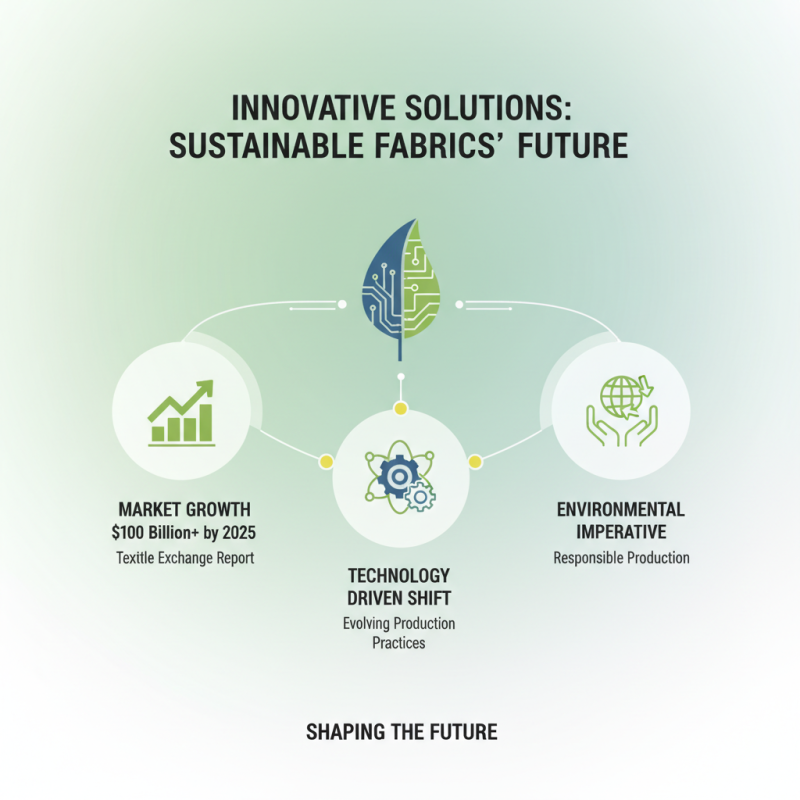
The landscape of sustainable fabrics is rapidly evolving, driven by innovations in technology. According to the Textile Exchange’s Sustainability Report, the market for sustainable textiles is expected to surpass $100 billion by 2025. This surge is not just a trend but a necessary shift towards environmentally responsible production practices.
Advanced technologies are at the forefront of this change. For instance, bio-based fabrics, crafted from renewable resources, have gained traction. In 2022 alone, 15% of the global fiber market was comprised of bio-based materials. Additionally, companies are now utilizing blockchain for transparency in the supply chain, ensuring ethical sourcing and production processes.
Tips: When selecting fabrics, consider certifications like GOTS, which ensures organic status. Check for information on water and energy consumption during production. Understanding the fabric’s life cycle is crucial.
While many options are available, not all are perfect. Some bio-fabrics still rely on intensive agricultural practices. There are ongoing debates about the recyclability of synthetic blends. A critical approach to choosing sustainable fabrics involves asking difficult questions and demanding accountability from suppliers.