How to Master Weaving Technology for Innovative Textile Production?
In the realm of textile production, mastering weaving technology is vital. Expert Lisa Thompson states, “Innovation in weaving technology transforms ideas into fabric.” Her insight highlights the crucial role weaving plays in modern textiles.
To truly excel, one must embrace the changing landscape of weaving technology. Traditional methods blend with advanced techniques, creating unique materials. However, challenges remain. This industry often struggles with efficiency and sustainability. Innovations can lead to waste if not managed properly.
Addressing these issues requires dedication and creativity. Incorporating automation has its drawbacks, such as job displacement. Balancing tradition and innovation is key. A deep understanding of weaving technology will pave the way for better solutions. As the industry evolves, one must remain vigilant and adaptable. The journey of mastering weaving is ongoing and requires constant reflection.
Understanding the Fundamentals of Weaving Technology in Textile Production
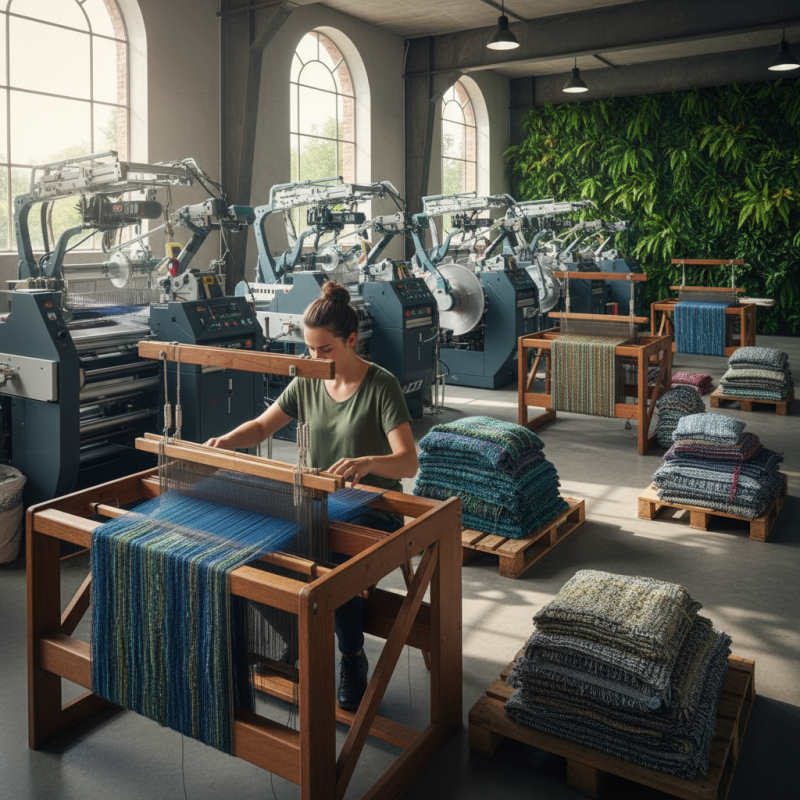
Weaving technology is foundational to textile production. It involves interlacing yarns to create fabric. Knowing the basics can significantly enhance your understanding of the textile industry. The two primary types of weaving are plain and twill. Each method produces distinct textures and appearances.
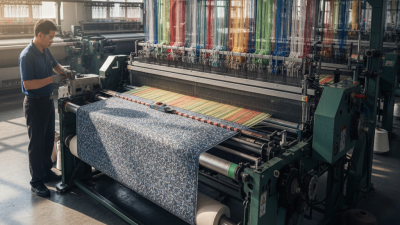
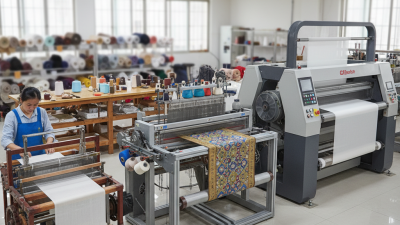
Understanding loom operation is essential. Looms come in various styles, like handlooms or automatic looms. Each has its own pros and cons. Handlooms provide unique finishes. However, they require skilled artisans. Automatic looms boost productivity but may lack craftsmanship. The choice between them often reflects the desired quality and production speed.
Quality control in weaving is another critical aspect. Variability in yarn tension can lead to flaws. A small oversight can result in poor fabric consistency. Monitoring processes frequently helps prevent issues. Yet, it demands continuous attention and experience. Embracing mistakes can lead to growth in weaving techniques. Reflection on these challenges is crucial for mastering this technology.
How to Master Weaving Technology for Innovative Textile Production
| Aspect |
Description |
Importance |
| Weaving Processes |
Understanding different techniques such as plain, twill, and satin weaving. |
Essential for creating various fabric types. |
| Materials |
Knowledge of yarn types (natural vs synthetic) and their properties. |
Affects durability, texture, and cost of the final product. |
| Innovative Techniques |
Exploring eco-friendly weaves and smart textiles. |
Keeps production competitive and sustainable. |
| Machinery |
Familiarity with looms and automated weaving machines. |
Improves efficiency and production volume. |
| Quality Control |
Implementing standards to maintain fabric integrity. |
Crucial for customer satisfaction and brand reputation. |
Exploring Innovative Materials and Tools for Modern Weaving Techniques
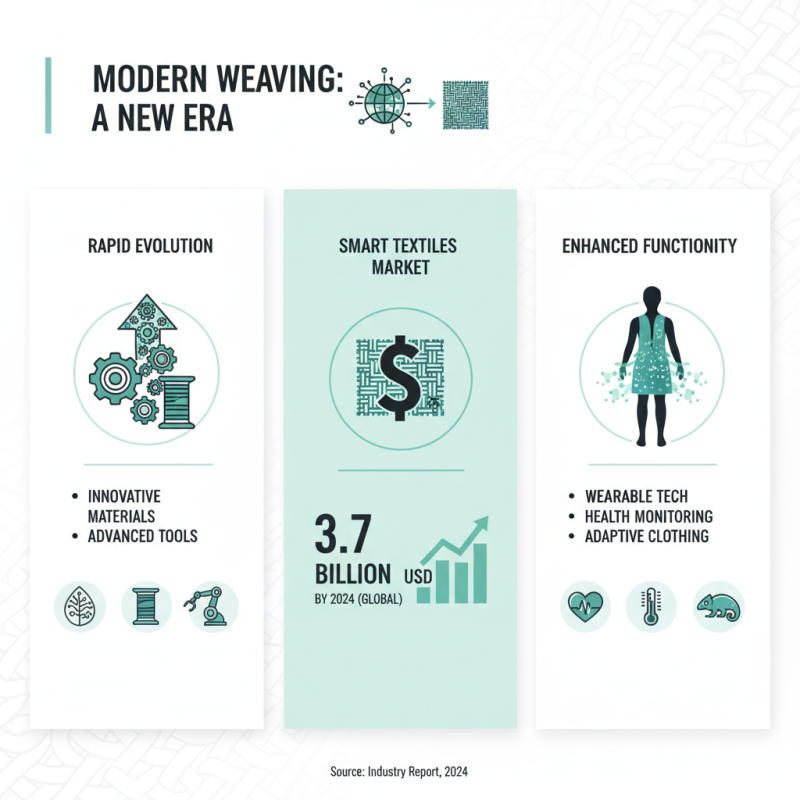
Modern weaving techniques are evolving rapidly. Innovative materials and tools are shaping the textile production landscape. According to a recent industry report, the global smart textiles market is expected to reach $3.7 billion by 2024. This growth reflects the increasing demand for enhanced functionality in textiles.
Embracing new materials, such as conductive fabrics and eco-friendly fibers, can revolutionize your weaving practice. Conductive yarn allows for embedding technology within textiles. Eco-friendly fibers reduce the environmental impact of production. These innovations challenge traditional methods and require adaptation.
Tips: Experiment with different materials. Start with small samples to understand their properties. Keep a log of what works and what doesn’t. This reflection can help improve your skills and processes.
As tools evolve, so should your techniques. Automatic looms and digital design software can offer precision and creativity. However, they also introduce complexity. Learning to use these tools might come with a steep learning curve. Adjustments in your technique may take time and patience.
Tips: Schedule practice sessions with new tools. Document your progress, even when it feels frustrating. This can provide insight into your development. Remember, mastery is a journey filled with trial and error.
Step-by-Step Guide to Setting Up a Weaving Project Efficiently
Setting up a weaving project can be exciting yet challenging. Begin with a clear vision of what you want to create. Sketch your design ideas on paper. Consider colors, patterns, and textures. Gather inspiration from nature, art, or everyday objects. Imagining the final product helps guide the entire process.
Next, select the right materials. Use various yarn types and thicknesses. Cotton, wool, or synthetic fibers are common choices. Each material affects the final texture. Experimenting can lead to unexpected results. Create swatches to test your yarn combinations. This step is crucial, as it saves time later.
Once materials are ready, set up your loom carefully. Ensure it is stable and level. Check the warp tension. Uneven tension can lead to mistakes. Begin weaving, but don't expect perfection right away. Mistakes are part of learning. Reflect on what works and what doesn’t. Adjust your techniques as you go. This process fosters creativity and improvement in your weaving skills.
Integrating Technology: Using Software for Design and Production Optimization
The integration of technology into textile production has revolutionized the industry. Software tools can enhance both design and production processes. Designers now use advanced programs to visualize their concepts in real time. This allows for quick modifications. Yet, this rapid pace can lead to oversights. Mistakes in initial designs can translate into wasted resources.
Production optimization software streamlines operations. It can predict issues before they arise. However, relying too heavily on technology may diminish human intuition. Workers might become less engaged when algorithms dictate the process. It’s important to balance automation with hands-on craftsmanship. Craftsmanship brings a unique touch that software cannot replicate. This tension between innovation and tradition is vital for growth.
The future of textile production lies in the blend of tech and artistry. Experimenting with new software is essential for staying competitive. However, there is a learning curve. Teams must adapt and reflect on their processes. Embracing technology while maintaining the human element will lead to more creative possibilities. This journey is ongoing, requiring constant attention and adjustments.
Weaving Technology Advancement in Textile Production
This chart illustrates the increasing investment in weaving technology over the years, highlighting the trend towards integrating innovative technologies in textile production.
Sustainability in Weaving: Techniques for Environmentally Friendly Practices
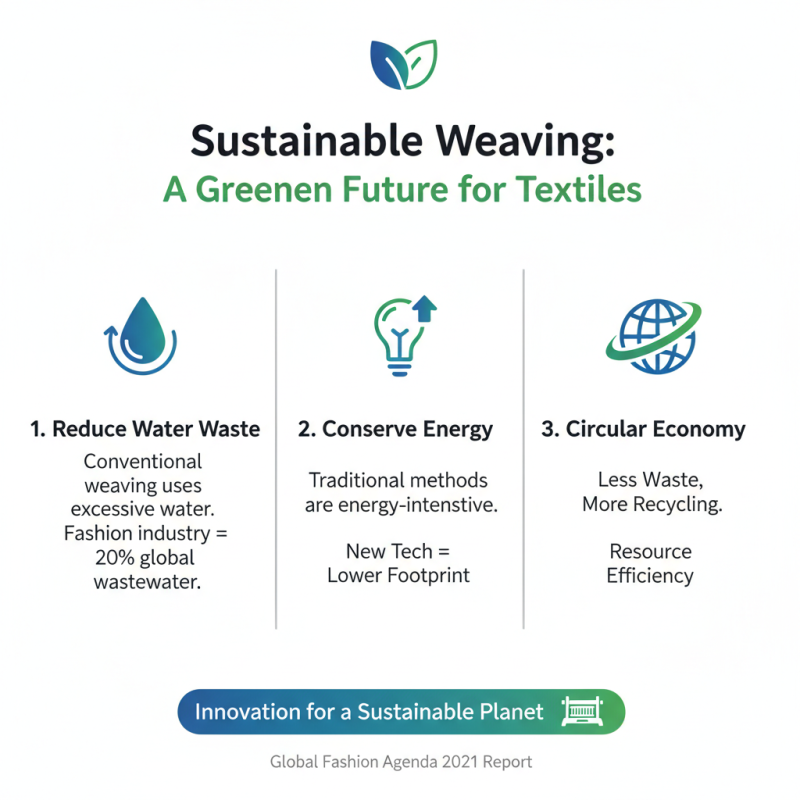
Sustainability in weaving is crucial for the future of textile production. Conventional weaving methods can be resource-intensive, often wasting water and energy. The Global Fashion Agenda’s 2021 report highlights that the fashion industry is responsible for 20% of global wastewater.
Many weavers now explore eco-friendly alternatives. For instance, organic cotton uses 91% less water compared to conventional cotton. While this is promising, challenges remain. Organic fibers often have a higher cost and limited supply, which can deter widespread adoption.
Recycling textiles can lead to significant reductions in waste. A study by the Ellen MacArthur Foundation revealed that recycling could save 60 million tons of waste per year. Weaving technology must evolve to include these practices. Despite efforts, the industry still struggles to shift fully to sustainable methods. Finding balance is key. Embracing innovation while acknowledging current shortcomings is essential for progress.