How to Choose the Right Weaving Machine for Your Textile Projects?
Choosing the right weaving machine can be a daunting task. The market offers various machines, each suited for specific needs. According to Dr. Sarah Thompson, a renowned textile engineer, "Selecting the right weaving machine can greatly impact the final fabric quality."
Understanding your project requirements is crucial. Different weaving machines cater to different textile types. Some may excel at cotton, while others are better for silk or wool. An appropriate machine can enhance efficiency and quality. An expert's guidance can help narrow down options. However, not all advice may suit your unique situation.
It’s essential to consider your production scale and budget. Some weaving machines cost significantly more than others. Occasionally, it’s tempting to opt for cheaper models, but they might lack necessary features. Reflect on the long-term benefits of investing in quality. Choosing the right weaving machine is not just about immediate costs; it’s about achieving your textile vision effectively.
Understanding Different Types of Weaving Machines Available Today
When selecting a weaving machine, understanding the types available is crucial. The most common types include the hand loom, power loom, and Jacquard loom. Hand looms are great for intricate designs. They offer flexibility but require significant skill. This may deter beginners or those seeking efficiency.
Power looms focus on speed and productivity. They can produce large volumes quickly, making them ideal for commercial projects. However, the machine’s complexity may lead to breakdowns, requiring regular maintenance. It's important to weigh the time saved against potential repair costs.
Jacquard looms allow for elaborate patterns. They use a series of cards to create designs. This complexity can be daunting for new users. Understanding how to set up and program them is critical. Mistakes in the setup can lead to wasted materials and frustration. Each machine has its pros and cons, so thoughtful consideration will lead to better project outcomes.
Weaving Machine Types and Their Popularity
This chart displays the popularity of different types of weaving machines based on the number of users. Jacquard looms are the most popular, followed by shuttle looms, rapier looms, airjet looms, and waterjet looms.
Evaluating Your Textile Project Requirements for Machine Selection
Choosing the right weaving machine requires a deep understanding of your project’s needs. Each textile project is unique, with different requirements for fabric type, production volume, and design complexity. Evaluating these factors is essential for selecting the best machine for your goals.
When considering your textile projects, think about the type of fabric you want to create. For instance, lightweight fabrics may require different machinery than heavier materials. Production volume is another critical factor. High-volume projects demand robust machines that can operate efficiently over extended periods.
Tips: Think about your budget too. High-quality machines can be a significant investment. But, cheaper options may not offer the durability needed for long-term use. Don’t overlook the space available for the machine. Ensure you have sufficient room for both operation and maintenance.
Reflect on your design intricacies as well. Complex patterns might necessitate advanced weaving technology. Understanding these details will guide you toward the right choice. Measure your needs accurately, and don’t rush into a decision. It’s okay to ask for advice or conduct further research. The right machine can elevate your project and enhance your textile creations.
Key Features to Consider When Choosing a Weaving Machine
Choosing the right weaving machine for your textile projects involves several critical features. First, consider the machine's weaving width. A wider loom allows for larger fabric production, which can save time on setup and increase efficiency. According to industry data, expanding the weaving width by just 10% can lead to a 5% boost in productivity in certain projects.
Next, look at the type of weaving mechanism. Different looms, such as Jacquard or dobby machines, serve specific needs. Jacquard machines are ideal for intricate patterns, while dobby looms better suit simpler designs. A report from the Textile Machinery Association highlighted that 30% of textile producers reported increased demand for versatile weaving machines that can handle multiple designs.
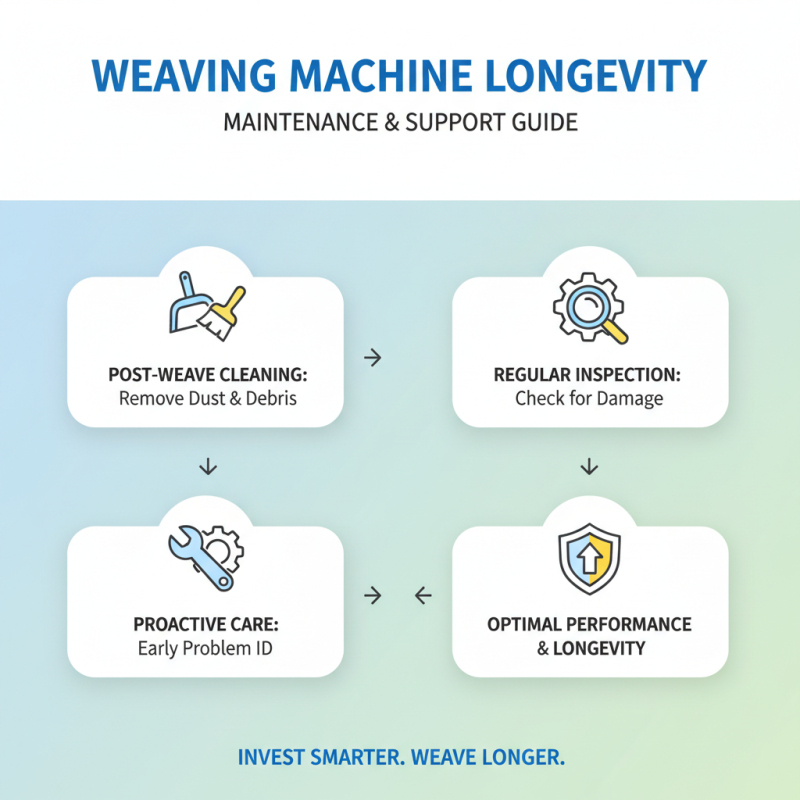
Also, watch for ease of operation and maintenance. Simpler machines reduce downtime and training costs. An internal study noted that operators spent 15% less time on maintenance with user-friendly machines. Consider machine weight and portability if your projects involve trade shows or traveling. These elements may seem minor, but they significantly impact overall efficiency.
How to Choose the Right Weaving Machine for Your Textile Projects? - Key Features to Consider When Choosing a Weaving Machine
| Feature |
Description |
Importance |
| Machine Type |
Choose between handlooms, semi-automatic, or fully automatic machines based on your skill level and project needs. |
High |
| Weaving Width |
Consider the maximum width of the fabric you wish to create. |
Medium |
| Speed of Operation |
Assess the machine's speed, which affects production efficiency. |
High |
| Ease of Use |
Look for intuitive interfaces and ease of setup to reduce learning time. |
High |
| Durability |
Select models known for their longevity and resistance to wear. |
Medium |
| Maintenance Needs |
Consider the ease of maintenance and availability of spare parts. |
Medium |
| Type of Yarn |
Ensure compatibility with the types of yarn (cotton, wool, synthetic) you plan to use. |
High |
| Price Range |
Take into account your budget while still weighing the machine's capabilities. |
High |
Budgeting for Your Weaving Machine Investment: What to Expect
Investing in a weaving machine is a significant decision. Your budget will depend on several factors. First, consider the type of projects you want to undertake. If you're planning small-scale textile projects, a basic model may suffice. However, for larger, more complex projects, you might need a more advanced machine. Prices can vary widely, ranging from a few hundred to several thousand dollars.
Think about additional costs as well. Maintenance is often overlooked. Regular upkeep ensures your machine runs smoothly but can add to your overall expense. Don't forget accessories and materials like threads, yarns, and fabric. These costs can accumulate quickly. You might underestimate how much these essentials can affect your budget.
Research the market to find what fits your needs. Read reviews, seek advice from experienced weavers, and visit local fabric shops. Understanding the long-term investment is crucial. It might be tempting to choose the cheapest option. But this could lead to frustration and replacement costs down the line. Weigh your options carefully to find a balance between cost and quality.