Tips for Choosing the Best Italian Fabric for Your Projects?

When it comes to crafting exquisite pieces, choosing the right fabric is essential. Italian fabric is renowned for its quality and elegance. These fabrics can elevate any project, from garments to upholstery. However, selecting the perfect Italian fabric can be overwhelming.

Consider the texture and weight of the fabric. Will it drape beautifully over your design? Look for vibrant colors and patterns that inspire you. Authentic Italian textiles often have a unique feel. This can add a layer of sophistication to your work. But remember, not all Italian fabrics are equal. Some may not meet your project’s needs. Don’t rush the decision.

Reflect on the purpose of your project. This can guide your fabric choice significantly. Consider if the fabric will withstand wear or if it is purely for aesthetic appeal. Each decision can impact your final output. Choosing Italian fabric is an art in itself, deserving time and thought.
Tips for Choosing the Best Italian Fabric for Your Projects?

Understanding Different Types of Italian Fabrics Available
Tips for Choosing the Best Italian Fabric for Your Projects?

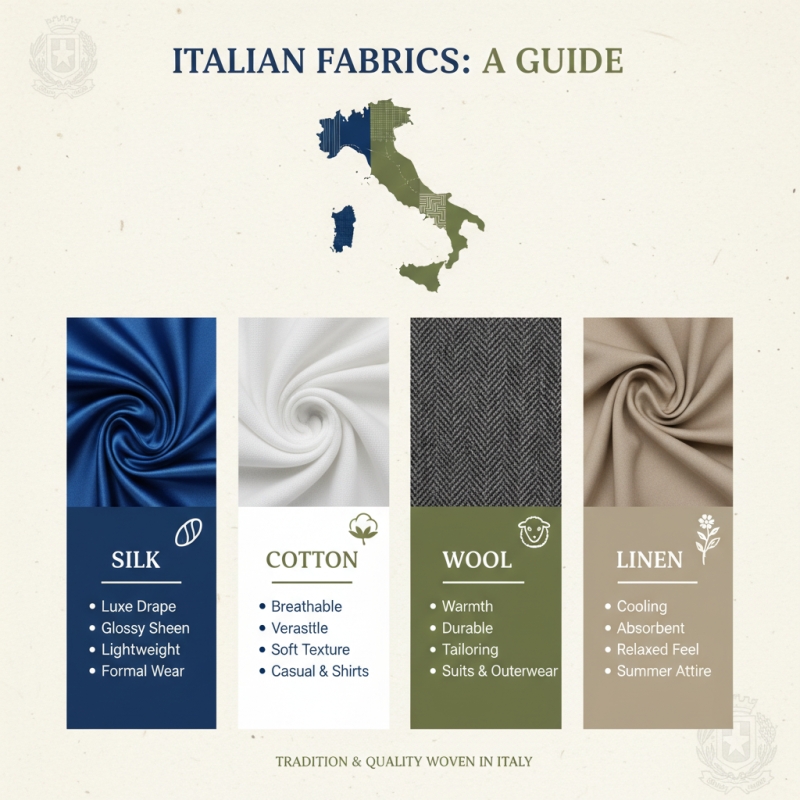
When choosing Italian fabrics, understanding the different types is crucial. Italy is renowned for its rich textile heritage. Various fabrics cater to diverse styles and uses. Silk, cotton, wool, and linen each offer unique textures and qualities.

Silk from Italy is often luxurious. It drapes beautifully and is ideal for elegant garments. However, it can be delicate. Cotton is versatile and breathable, making it suitable for both casual wear and home decor. Yet, lower-quality cotton might fade or wear quickly. Wool is warm and durable, perfect for winter clothing, but it can be heavy. Linen, known for its breathability, works well in summer. However, it wrinkles easily, which can be a drawback.

Reports indicate that Italian textiles account for a significant percentage of global luxury fabric sales, approximately 25%. This highlights the demand and quality associated with these fabrics. When selecting the best fabric for your projects, consider texture, breathability, and durability. Accounting for the intended use can prevent future disappointments.
Assessing Fabric Quality: Key Characteristics to Consider

When selecting Italian fabric, quality is paramount. Several key characteristics can help assess the fabric's worth. Look for the thread count; higher counts often indicate a denser, more durable material. Studies show that fabrics with at least 200 thread counts typically offer a better feel and longevity.

Another important factor is the weight of the fabric. Lightweight fabrics can be elegant but may lack durability. Conversely, heavier fabrics often provide structure and longevity. Data indicates that a weight of 200 grams per square meter (GSM) is common for high-quality upholstery materials. It’s crucial to balance weight against your project’s needs.

Lastly, consider the fabric's breathability. Natural fibers like cotton and linen usually offer better airflow. This affects comfort, especially for clothing. Poor quality fabrics may feel stifling and lead to dissatisfaction. Remember to test the fabric's drape. A beautiful drape enhances aesthetics but may also hide flaws. Ensuring the right choice involves careful evaluation and sometimes painful trial and error.

Tips for Choosing the Best Italian Fabric for Your Projects

Fabric Type Key Characteristics Best Use Cases Care Instructions
Cotton Breathable, soft, durable Shirts, dresses, home décor Machine wash cold, tumble dry low
Silk Luxurious, soft, lightweight Evening gowns, blouses, scarves Dry clean only
Wool Warm, resilient, water-resistant Coats, suits, knitwear Hand wash or dry clean
Linen Cool, breathable, strong Summer dresses, trousers, tablecloths Machine wash cold, iron while damp
Velvet Soft, rich texture, elegant Formal wear, upholstery, accessories Dry clean only

Identifying the Right Fabric Weight for Your Project

Choosing the right fabric weight is essential for any sewing project. It influences the drape and structure of your finished item. Lighter fabrics work well for flowy garments, while heavier fabrics offer more support. Consider what kind of style you envision for your project.

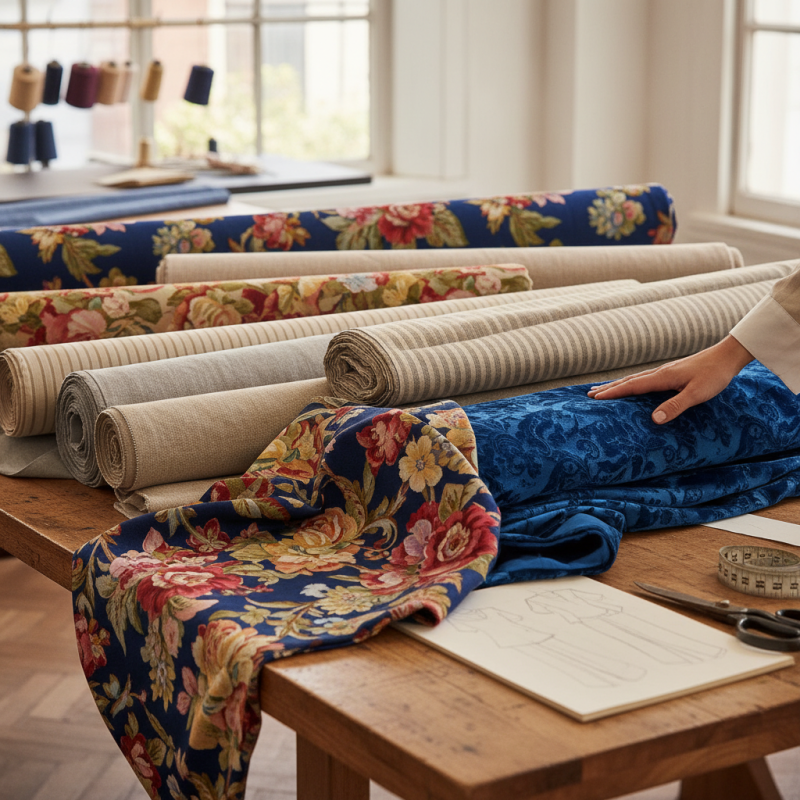
When selecting fabric weight, it's often helpful to hold it in your hands. Feel its texture, and see how it falls. Some light fabrics might seem beautiful, but they can be tricky to work with. A delicate chiffon may require careful handling and special techniques. Heavier fabrics like canvas can be more forgiving, but they can also be cumbersome to sew.

Reflecting on your project’s requirements is key. One might think a lightweight option suits everything, but it may not hold its shape. Using a heavier fabric for structured designs can make a significant difference. Pay attention to how different weights interact with your pattern. Experimentation is part of the journey, and sometimes mistakes lead to the best discoveries.

Evaluating Color and Pattern Options in Italian Textiles

When exploring Italian textiles, color and pattern are essential elements. The vibrant hues and intricate designs often reflect the rich culture of Italy. It's important to consider how these colors will fit into your project. For instance, a deep azure silk might harmonize beautifully in a modern bedroom setting, while a classic paisley pattern can add elegance to a formal space.

Consider the emotions that colors evoke. Warm colors can create intimacy, while cooler tones tend to feel serene. Patterns can convey a story or theme. However, be mindful of the scale of your chosen pattern. Large designs might overwhelm a small space, while tiny prints can get lost in larger projects.

Choosing the right combination requires reflection. Sometimes, you might find the perfect fabric but realize it clashes with your overall vision. This can lead to redesigns and changes in your approach. Creating swatch boards can help visualize your options, but even those might not capture the fabric's true essence. It takes time to find the right balance, but the journey is often as rewarding as the final outcome.

Tips for Choosing the Best Italian Fabric for Your Projects

Budgeting for Italian Fabrics: Cost vs. Quality Analysis

Tips for Choosing the Best Italian Fabric for Your Projects?

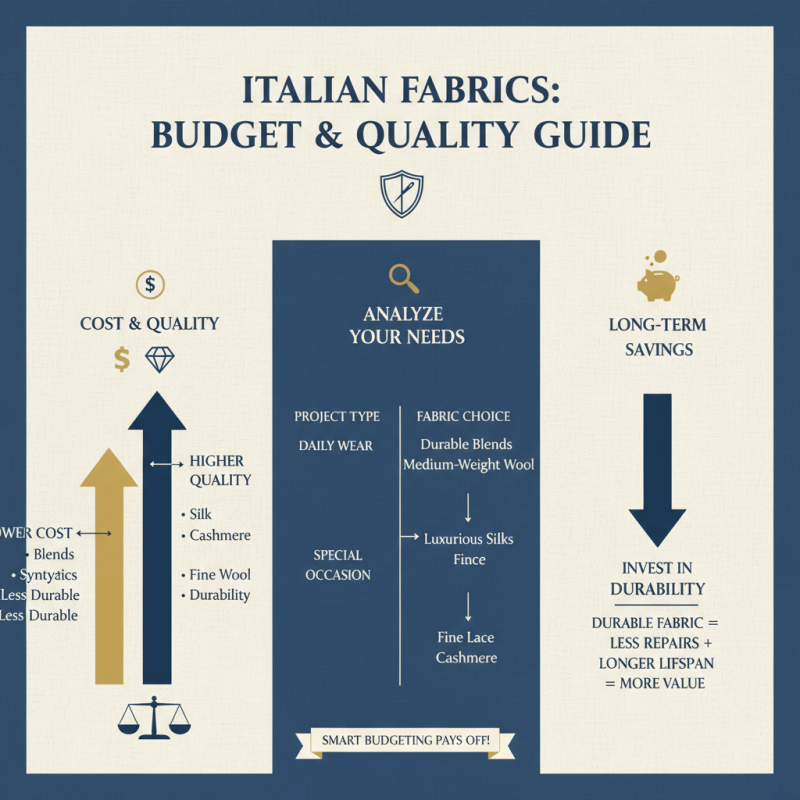
When budgeting for Italian fabrics, cost and quality often go hand in hand. Italian fabrics can be luxurious, but they may stretch your budget. It's crucial to analyze what you need. Think about the project type. Will it be worn frequently or for special occasions? This will influence your choice. Spending more on durable fabric may save costs in the long run.

Research is vital. Look for fabric characteristics such as weight and texture. Some fabrics may appear rich but lack durability. It can be challenging to find the right balance between price and quality. Aim for fabrics that provide the best value. Sometimes a lower price may lead to disappointment. Consider samples before making a final decision.

Quality fabric can elevate your project significantly. A well-made garment reflects attention to detail. However, be cautious about overspending. It’s easy to get carried away when shopping for premium materials. Establish a clear budget. Reflect on past purchases. Were they worth the price? Learning from experience is essential. Next time, choose wisely.