Why Choose a Textile Making Machine for Your Business?
The textile industry is undergoing a significant transformation, largely driven by advancements in technology. One critical area of innovation is the use of Textile Making Machines. According to a recent report by Technavio, the global textile machinery market is expected to grow at a compound annual growth rate (CAGR) of over 5% through 2025. This growth highlights the importance of machinery in boosting productivity and efficiency.
Industry expert Dr. Emily Chen states, "Investing in a Textile Making Machine can drastically enhance production capabilities." Her insights underline the necessity of modern machines in staying competitive. Without proper machinery, businesses risk losing their market edge.
However, the decision to invest in textile machinery warrants careful consideration. Not all machines are created equally; factors like cost, maintenance, and replacement parts can impact overall success. Reflecting on these challenges is essential for businesses striving to adopt innovative technologies. Understanding both the potential rewards and pitfalls can lead to more informed decisions in a fast-paced industry.
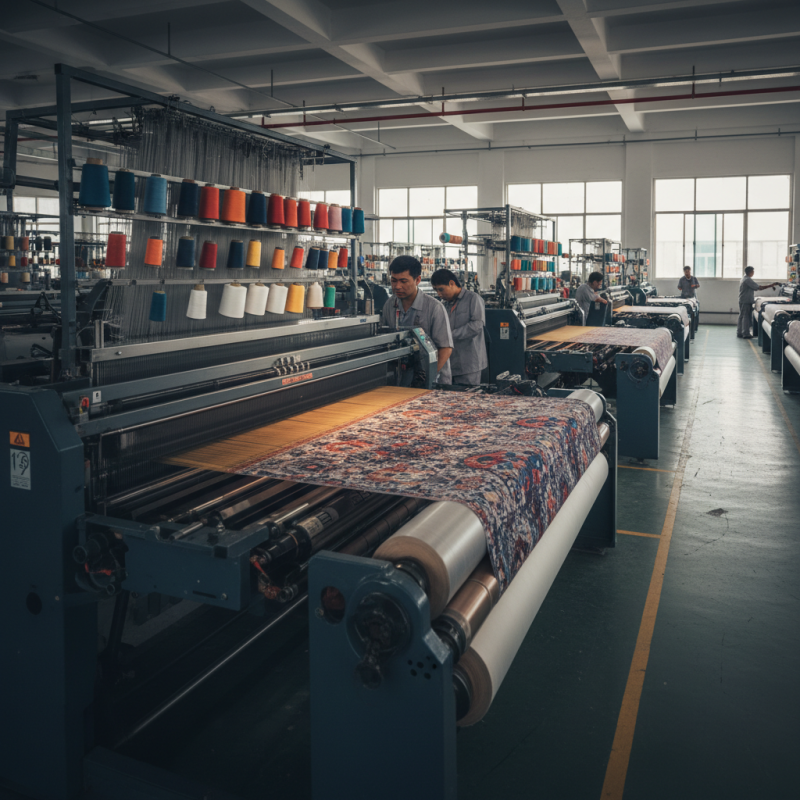
Advantages of Using Textile Making Machines in Production
Textile making machines offer significant benefits for businesses in the textile industry. These machines enhance production efficiency and reduce labor costs. According to industry reports, automating textile production can increase output by up to 50%. This allows companies to scale their operations quickly and meet consumer demand.
Using advanced machinery also improves product consistency. With precise control over fabric quality, manufacturers can reduce errors and waste. A recent study showed that quality issues account for nearly 30% of production losses in the textile sector. By investing in textile making machines, businesses can mitigate this risk, leading to higher profitability.
Tip: Regular maintenance of machines can extend their lifespan. Schedule routine checks to avoid costly downtimes.
Moreover, textile making machines can adapt to various fabric types. This flexibility helps businesses innovate and respond to market trends. However, investment costs can be a concern. It’s essential to evaluate the long-term return on investment. Businesses must reflect on whether they can afford to upgrade their equipment now or wait for future opportunities.
Tip: Consider leasing machines as an alternative. This can lower initial expenses and allow for easier upgrades.
Key Features to Consider When Choosing Textile Making Machines
When selecting a textile making machine, understanding key features is crucial. Look at production speed and efficiency. According to a recent study by Textile World, machines with higher speeds can boost output by 30%. This means quicker turnaround times and more work completed daily. A machine that operates at high efficiency can significantly reduce energy costs. This feature is essential for businesses focused on sustainability.
Another important factor is the versatility of the machine. Many companies now require machines that can handle various fabrics. Machines that provide flexibility in fabric types can meet diverse customer demands. A report from Fabrics and Textiles indicates that businesses with versatile machines saw a 20% increase in client satisfaction. This adaptability allows for quick reaction to trends.
Ease of maintenance is often overlooked. Simple maintenance routines can ensure longevity, but not all machines offer this. A detailed maintenance schedule is vital for long-term operation. Some machines may require frequent service, causing downtime. Investing time in understanding these aspects can prevent future regrets about equipment choices. Each of these features impacts daily operations and overall business success, making the selection process significantly important.
Why Choose a Textile Making Machine for Your Business? - Key Features to Consider When Choosing Textile Making Machines
| Feature | Description | Importance |
| Automation | Machines with automated functions reduce labor costs and improve efficiency. | High |
| Versatility | Ability to work with different types of fabrics for various applications. | Medium |
| Energy Efficiency | Machines designed to consume less energy which lowers operational costs. | High |
| User-Friendliness | Intuitive controls that allow operators to use the machine effectively. | Medium |
| Maintenance Requirements | Machines that require less frequent maintenance can save time and costs. | High |
| Support & Training | Availability of manufacturer support and training for staff enhances performance. | Medium |
Cost Efficiency and Long-Term Savings with Textile Making Machines
Investing in a textile making machine can significantly impact your business's bottom line. These machines optimize production processes. They reduce labor costs and minimize waste, leading to more efficient operations. Over time, the initial investment pays off through increased productivity and reduced material expenses.
Long-term savings are not just theoretical. Many businesses report a noticeable decrease in operational costs after acquiring such machines. Routine maintenance is essential, yet it can lead to better performance and longevity. By choosing reliable machinery, you can avoid frequent breakdowns. This isn’t just about spending less; it's about smart spending.
Of course, challenges can arise. Not every machine suits every operation. Businesses must assess their unique needs first. Identifying the right system may require careful research. However, the potential benefits often outweigh the initial hurdles. Taking the plunge into textile technology could redefine your production landscape.
Impact of Textile Making Machines on Product Quality and Consistency
Textile making machines play a vital role in enhancing product quality and consistency. By automating various processes, these machines ensure precision in fabric production. Consistency in thickness, color, and texture is crucial for meeting customer expectations. Machines reduce human error, leading to fewer defects in the final product. This level of accuracy is often hard to achieve manually.
However, relying solely on machines can sometimes lead to oversights. Not every machine is perfectly calibrated. Operators must regularly check settings to prevent inconsistencies. Occasionally, machines may produce materials that lack the desired feel or appearance. This gap can affect brand reputation and customer satisfaction in the long run. Balancing automation with skilled oversight is key to achieving the best results.
Investing in high-quality textile machines can be beneficial, but challenges exist. Issues like machine downtime and maintenance can disrupt production schedules. Moreover, initial costs can be significant. Still, many businesses find that the long-term benefits outweigh these drawbacks, especially when they see improved product quality. Regular evaluation of machine performance is essential. This reflection allows companies to refine their processes and enhance overall efficiency.
Trends in Textile Machinery Technology and Their Business Benefits
Textile machinery technology is evolving rapidly. Businesses must adapt to these changes. Advances in automation are leading the way. Machines now operate efficiently, reducing human error. This can lower production costs significantly. Companies can produce more in less time, a big plus for profitability.
Sustainability is another major trend. Many new machines use less energy. They can also minimize waste. This is crucial as eco-conscious consumers grow in number. However, implementing these technologies can be expensive. Businesses must weigh the benefits against the costs carefully. Investing in new machinery is risky. A wrong choice could lead to losses.
Customization is also key. Modern machines can create unique fabric designs. This allows businesses to stand out in a crowded market. Yet, training staff to operate advanced machinery can take time and effort. There might be a learning curve that complicates things. Embracing change is essential but challenging. Balancing innovation with practicality is vital for success.
Trends in Textile Machinery Technology and Their Business Benefits