China Top Satin Sleep Mask Manufacturers for Global Buyers
Choosing among China’s top Satin Sleep Mask manufacturers requires more than comparing prices and product photos. Global buyers need dependable quality, clear communication, and production experience. A well-made Satin Sleep Mask should feel smooth against the skin, block unwanted light, and remain comfortable throughout the night. Details matter, including fabric weight, stitching, elastic recovery, lining, and packaging protection.
Experienced Chinese manufacturers often support private labeling, custom colors, logo applications, and retail-ready packaging. Their capabilities may include sampling, bulk production, inspection, and export coordination. However, “top manufacturer” is not a universal label. A supplier with impressive equipment may still lack consistent quality control. Another factory may offer excellent craftsmanship but have limited capacity during peak seasons.
Look closely.
Reliable buyers should request material specifications, sample approval, production timelines, and documented inspection procedures. Satin can be made from different fibers, so its appearance alone does not confirm performance. Clear product data helps prevent misunderstandings about softness, durability, care instructions, and final costs. Factory audits, verified business information, and practical communication also strengthen purchasing decisions.
This guide introduces reputable Chinese manufacturers serving international markets. It considers manufacturing experience, customization services, quality practices, order flexibility, and buyer support. Some information may change as factories expand or adjust their product ranges. That uncertainty deserves attention. A thoughtful comparison can help brands select a suitable Satin Sleep Mask partner, rather than simply choosing the lowest quotation.
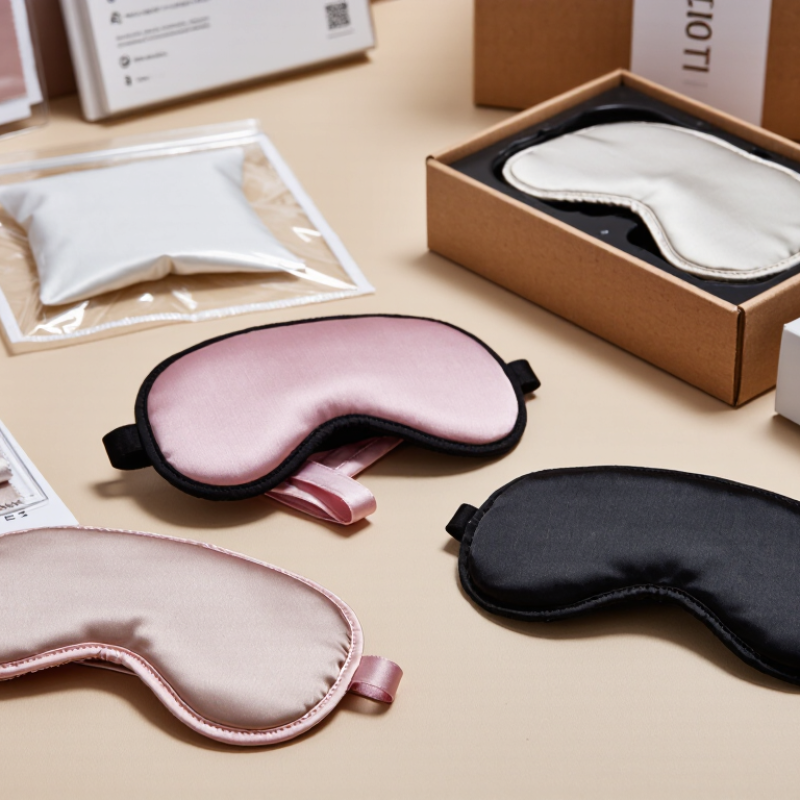
What Defines a Leading Satin Sleep Mask Manufacturer in China
A leading satin sleep mask manufacturer in China starts with material clarity. Satin describes a weave, not a specific fiber. That distinction matters when buyers compare silk satin, polyester satin, and blended fabrics. Responsible teams explain the fiber content, fabric weight, finish, and care requirements. They do not rely on polished photos alone. For sleep comfort, manufacturers should evaluate softness, breathability, colorfastness, and skin contact. Fabric samples should also be checked after washing. Small details matter.
Manufacturing experience appears in construction quality. A reliable factory controls cutting accuracy, elastic recovery, seam strength, padding placement, and edge finishing. If silk satin is requested, technical staff should confirm the grade and weight before production. Sample approval should record dimensions, stitching, label placement, packaging, and acceptable defects. A documented inspection plan makes quality more measurable. It also gives buyers evidence beyond promises.
Communication separates a capable supplier from a merely attractive one. Leading manufacturers provide clear quotations, realistic lead times, traceable material records, and pre-shipment inspection reports. They should discuss destination-market testing when required. No factory gets every detail perfect. A supplier may still need improvement in sampling speed or packaging consistency. The strongest partner admits limitations and proposes practical corrections. That honesty often protects long-term orders better than exaggerated claims.
Key Manufacturing Regions and Supplier Capabilities
China Top Satin Sleep Mask Manufacturers for Global Buyers
China’s satin sleep mask production is clustered across several textile regions. Zhejiang is known for silk fabrics, dyeing, and flexible small-batch production. Jiangsu suppliers often provide smooth satin, woven labels, and refined stitching. Guangdong factories commonly combine accessory sourcing with fast export-oriented assembly. Regional strengths vary by factory, not just by province.
Experienced buyers should inspect fabric composition, seam accuracy, elastic recovery, and packaging control. A capable supplier can offer custom colors, embroidery, private packaging, and size adjustments. Many factories support sampling before bulk production. Ask for fabric test reports and a clear inspection standard. Details matter.
During supplier audits, I would check whether production matches the approved sample. Some workshops present polished samples but outsource key processes. That gap matters. Confirm dyeing control, needle inspection, carton protection, and replacement terms in writing. Smaller manufacturers may offer better communication, yet their quality systems can be less consistent. Larger facilities usually provide stronger documentation, but minimum order quantities may be higher. A practical sourcing decision should balance regional capability, production evidence, and transparent communication.
China’s Key Satin Sleep Mask Manufacturing Regions and Supplier Capabilities
Comparative regional capability index for global buyers
Guangdong and Zhejiang combine strong OEM/ODM infrastructure with mature export logistics. Jiangsu is particularly recognized for silk and high-quality textile production, while Fujian offers flexible apparel and accessory manufacturing. Shandong has a solid textile base and is suitable for cost-conscious, larger-volume sourcing. Scores use a comparative 1–5 regional capability index and do not represent any individual company or brand.
Quality Standards, Certifications, and Production Controls
China Top Satin Sleep Mask Manufacturers for Global Buyers
Reliable satin sleep mask manufacturers treat quality as a controlled process, not a finishing promise. They inspect fabric composition, weight, weave, color, and surface smoothness before cutting. A practical factory should record batch numbers and supplier details for every roll. This makes defects easier to trace.
Certifications can support buyer confidence. ISO 9001 indicates a documented quality management system, while OEKO-TEX Standard 100 may confirm tested materials for harmful substances. Some manufacturers also hold GRS certification when recycled fibers are used. Buyers should verify certificate numbers, issuing bodies, product scope, and expiry dates. A logo alone proves very little.
Production controls should cover cutting accuracy, stitching strength, elastic recovery, and final appearance. Inspectors can check dimensions, loose threads, stains, odor, and packaging damage through an agreed AQL plan. Each production batch should include inspection records and retained samples. Pre-shipment checks matter.
No factory is flawless. Satin can snag during handling, and color may shift between fabric lots. Experienced teams identify these risks early, then adjust handling and approval procedures. Buyers should request a sample, test the actual fabric, and review corrective-action records. Clear communication often prevents expensive rework. Supplier claims still require evidence.
How to Evaluate and Select the Right Chinese Manufacturer
China remains a major sourcing base for sleep accessories. The WTO reported that China supplied about 31% of global textile exports in 2022. That scale helps buyers compare factories, but it also creates uneven quality. A polished catalog proves little.
Begin with factory evidence, not photographs. Request a current business license, production address, audit records, and recent export references. Check whether the facility cuts, sews, fills, and packs masks internally. Ask for fabric composition, satin weave details, weight, dimensions, and colorfastness results. Third-party testing should cover restricted substances, skin-contact safety, and packaging materials. Relevant textile standards matter more than vague “premium” claims.
Inspect samples under real conditions. Wear the mask for several nights. Check elastic recovery, seam pressure, loose threads, odor, and light leakage around the nose. Request a pre-production sample before approving bulk work. Agree on measurable tolerances, inspection stages, carton strength, and defect handling in writing. The ISO 9001 framework can help assess documented quality processes, but certification alone is not proof of consistent output. Remember this.
Market demand supports careful selection. The Global Wellness Institute valued the global wellness economy at 6.3 trillion dollars in 2023, while sleep products remain a visible part of that sector. Still, demand data cannot confirm a supplier’s reliability. My own checklist can be too factory-focused; communication speed and honest responses deserve equal weight. A manufacturer that admits limits may be safer than one promising everything.

