China Top 10 Sanitary Napkin Manufacturers

Sanitary Napkins are everyday products, but choosing a manufacturer involves more than comparing prices. Buyers may need to examine absorbent-core design, surface softness, adhesive strength, packaging, and production consistency. A pad that looks suitable in a sample may behave differently during extended wear. Small details matter.

Dr. Tlaleng Mofokeng, a physician and menstrual-health advocate, has said, “Menstrual health is a human rights issue.” Her reminder gives product quality real context: comfort, dependable access, and user needs belong in the discussion. This guide introduces ten manufacturers and considers factors such as product range, manufacturing capabilities, quality controls, and options for private-label buyers. These points can help shape an initial shortlist.

Still, a “top ten” list is not a universal verdict. Supplier suitability depends on target markets, order volumes, material preferences, documentation, and the buyer’s own verification. Ask for current specifications and representative samples. Check how each supplier handles production checks and product changes. Then compare answers carefully. Not every promising brochure tells the whole story. This overview is a starting point, not a substitute for direct due diligence.
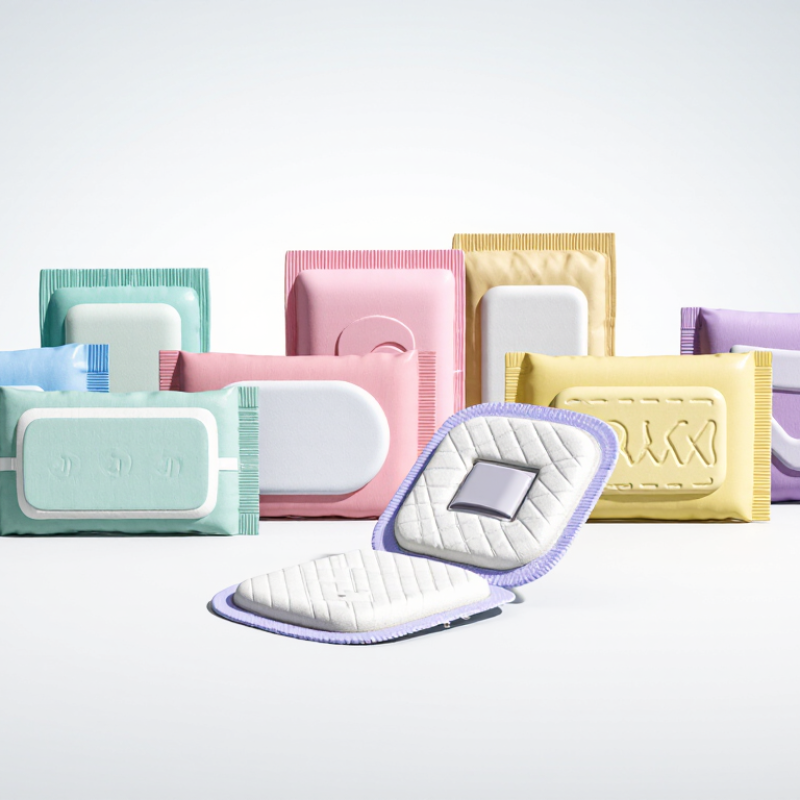
China Top 10 Sanitary Napkin Manufacturers

Overview of China’s Sanitary Napkin Manufacturing Industry

China Top 10 Sanitary Napkin Manufacturers

China’s sanitary napkin industry combines large-scale production with increasingly varied consumer needs. The China National Household Paper Industry Association’s 2023 industry report estimated the market at about RMB 120 billion. That scale supports extensive converting capacity, from absorbent-core preparation to high-speed packaging. Yet national market estimates differ by research method, so the figure should be treated as an indicator, not an audited total.

Manufacturers typically source pulp, nonwoven fabric, absorbent polymers, and packaging materials through complex supply networks. Production lines convert these inputs into thin, layered pads, then inspect dimensions, seals, and absorbency. Small changes matter. A weak seal or uneven core can affect comfort and product consistency. Quality teams therefore rely on documented sampling, equipment checks, and batch records—not appearance alone.

Industry development is also shaped by product segmentation, online retail, and demand for lighter, more breathable designs. China’s large domestic market encourages both high-volume standard production and shorter runs for differentiated specifications. But scale is not the whole story. Some suppliers may find it difficult to balance rapid product changes with stable process control. This deserves more attention in industry assessments, particularly when comparing manufacturing capability rather than factory size alone.

Criteria for Identifying Leading Chinese Manufacturers

Choosing among Chinese sanitary napkin manufacturers requires more than comparing catalog prices. Start with material traceability: can a supplier identify the batch and origin of topsheets, absorbent cores, adhesives, and release paper? Request recent test reports for absorption speed, rewet, leakage, and product dimensions. Check that report names, product codes, and production sites match the quoted items. Details matter. During a factory review, observe line hygiene, sealed material storage, and how workers record defects. A polished showroom is useful, but it cannot replace production records or representative samples.

Assess quality systems and communication over time. Ask how incoming materials are inspected, rejected batches are isolated, and corrective actions are verified. Confirm which certifications are current and which sites or product categories they cover; a certificate alone says little about a specific item. Compare samples after normal wear and packaging transport, not only in a meeting room. Samples can surprise. Check capacity, minimum order quantities, lead times, and packaging options in writing. Price still matters, but unusually low quotes deserve questions about material weight, testing frequency, and change control. I would keep any shortlist provisional: one audit cannot reveal every shift’s habits.

Suggested screening framework for comparing sanitary napkin manufacturers. The percentages are editorial weights for buyer evaluation, not measured market statistics or scores for specific companies. Verify compliance against applicable standards and request supporting documentation from each supplier.

Profiles of Ten Major Sanitary Napkin Manufacturers in China

China’s sanitary napkin industry includes manufacturers with different scales, product priorities, and distribution strengths. These ten operating profiles offer a practical way to compare major producers without relying on a single ranking. Public disclosures vary, so production capacity and market reach should be checked against current company information.

An integrated producer may control material sourcing, converting, and packaging under one roof.

A regional high-volume manufacturer often serves nearby retailers with steady, widely used product formats.

An export-oriented producer typically emphasizes consistent specifications and packaging flexibility.

A materials-led manufacturer invests in topsheets, absorbent cores, and breathable backsheet design.

A comfort-focused producer may offer slim products, soft edges, or different absorbency levels.

Details matter. A value-focused manufacturer concentrates on dependable everyday products and efficient production.

A contract manufacturer can produce private-label goods for other sellers.

An e-commerce-focused producer may adjust pack sizes quickly in response to online demand.

A distribution-led manufacturer builds reach through local wholesalers and smaller shops.

A packaging-focused producer may reduce excess wrapping or improve pack handling, though claims need verification.

Scale is not everything. Useful comparisons include batch inspection, seal strength, labeling clarity, and documented quality controls.

This comparison is useful, but imperfect: product range alone cannot confirm factory performance, and published figures may not be directly comparable.

Product Ranges, Production Capabilities, and Quality Standards

China’s sanitary napkin manufacturers may offer day and overnight pads, pantyliners, maternity pads, and products with different lengths or absorbent-core designs. Some facilities can adjust wing shapes, top-sheet textures, packaging formats, and pack counts for varied retail requirements. Product range matters, but so does consistency. A soft surface is not useful if the core shifts during wear.

Production capabilities depend on equipment, staffing, and process control. Automated converting lines can combine nonwoven topsheets, absorbent materials, and moisture-resistant backsheets, then cut, seal, and pack finished products. Buyers should ask about line capacity, changeover times, material sourcing, and how defects are separated. Small details matter. A factory’s quoted output may not reflect its everyday production pace.

Reliable quality systems use documented checks from incoming materials through finished-goods release. Typical tests measure absorbency, rewet, leakage, dimensions, adhesive strength, and packaging seals. Some manufacturers also maintain traceability records and controlled hygiene procedures. Ask which test methods are used and whether results are recorded by production batch. Certifications can support confidence, but their scope and current validity should be verified. No checklist replaces a sample review. Even a well-equipped plant can have uneven results, so independent inspection and clear acceptance criteria remain practical safeguards.

Market Trends and Developments Shaping the Industry

China’s sanitary napkin industry is responding to demand for thinner products, softer surfaces, and more breathable materials. Consumers often notice practical details: whether wings stay in place during a commute, or whether an individually wrapped pad fits neatly into a small bag. These everyday experiences influence product development as much as shelf appearance. Comfort is personal, though. A material that feels gentle to one user may feel warm or damp to another.

Manufacturers are also refining absorbent cores and production lines to improve consistency. Sensors and automated inspection can help identify uneven sealing or misplaced components, while material testing can assess absorption and surface dryness. Small details matter. Yet lower material use should not automatically be treated as better design; products still need dependable performance across different flow levels. That balance is difficult, and it deserves more attention.

Packaging is shifting toward lighter formats and clearer disposal information, although progress varies between producers. Online feedback gives companies quick signals about fit, leakage, and irritation, but reviews rarely represent every user. Regional preferences and skin sensitivities complicate standardization. The market’s next challenge is not simply adding new features. It is showing, through clear product information and careful quality checks, that those features work in ordinary daily use.