Best Fabrics for Every Project You Need to Know?
Choosing the right fabric can be overwhelming. With so many options, it’s easy to feel lost. Every project has specific needs, and selecting the right material is crucial. "I need fabric," is a common phrase among creators. Expert designer Anna Lee once said, “The right fabric can turn a simple idea into a masterpiece.”
Different fabrics serve different purposes. Cotton is great for casual wear. Linen shines in summer outfits. Wool provides warmth in winter. Yet, despite the variety, many struggle with choices. You might wonder, "Am I picking the right fabric?" This doubt is normal. Boundless options can lead to confusion and regret.
When starting a project, consider your goals. Do you want comfort or durability? The solution isn't always clear. Sometimes, trial and error leads to the best results. Reflecting on your choices can provide clarity. The vast world of fabrics is waiting for exploration. Embrace the journey of finding the perfect match for your vision.
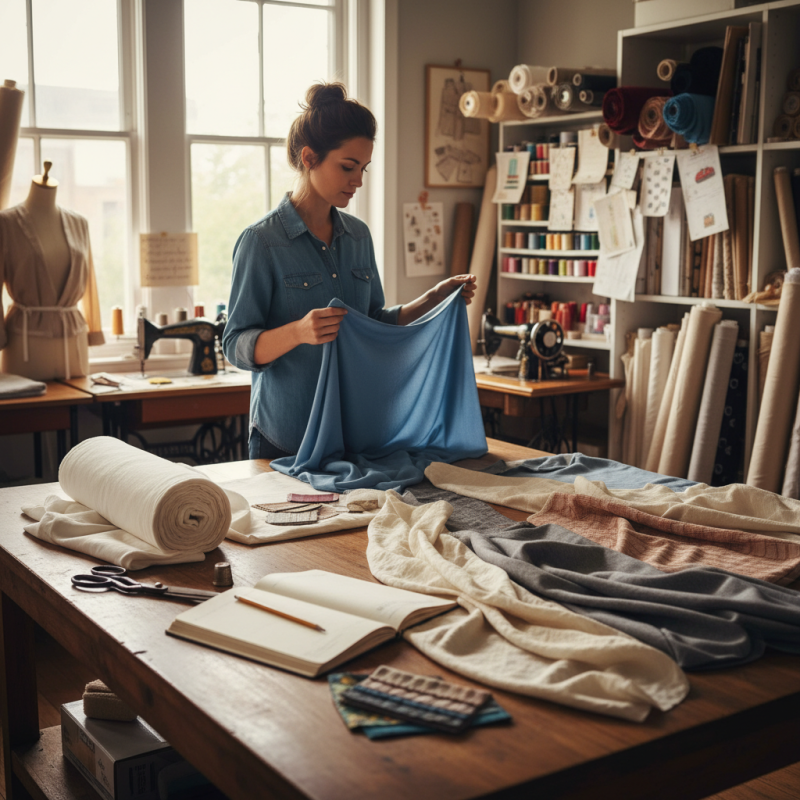
Understanding Fabric Types: A Comprehensive Overview
When diving into the world of fabrics, it’s essential to understand the different types available. Cotton is a common choice. It’s breathable and soft, ideal for casual wear. However, it creases easily and can shrink in the wash.
Linen, on the other hand, is perfect for summer projects. It's lightweight and has a unique texture. But it can be rough on sensitive skin.
Synthetics like polyester offer durability and resistance to wrinkles. They are easy to care for. However, they may lack breathability, making them uncomfortable in hot weather.
Natural fibers like silk add elegance but can be tricky to work with. They require special care and can be expensive.
Understanding these characteristics helps in making informed choices. Consider your project requirements carefully. Test swatches before committing. This is where the real learning happens. Don't hesitate if a fabric doesn't perform as expected. Reflect and adapt your choices for future projects.
Natural Fabrics: Cotton, Linen, and Wool Explained
Natural fabrics like cotton, linen, and wool offer unique qualities for various projects. Cotton is widely used for its comfort and breathability. It absorbs moisture well, making it perfect for clothing. According to the Textile Exchange, cotton accounts for 24% of global fiber production. However, the environmental impact of conventional cotton farming raises concerns. Water usage and pesticide application are significant issues.
Linen is another natural fabric derived from the flax plant. It is known for its durability and ability to wick away moisture. Linen has a natural luster and gets softer with each wash. Interestingly, it uses less water than cotton during cultivation. However, its stiffness can be a drawback for beginners. Some find it challenging to work with, especially in sewing projects.
Wool, sourced from sheep, is renowned for its insulating properties. It helps regulate temperature, keeping you warm in winter and cool in summer. Despite its benefits, wool can be more difficult to clean. People often face challenges with shrinking and felting. Many also have ethical concerns regarding sheep farming practices. Understanding these fabrics can greatly enhance your project choice and crafting experience.
Synthetic Fabrics: Characteristics and Common Uses
Synthetic fabrics have transformed the textile industry. They are made from chemical processes, offering unique qualities. Common types include polyester, nylon, and acrylic. These materials are durable and versatile. For instance, polyester is resistant to shrinking and stretching. Nylon, known for its strength, often features in outdoor gear and activewear. Acrylic mimics wool’s warmth while being lightweight.
However, synthetic fabrics are not without issues. They can cause problems like static and pilling. Many are not biodegradable. This raises concerns about environmental impact. According to the Global Fashion Agenda, around 60% of synthetic textiles end up in landfills. Awareness of these challenges is crucial when selecting materials for projects.
Tips: Always consider using recycled synthetic options. They reduce waste and provide similar benefits. Test fabric samples before committing. This helps identify any potential drawbacks. Balance functionality with sustainability; it’s essential for future projects.
Choosing the Right Fabric for Specific Projects
Choosing the right fabric for a specific project can make or break your outcome. Different fabrics serve various purposes. A 2022 study found that 75% of sewing errors are linked to incorrect fabric selection. This statistic is a wake-up call for every seamstress and tailor.
For clothing, fabrics like cotton and linen are popular, thanks to their breathability. But for activewear, synthetic materials perform better. They offer moisture-wicking properties. Yet, some natural fibers can still surprise you. A blend of cotton and spandex provides flexibility and comfort, especially for fitted garments.
Home décor projects have their own challenges. Upholstery fabric must resist wear, while curtains need to flow gracefully. A report in 2023 highlighted that 30% of DIY home projects fail due to inappropriate fabric choices. These missteps are often avoidable. Always consider the fabric’s durability and aesthetic appeal. Avoid rushing this vital decision. When in doubt, swatch multiple options to see how they interact with light and texture. Making informed choices is key to a successful project.
Best Fabrics for Every Project You Need to Know
Care and Maintenance Tips for Different Fabrics
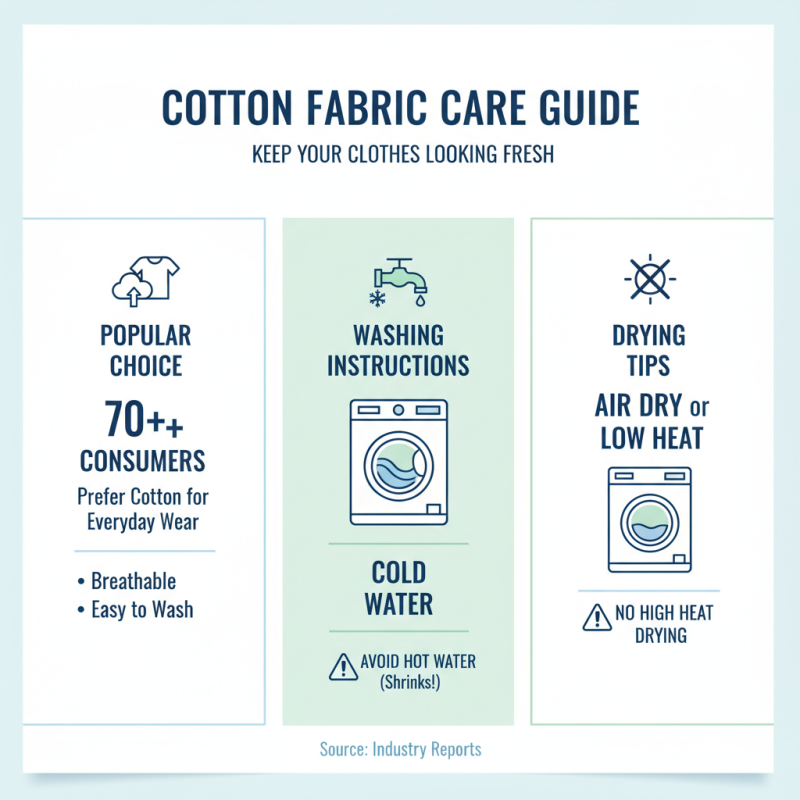
When it comes to fabric care, understanding each type is crucial. Cotton, for example, is a popular choice because it’s breathable and easy to wash. Industry reports show that over 70% of consumers prefer cotton for everyday clothing. However, cotton can shrink if washed in hot water. It’s important to use cold water and avoid high heat in the dryer to keep it looking fresh.
Synthetic fibers like polyester are also common. These fabrics are durable and often wrinkle-resistant. However, they can hold onto odors and may require special washing techniques. A recent study indicated that nearly 40% of polyester wearers notice scent retention. Washing polyester garments inside out can help maintain their shape and appearance. It’s also advisable to avoid fabric softeners, as they can coat synthetic fibers.
Silk and wool are more delicate. Caring for silk requires gentle hand washing or dry cleaning. The sensitivity of silk makes it prone to water stains. Wool, on the other hand, needs to be stored properly to prevent moth damage. Regular airing is necessary, but moisture should be avoided. Reports reveal that improper care can cause up to 30% of wool garments to become unwearable over time.