How to Achieve Textile Sustainability in Fashion Industry?
The fashion industry faces a critical challenge: achieving textile sustainability. With fast fashion dominating the market, enormous amounts of waste are created. The need for change is urgent. Textile sustainability goes beyond reducing waste; it encompasses ethical sourcing, eco-friendly materials, and transparent supply chains.
Many brands make claims about sustainability, yet their practices often do not reflect this. Consumers are becoming more aware, demanding greater accountability. They seek assurance that their clothing reflects their values. Yet, the complexity of the supply chain can obscure genuine efforts. This creates a paradox where brands must navigate consumer expectations while striving for real impact.
Innovative solutions are being explored, such as recycling old garments. This approach minimizes fabric waste and gives new life to tired pieces. However, the technological and logistical challenges remain daunting. The journey to true textile sustainability is ongoing and filled with obstacles. Each step forward requires reflection and commitment from both brands and consumers alike.

Understanding the Concept of Textile Sustainability in Fashion
Textile sustainability in the fashion industry is becoming increasingly crucial. The fashion sector accounts for about 10% of global carbon emissions. This alarming statistic highlights the urgent need for change. Many materials used in clothing take years to decompose. Cotton, for example, can take decades. This creates a significant waste problem.
Understanding textile sustainability means addressing both environmental and social factors. It involves using organic or recycled fibers and reducing water usage in production. A report by the Ellen MacArthur Foundation indicates that adopting circular fashion could reduce global greenhouse gas emissions by 44%. However, the industry still heavily relies on synthetic fabrics, which pose severe ecological consequences.
Moreover, many brands still struggle with transparency in their supply chains. Only a fraction of the companies disclose their environmental impacts. This lack of visibility makes it difficult for consumers to make informed choices. As more people demand sustainable options, the industry must address these challenges head-on. The journey toward textile sustainability is complex and requires collective effort and commitment from all stakeholders.
Key Principles of Sustainable Textile Production
Sustainable textile production focuses on minimizing environmental impact. It emphasizes using eco-friendly materials, like organic cotton or hemp. These fibers require less water and fewer chemicals. By opting for local materials, the carbon footprint associated with transportation is reduced significantly.
Innovative manufacturing methods can also enhance sustainability. Techniques like digital printing use less water and energy. However, many factories still rely on outdated processes. Transitioning to sustainable practices can be challenging but necessary. Not every effort will succeed on the first attempt, leading to valuable lessons along the way.
Transparency is essential in the supply chain. Brands should openly share information about sourcing and production practices. This builds consumer trust and encourages more ethical choices. However, many companies still struggle with full transparency. It's a work in progress, requiring constant reflection and adaptation to achieve true sustainability in the fashion industry.
Innovative Materials and Technologies for Eco-Friendly Fashion
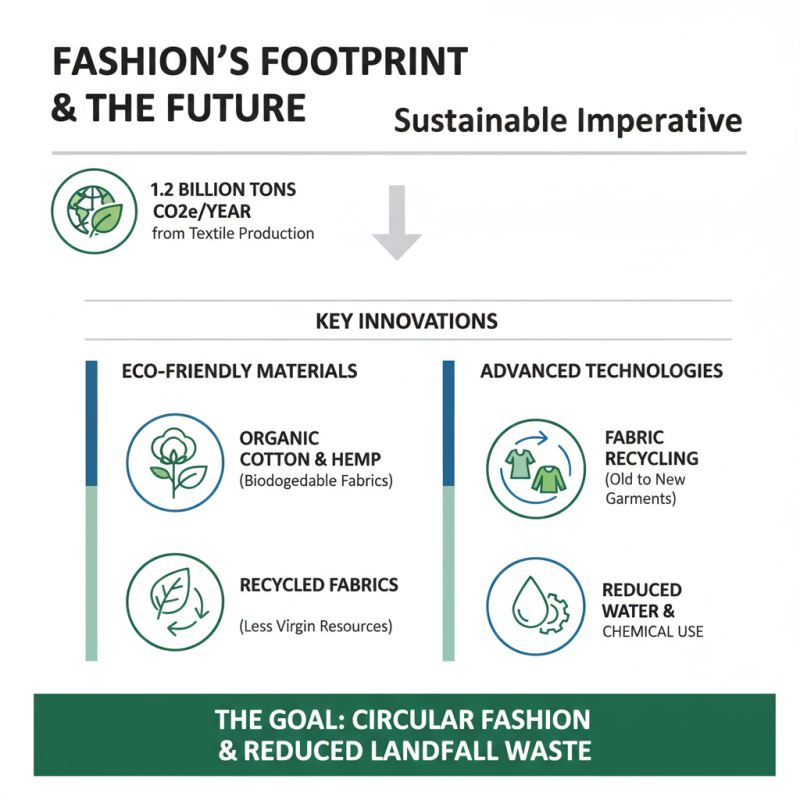
Achieving sustainability in the fashion industry is crucial, especially given that textile production is responsible for 1.2 billion tons of greenhouse gas emissions annually. Innovative materials and technologies play a vital role in this transition. For instance, biodegradable fabrics made from organic cotton or hemp can significantly reduce landfill waste. Furthermore, advancements in fabric recycling technologies help transform old textiles into new garments, minimizing the need for virgin materials.
**Tips:** Consider using natural dyes. They are less harmful to the environment than synthetic options. Research shows that natural dyes reduce water pollution by up to 80%.
Emerging technologies also include 3D printing, which allows for on-demand production. This reduces overproduction and textile waste. Reports indicate that this method can decrease material waste by up to 90%. Yet, there's still room for improvement. Not all sectors have adapted rapidly to these innovations.
**Tips:** Embrace circular fashion. Encourage consumers to recycle old clothes instead of throwing them away. This practice supports a more sustainable model within the industry. The future of eco-friendly fashion hinges on the creative use of technology. It's not just about style; it’s about responsibility.
Strategies for Reducing Waste in Textile Manufacturing
The fashion industry faces a significant waste problem in textile manufacturing. A staggering amount of fabric ends up in landfills, creating environmental challenges. To combat this, brands must rethink their production processes.
Using technology can help. Digital tools enable better inventory management and enhance cutting techniques. This can minimize leftover materials.
Another strategy is to prioritize sustainable materials. Organic cotton or recycled fabrics can replace conventional ones. While these materials may cost more upfront, they benefit the planet.
However, many brands still lack awareness of their environmental impacts. There’s a disconnect between production choices and sustainability goals. This must be addressed.
Collaboration within the industry is crucial. Designers, manufacturers, and retailers need to work together to develop innovative solutions. Sharing resources and knowledge can lead to significant waste reduction.
Yet, the challenge remains. Many in the industry are complacent about the changes necessary for a sustainable future. Reflecting on these issues is vital if we want real progress.
The Role of Consumer Awareness in Promoting Sustainable Fashion
Consumer awareness plays a vital role in promoting sustainable fashion. When people understand the impact of their choices, they are more likely to make informed decisions. Many customers remain unaware of how fast fashion contributes to environmental harm. This ignorance perpetuates a cycle of overconsumption and waste.
Engaging consumers is crucial. Educational campaigns can fill the gaps in knowledge. Workshops and social media can spread information about textile sustainability. However, these efforts need improvement. Many consumers still prioritize low prices over ethical considerations. This mindset makes it challenging to shift towards sustainable practices.
Creating a movement requires collective effort. Influencers and enthusiasts could drive awareness, but their messages should resonate deeply. Every individual can contribute. Simple actions, like choosing thrift shops or eco-friendly fabrics, make a difference. Yet, many still find these options inconvenient or impractical. The journey toward sustainable fashion is ongoing, and there’s much to reflect on.
Consumer Awareness in Sustainable Fashion